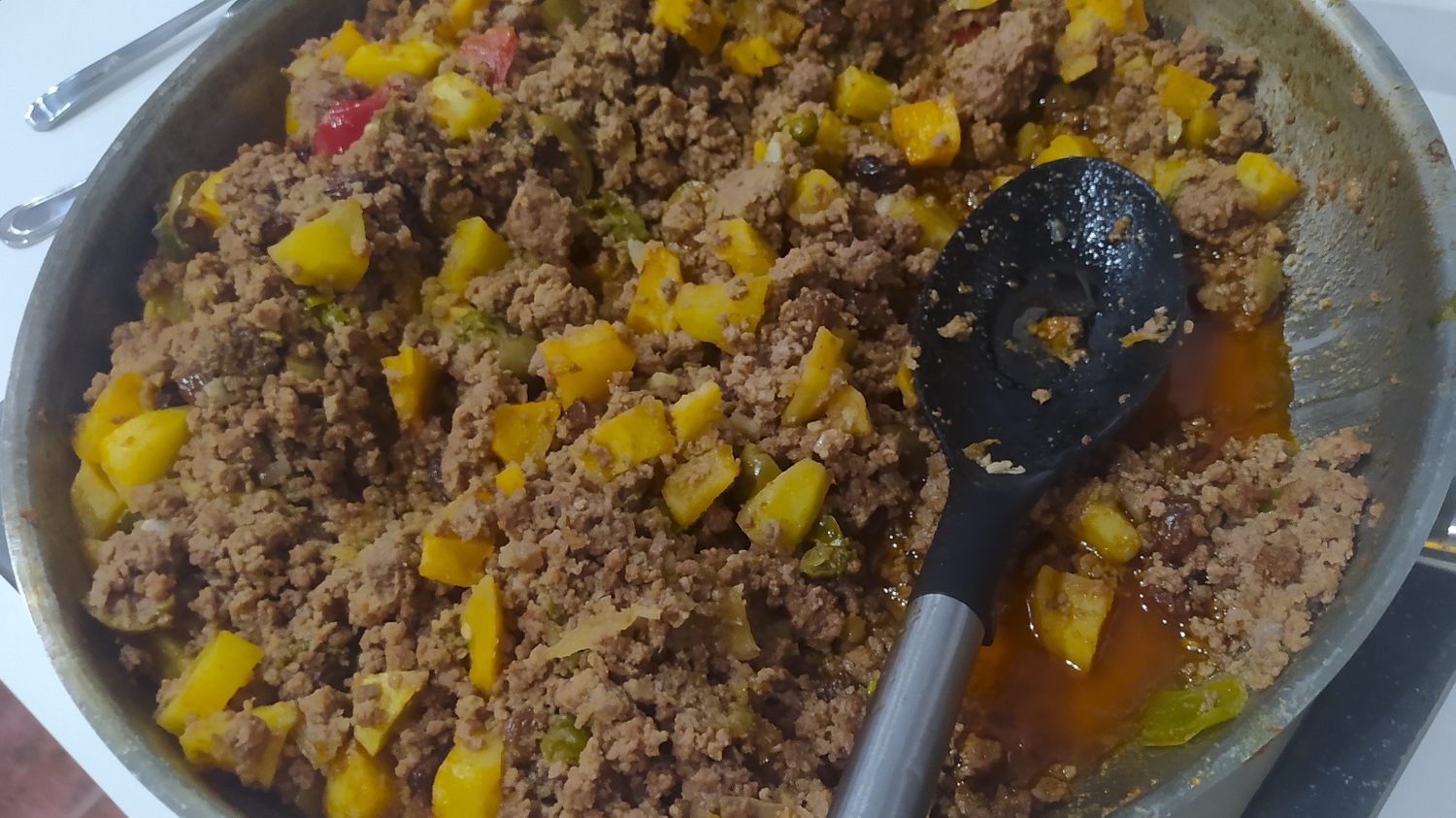
Cuban picadillo is ground beef simmered with a sofrito of onion, pepper and garlic, tomato sauce, dry white wine, Spanish olives and their brine, and diced potato. Cumin, oregano and bay season it. Raisins go in some houses and not others. It is served over white rice.
What makes this picadillo Cuban and not Mexican or Belizean
The word picadillo does not name one dish. The Real Academia Española defines it as a category: “cada uno de los distintos platos compuestos por diversos ingredientes muy troceados,” each of the various dishes made of finely chopped ingredients (source). So it comes from picado, chopped, with the diminutive added on. That single fact explains why three cooks in three countries can each hand you a plate called picadillo. So they can mean three different dinners.
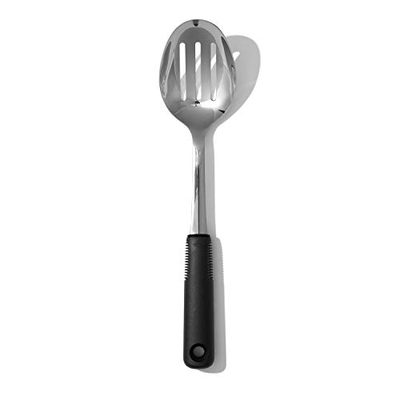
Step 3 depends on lifting the browned beef out and leaving the rendered fat behind, because that fat is what the sofrito cooks in. A slotted spoon does it in one motion where a solid spoon carries the fat back out with the meat.
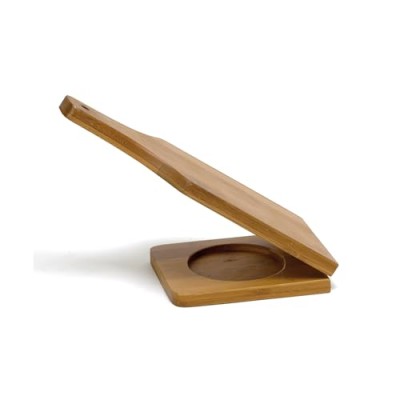
IMUSA Bamboo Tostonera Plantain Press, Large
The classic bamboo press for even, restaurant-flat tostones on the second fry.
The Cuban version is ground beef, browned hard, built on a sofrito of onion, bell pepper and garlic. Tomato sauce carries it. Cumin, oregano and bay season it. Then dry white wine goes in before it simmers. Still, what sets it apart from every other picadillo is what rides along with the beef. Olives and their brine, diced potato, and raisins in some houses. The same base sits under ropa vieja, where the beef is shredded instead of ground.
Wikipedia’s entry on picadillo describes the Cuban version this way. It also adds that the dish is usually sautéed in olive oil and white wine. Raisins are traditional, but the entry notes they are often left out to taste (source). In fact, of the four cooks I read closely for this post, all four use olives. Similarly, all four use potato. Half use raisins.
The cattle behind that beef didn’t start in Cuba either. The Library of Congress traces cattle ranching on the large Spanish Caribbean islands to Spanish colonization. It began with Hispaniola, then moved to Cuba, Puerto Rico and Jamaica (source). Still, that is as far back as the record for the cattle goes, not for the dish. Picadillo itself has no documented origin story behind it. Anything more specific than the cattle record is guesswork, and I won’t sell you guesswork as history.
Mexican picadillo is a different plate. It’s ground beef with carrots and potato in a blended tomato sauce, seasoned mostly with salt, pepper and cumin (source). Instead, it goes to the table with tortillas, tostadas or tortilla chips, not rice. No olives. No capers. No wine. That’s the honest line between the two. Still, one isn’t fancier than the other.
And then there’s the one already on this site. Belizean picadillo is a different dinner that happens to share the word: pork meatballs in a black recado broth. Each one is built around a boiled egg yolk. Then it simmers until the broth turns black with chilmole and is scented with epazote, served with corn tortillas. It’s a soup, not a skillet dish. Da true. If you came here looking for that, you want the other post. Instead, this one is ground beef in a pan.
It’s a soup, not a skillet dish.
One thing this dish is not is uniquely Cuban: the sofrito underneath it. NydiasMiamiKitchen says it plainly in her own video. “Sofrito by the way is the base of most of our Cuban Puerto Rican and any Spanish dish” (source). What makes this plate Cuban isn’t the onion, pepper and garlic underneath it. Instead, it’s what gets folded in around that base: the olives and their brine, the wine, the potato. It’s also built differently than the sofrito on this site’s Puerto Rican posts. That one is a blended sofrito kept in the freezer, made ahead of time. This one gets built fresh in the pan while the beef waits on a plate.
Some Cuban cooks give their version a specific name. Cocina Con Fujita titles hers Picadillo a la Criolla in her own video (source). That’s a Cuban name for a Cuban plate, not a claim about where the dish began.

The plate Cuban cooks build around picadillo
Three of the four cooks I watched building this dish plate it almost the same way. Anitas Delights puts white rice, black beans, avocado and picadillo on the plate together in her own video (source). Cooking Con Jose has black beans going in the same cooking session. He calls the dish: “a staple of every Cuban household, the typical dish that we eat everywhere that we can only get right at home and we can never find good anywhere else” (source). That’s how the dish sits in his own kitchen. It isn’t a survey of every Cuban table, but it does tell you what kind of dinner this is.
The potato doesn’t have one right place either. Cooking Con Jose fries his and sets the pieces on top of the finished picadillo. Anitas Delights boils hers and folds them into the pot. Both are normal. Pick whichever matches how much time you have that evening.
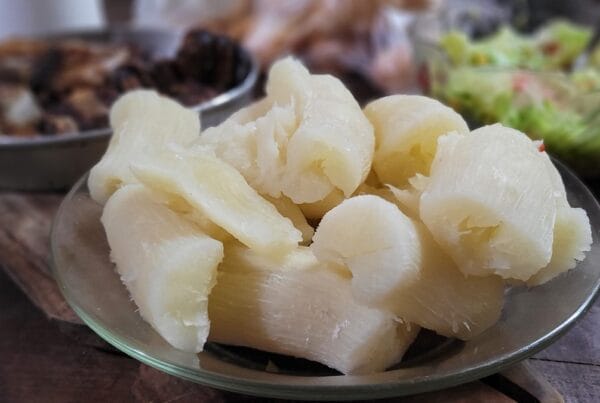
Plantains show up too, though not always the same way. Anitas Delights names both maduros, sweet fried plantains, and tostones as sides for her plate. Cooking Con Jose wanted sweet plantains that day. He couldn’t find them at the store, so he used extra potato instead.
What it reminds me of isn’t any one Belizean or Mexican dish exactly. It’s the shape of the meal. Rice sits under a saucy meat, beans beside it, something fried on the plate for texture. Still, that structure is familiar to me from Mexican and Central American cooking. The specific flavors under the sauce, the olives and the wine, are not.
The specific flavors under the sauce, the olives and the wine, are not.

Ingredients
Yield: 6 servings.
Beef and aromatics
- 1 1/2 lb (680 g) ground beef, 85/15
- 2 tablespoons (30 ml) olive oil
- 1 large yellow onion, diced, about 1 1/2 cups (200 g)
- 1 large red or green bell pepper, diced, about 1 cup (150 g)
- 6 garlic cloves, minced, about 2 tablespoons (18 g)
Seasoning
- 1 teaspoon (2 g) ground cumin
- 1 teaspoon (1 g) dried oregano
- 1/2 teaspoon (1 g) sweet paprika
- 2 bay leaves (about 1 g)
- 1 packet (about 1 1/2 teaspoons / 5 g) sazón with culantro and achiote, optional
- 1 1/2 teaspoons (9 g) salt, added in stages, see the under-salting note below
- 1/2 teaspoon (1 g) freshly ground black pepper
The pot
- 1/2 cup (120 ml) dry white wine
- 1 can (8 oz / 227 g) tomato sauce
- 1/2 cup (120 ml) water or chicken broth
- 1 lb (450 g) potatoes, peeled and cut into 1/2-inch (1 cm) dice
- 1/2 cup (75 g) pimiento-stuffed Spanish olives, plus 1 tablespoon (15 ml) of their brine
- 1 tablespoon (9 g) capers, drained, optional
- 1/3 cup (50 g) raisins, optional, see the raisin note below
- 2 tablespoons (5 g) fresh cilantro or parsley, torn, to finish
A few notes before you start. Anitas Delights names vino seco as the traditional Cuban cooking wine in her own video, though she keeps a dry white on hand for cooking instead (source). Still, a dry white you already have works just as well. Some houses use red instead, so take whichever open bottle is in your kitchen.
The olives are not optional. All four cooks I read for this post use them. The tablespoon of their brine is the part most recipes skip, and it shouldn’t be. Can’t find pimiento-stuffed Spanish olives? Plain green olives with a few chopped jarred pimientos stirred in get you close.
Raisins split the room, and both sides hold their ground. Anitas Delights leaves them out. She says on camera, “i know some households like to add raisins” (source). That’s the right way to hear it: a household choice, not a correction.
Write down “sazón with culantro and achiote” at the store. That’s the packet you’re looking for, whatever brand happens to be on the shelf. No sazón on hand? A pinch of ground annatto or a little extra paprika gets close, though the color comes out lighter.
Instructions
- Season the ground beef lightly with salt. Heat the olive oil in a wide skillet over medium heat. Add the beef, breaking it apart with your spoon as it goes in.
- Let it brown without stirring too much, about 5 minutes. Then keep breaking it up and cooking it about 10 minutes more. You want real color on the meat, not the grey, steamed look that comes from stirring too soon.
- Lift the beef out with a slotted spoon onto a plate. Then leave the fat and the browned bits behind in the pan, pouring off any fat past about 2 tablespoons. Anitas Delights leaves those bits alone for a reason. “all these brown bits are gonna be incredible flavor,” she says (source). She’s right, so don’t scrub them out before the next step.
- Cook the onion and bell pepper in that fat over medium heat until tender, about 5 to 6 minutes. Scrape the browned bits loose as you go. Add the garlic once the onion and pepper have softened, not before, so it doesn’t burn. Cook it 1 minute more.
- Return the beef to the pan. Add the cumin, oregano, paprika, the sazón if you’re using it, the black pepper, and a little of the salt. Go light on the salt here, because the olives and their brine bring more of it later. Anitas Delights explains her own rule for this. “i always tend to under season because if you have too much salt at the beginning then it’s hard to take it out,” she says.
- Pour in the wine and scrape the bottom of the pan clean. Let it cook down for about 1 minute.
- Add the tomato sauce, the water or broth, and the bay leaves. Cover the pan and simmer over low heat for 20 minutes.
- While it simmers, boil the diced potatoes in salted water until just fork-tender, about 10 minutes, then drain them.
- Fold in the drained potatoes, the olives and their brine, and the capers if you’re using them. Add the raisins too, if you’re using them. Fold gently so the potatoes stay in pieces instead of breaking apart.
- Simmer uncovered for 5 minutes more, then taste and correct the salt. Pull out the bay leaves, tear the cilantro or parsley over the top, and serve it over white rice.
Storage and Make-Ahead
This keeps for 4 days in the refrigerator in a covered container. It’s better on day two, once the olive brine and the wine have had time to settle into the meat. Reheat it gently in a pan with a splash of water so it doesn’t dry out.
It freezes for 3 months, but leave the potato out of any batch you’re freezing. Diced potato turns grainy once it thaws. Boil a fresh batch and fold it in on the day you serve it. Thaw the beef overnight in the refrigerator, not on the counter.
You can cut the sofrito vegetables a day ahead and keep them covered in the refrigerator. That alone saves real time at the stove.
Equipment
A wide, heavy skillet or sauté pan with a lid, at least 12 inches across. That size lets the beef brown in a single layer instead of steaming in a crowd.
A slotted spoon. This is what makes step 3 work. A regular spoon carries the fat back out with the meat. The sofrito loses the fat it needs to cook in.
A small saucepan for the potatoes.
A sharp knife and a cutting board. The whole dish depends on evenly cut aromatics.
Tips and Variations
- Fried potatoes instead of boiled. Cooking Con Jose and Cocina Con Fujita both fry theirs. NydiasMiamiKitchen bakes hers at 400°F and folds them in at the end. Anitas Delights boils hers. She says on camera, “you can do this with fried potatoes but i just wanted to boil them this time” (source). Pick whichever matches your stove and your patience that day.
- Build the sofrito first instead. Two of the four cooks add the raw beef straight into the sofrito rather than browning it first. That gives a softer, more stew-like result. Browning first, the way this recipe does it, gives more roasted flavor. Still, neither order is a mistake.
- Mixed meat. Cocina Con Fujita raises blending the beef with a third part ground pork, ground ham, or ground chorizo. She says she prefers a single meat herself. Treat it as her alternative, not the standard.
- Capers. Only one of the four cooks I read adds them. They push the dish further toward salty and sharp. Add them if that’s the direction you want, and skip them if it isn’t.
- Cilantro torn, not chopped. NydiasMiamiKitchen tears hers in by hand at the very end instead of chopping it. That way it stays a little rougher on the plate.
Frequently Asked Questions
What is Cuban picadillo?
Cuban picadillo is ground beef simmered with a sofrito of onion, pepper and garlic. Tomato sauce, dry white wine, and Spanish olives with their brine go in next. Diced potato goes in too, seasoned with cumin, oregano and bay. It’s served over white rice, and raisins go in some houses and not others.
What is the difference between Cuban and Mexican picadillo?
The Cuban version is ground beef with a sofrito base. It carries Spanish olives, capers in some kitchens, and dry white wine. The Mexican version is ground beef with carrots and potato in a blended tomato sauce. It’s seasoned mainly with cumin, salt and pepper. It’s eaten with tortillas, tostadas or tortilla chips rather than rice. No olives, no wine, in the Mexican version.
Is Cuban picadillo the same as Belizean picadillo?
No. Belizean picadillo is pork or turkey meatballs, each one wrapped around a whole boiled egg yolk. It simmers in a black recado broth with epazote and potato, and it’s served with corn tortillas. Cuban picadillo is ground beef browned in a pan with a sofrito, tomato sauce, olives and wine. They only share the name.
Do you put raisins in Cuban picadillo?
Some households do and some don’t, and both sides consider their version correct. If you like a little sweetness against the olives, add them. If you don’t, leave them out. The dish holds up either way.
What do you serve with Cuban picadillo?
Anitas Delights and Cooking Con Jose both serve this with white rice and black beans beside it. Fried or boiled potato is common too, sometimes piled on top of the picadillo and sometimes folded into the pot. Sweet plantains or tostones round out the plate.
Can you make Cuban picadillo without wine?
You can. Swap in a little extra broth with a small splash of vinegar. Or lean a bit harder on the olive brine. The dish reads differently without the wine, less rounded, but it isn’t ruined.
How long does Cuban picadillo keep in the fridge?
Four days, in a covered container. It’s actually better on the second day. That’s once the olive brine and the wine have had time to work into the meat.
Can you freeze Cuban picadillo?
Yes, for up to 3 months, but leave the potato out of anything you’re freezing. Diced potato turns grainy once it thaws. Boil a fresh batch and fold it in on the day you serve it.
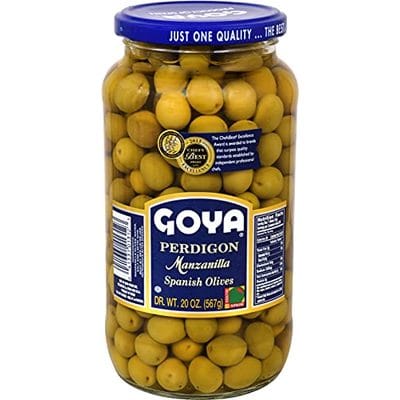
Pimiento-Stuffed Spanish Olives
Pimiento-stuffed Spanish olives and a spoonful of their brine go in near the end of the simmer. The brine is doing as much work here as the olives are.
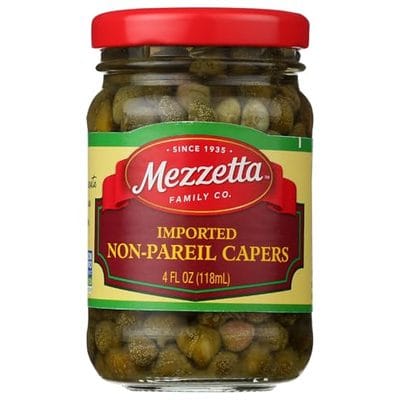
Capers are optional in picadillo, but they sharpen the sweet edge the raisins bring. Non-pareil are small enough to spread evenly through the whole pan.