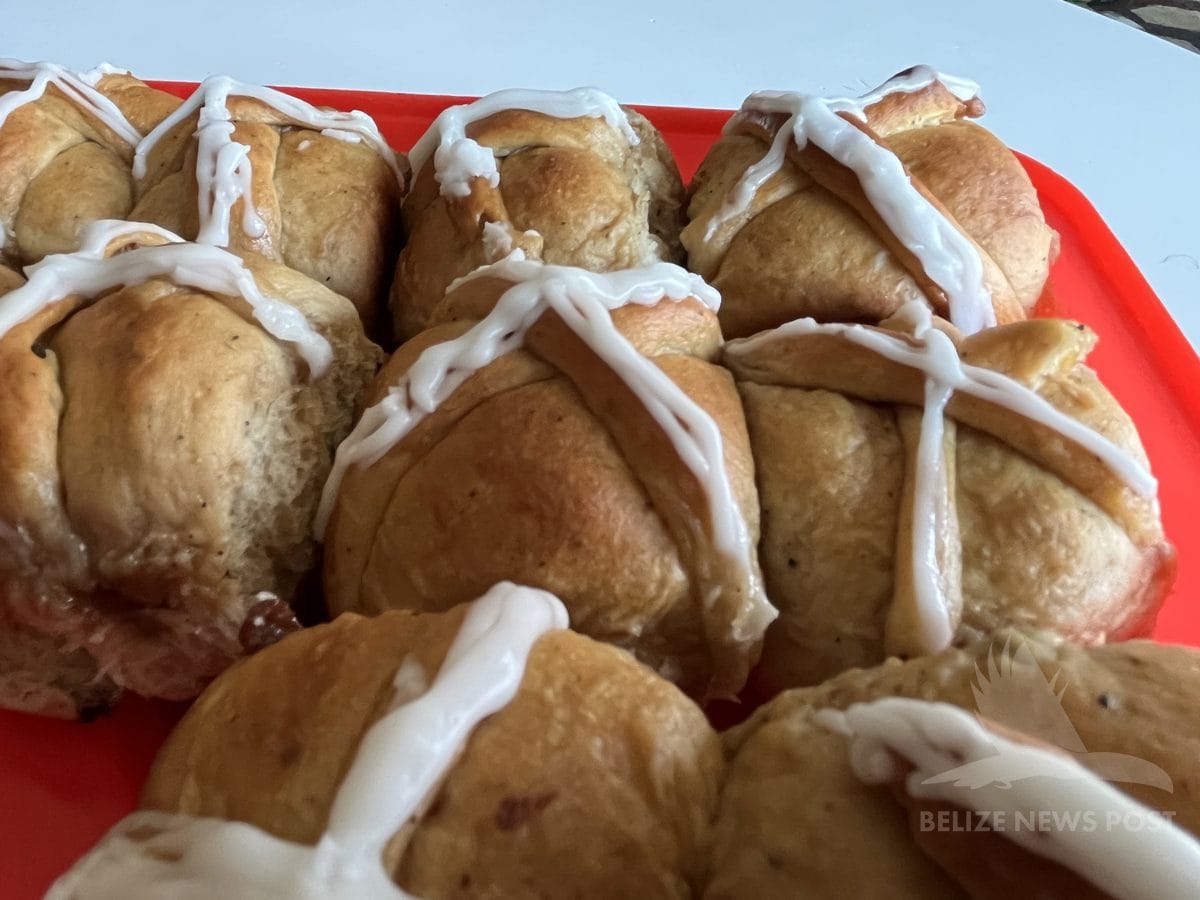
Easter in Belize is a time of reflection, tradition, and celebration. As a predominantly Christian country, Belize observes Easter with religious reverence while also embracing cultural festivities and leisure activities. From solemn Good Friday observances to the thrilling Cross Country Cycling Classic on Holy Saturday, Belizeans make the most of this extended holiday.
Easter in Belize is a four-day national holiday (Holy Thursday through Easter Monday) anchored in Catholic tradition, Creole and Garifuna food customs, and the Holy Saturday Cross Country Cycling Classic, a long-distance race running since 1928. Good Friday is observed quietly: businesses close, meat is avoided, and fish dominates the table. Easter Sunday is the feast day, when rice and beans in coconut milk, baked ham, stewed chicken, and Belizean buns all appear together. All week, Belizean families bake: hot cross buns for Good Friday, coconut-raisin buns for the full Easter stretch, and sweets like coconut fudge and cassava pone for the table.
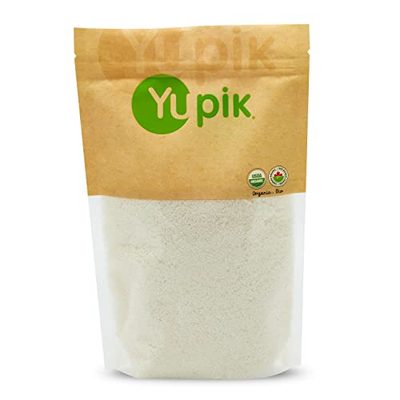
Shredded dried coconut for desserts and baking; the moisture has been removed to extend shelf life and reduce clumping.
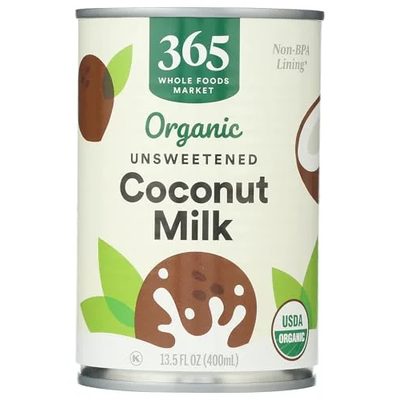
Full-fat coconut milk with nothing added - the choice for recipes where fat carries flavor and texture matters, from soups to baking.
Easter Traditions in Belize
Easter is one of the most significant holidays in Belize. The celebrations blend Catholic traditions with the country’s unique cultural influences. Many families attend church services, while others take advantage of the long weekend to relax and travel. The holiday is marked by various traditions, including processions, beach outings, and sporting events.
What Easter Is Like in Belize
Easter in Belize is a national event with both religious and cultural significance. Schools and government offices close for the extended Easter weekend, and businesses operate at reduced hours. The holiday is a mix of solemn church services, family gatherings, and outdoor adventures, as many Belizeans flock to the cayes, rivers, and beaches to enjoy the warm weather. In areas that are not heavily visited by tourists expect businesses to be closed. Easter is a great time to be in Caye Caulker as it is quieter than normal and the island is visited by more locals than any other time of year.
Good Friday Is Very Slow in Belize
Good Friday is one of the most sacred days in Belize. Out of respect for religious observances, Belizean law used to prohibit alcohol sales (until 2022), and many businesses shut down for the day. In 2023, the San Pedro Mayor banned alcohol sales except for at restaurants. Streets are noticeably quiet, and most Belizeans attend church services or spend time at home with family. Many people refrain from consuming meat and instead opt for traditional fish dishes.
Holy Saturday Is Cross Country Cycling
One of the biggest sporting events in Belize, the Holy Saturday Cross Country Cycling Classic, takes place annually on Easter weekend. This long-distance race, dating back to 1928, attracts top local and international cyclists who compete in a grueling ride from Belize City to San Ignacio and back. The race is a major highlight of the Easter celebrations, drawing large crowds and nationwide excitement.
Easter Sunday in Belize
Easter Sunday is when the fast breaks. The fish and restraint of Good Friday give way to the full Sunday table: rice and beans cooked in coconut milk, stewed chicken dark with recado, every side dish that fits. Families who spent Good Friday at church and at home are visiting relatives now, loading plates, and passing around buns.
Buns are not just Good Friday food. They are Easter week food. Belizean families bake them by the dozens and eat them from Thursday through Monday, morning to night. Buying a bag of buns is how you show up to someone’s house during Easter week. The smell of spiced dough — cinnamon, nutmeg, cloves, allspice — is what Easter smells like in Belize.
Easter Sunday Mass runs long in Belize City, Orange Walk, and San Ignacio. The San Pedro Roman Catholic Church fills beyond capacity. After church, the cayes settle into afternoon mode: hammocks, cold Belikins, the reef close enough to wade to. Caye Caulker stays quiet in the good way. More Belizean than tourist on Easter Sunday, which is the best version of Caye Caulker there is.
Easter Monday in Belize
Easter Monday is the exhale. Most of Belize is still officially closed, and most Belizeans are at the beach, the river, or a relative’s backyard. Horse racing draws crowds to the Belize Racing Association grounds: a distinctly local Easter tradition that rarely appears on travel itineraries but is worth knowing about if you want to see Belize on its own terms.
By late afternoon, private businesses begin coming back online. Government stays closed. Schools reopen Tuesday. What remains is the smell of buns in every kitchen, a few relatives still at the table, and the quiet understanding that this was one of the best weeks of the Belizean year.
For visitors, Easter Monday is the most authentic day of the four. The organized tours have wound down. What is left is Belizeans in their own country, doing exactly what they want.
Spring Break in Belize
Easter coincides with spring break for many students, making it a popular time for travel and leisure. Coastal destinations like San Pedro, Placencia, and Caye Caulker see an influx of visitors, both local and international. The beaches come alive with music, festivities, and water sports, offering a vibrant contrast to the quieter religious traditions observed inland.

What Do Belizeans Eat for Easter?
Easter meals in Belize follow the rhythm of the week. Good Friday means fish: no meat, no exceptions for most families, and the reef delivers. Easter Sunday means the feast table returns in full. All week long, buns are on the counter. Ham, hot cross buns, fried snapper, conch, sere, rice and beans in coconut milk: these are the foods that define Belizean Easter from Thursday through Monday.
Belizean Holiday Ham
Ham is Easter food in Belize the same way it is Christmas food. A whole ham, baked and glazed, appears on the Easter Sunday table alongside rice and beans and stewed chicken. The Belizean version is straightforward: brown sugar glaze, long oven time, skin crisped where the fat has rendered. It is not a carved centerpiece ham. It is a practical ham that feeds a crowd, sliced directly onto plates or folded into bread through the rest of the week.
Belizeans who grew up eating Easter ham remember it as the smell that meant the fast was over. The fish comes off the table. The ham goes on. Easter Sunday begins. See our Belizean Holiday Ham recipe.
Hot Cross Buns
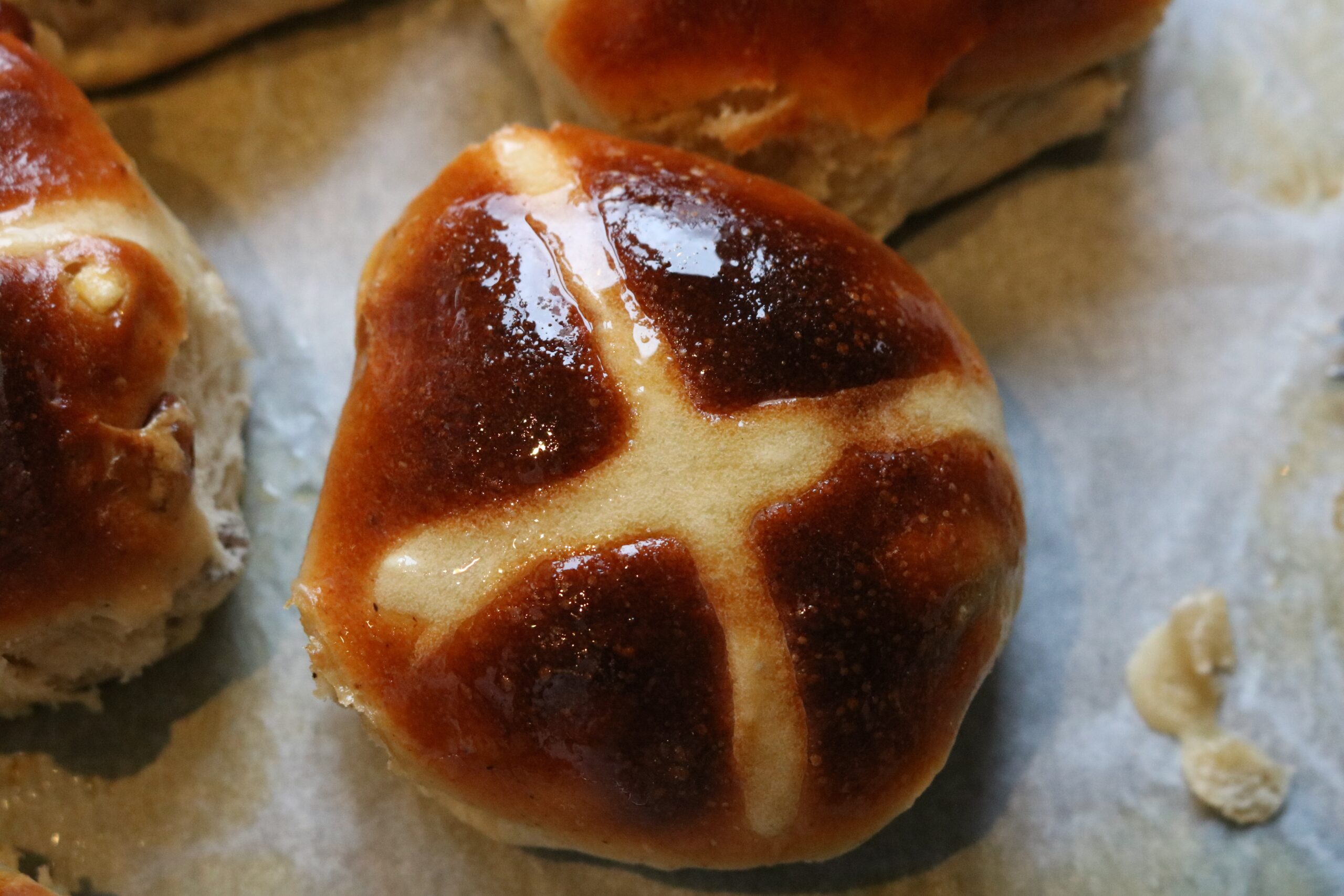
Hot cross buns are specifically Good Friday food in Belize. The spiced, raisin-studded rolls marked with a flour-paste cross arrived with British colonization and took root in Creole and Garifuna communities. The cross is religious: the crucifixion, Good Friday, the meaning of the fast. Belizean hot cross buns use cinnamon, nutmeg, and allspice. They are softer than their English counterparts and glazed after baking.
Local bakeries stock them the week before Easter. Buying a bag from a Belize City or Dangriga bakery on Good Friday morning is a tradition as old as the buns themselves. Making them at home takes most of the morning, and the smell is the point. See our Belizean Hot Cross Buns recipe.
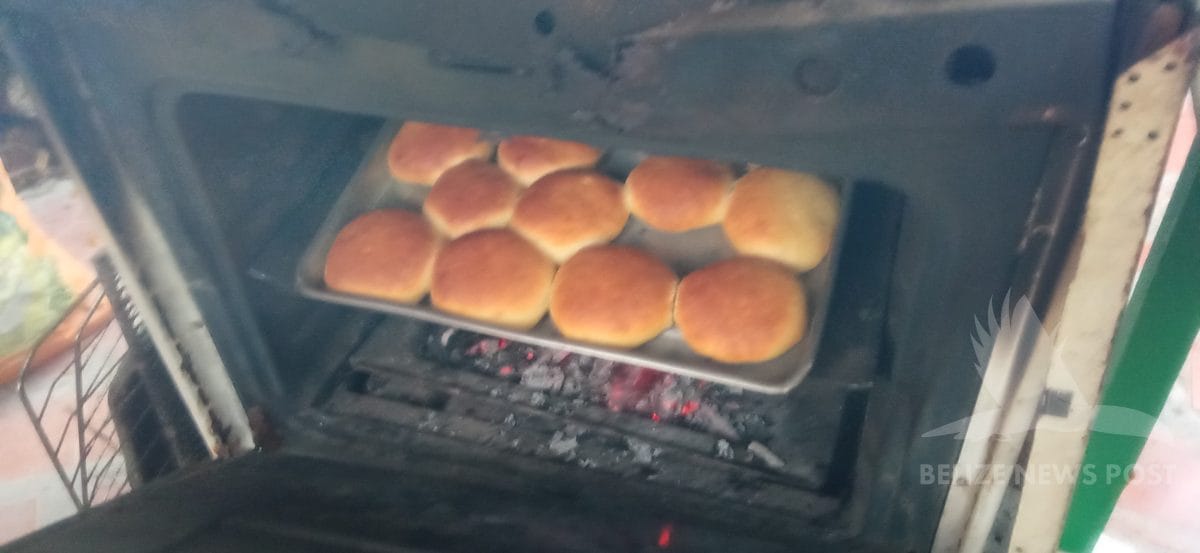
Belizean Buns (Creole Coconut Buns)
Belizean buns are different from hot cross buns in every way that matters. Larger, denser, and built for the week rather than the day. No cross, no ceremony. The defining flavors are coconut milk and raisins soaked in rum or hot water, spiced with cinnamon, nutmeg, cloves, and allspice. These are the buns Belizeans eat all week, not just on Good Friday.
The classic recipe uses active dry yeast and Blue Bonnet margarine, a Belizean kitchen staple that predates widespread butter availability on the mainland. Sunny and Tan’s bakery in Belize City was once the gold standard. People came back from the city carrying bags of them. The bakery changed hands and the original recipe went with it, but home bakers have kept the tradition. See our Belizean Bun recipe.
Fried Snapper and Barracuda
Good Friday abstinence turns fish into the centerpiece of the Easter table, and Belizeans take it seriously. Snapper is the first choice: whole or in steaks, seasoned with recado and garlic, fried in a heavy pan until the skin crisps. Barracuda is the alternative for those who want something that holds up to high heat and longer cook times. Both are reef fish, both are abundant in spring, and both are fundamental to the Good Friday meal across Belizean households from Corozal to Punta Gorda.
Neither needs much beyond a hot pan and good seasoning. Served alongside rice, beans, or corn tortillas, they carry the plate. See our Fried Snapper and Barracuda Steaks recipes.
Stuffed Snapper
Stuffed snapper is the Easter fish recipe for families who want something more than the fry pan. A whole snapper, cavity filled with seasoned breadcrumbs, onion, cilantro, and peppers, wrapped in foil and baked until the flesh pulls clean from the bone. The stuffing absorbs the fish juices. The foil keeps everything tender. It is a production, but not a difficult one, and it scales well for a large Easter table. See our Belizean Stuffed Red Snapper recipe.

Conch
Conch is not exclusively Easter food in Belize, but it arrives on Easter tables the way it arrives everywhere in Belizean coastal life: as fritters, as ceviche, or as soup. Conch fritters are the simplest version, ground conch folded into batter and fried. Conch ceviche is the coastal approach: raw conch cured in lime juice with habanero and onion, eaten cold straight from the bowl. Conch soup is longer and more involved, the kind of dish that cooks on the stove all Good Friday afternoon while the family is at church.
All three are available at restaurants in San Pedro and Placencia during Easter week. At home, fritters are the starting point. See our recipes: Conch Fritters, Conch Ceviche, Conch Soup.
Fish Panades
Fish panades are the Easter street food. Corn dough shaped around seasoned fish filling, folded and deep-fried, served with pickled habanero onion sauce. They are sold outside churches and at markets on Good Friday morning, hot from the oil. The corn dough is the same masa used for tortillas. The fish inside is whatever is freshest.
Making panades at home is a project: prepare the masa, cook and flake the fish, fill and seal each one, fry in batches. It takes longer than buying them from the vendor outside the church. But the result, eaten straight from paper, is worth it. See our Fish Panades recipe.
Sere
Sere is the Garifuna fish stew, and it belongs on any complete list of Belizean Easter food. A whole fish, usually snapper, simmered in seasoned coconut milk with plantain, cassava, and green banana. The coconut milk is the base and the flavor. Sere is not a quick dish. It is Easter-week cooking: unhurried, fragrant, eaten in large bowls.
Garifuna communities in Dangriga and Hopkins prepare sere throughout the year, but the combination of Good Friday fish requirements and family gatherings makes it a natural Easter week dish. The plantain and cassava in the pot turn it into a complete meal. See our Belizean Sere recipe.
The Easter Sunday Table
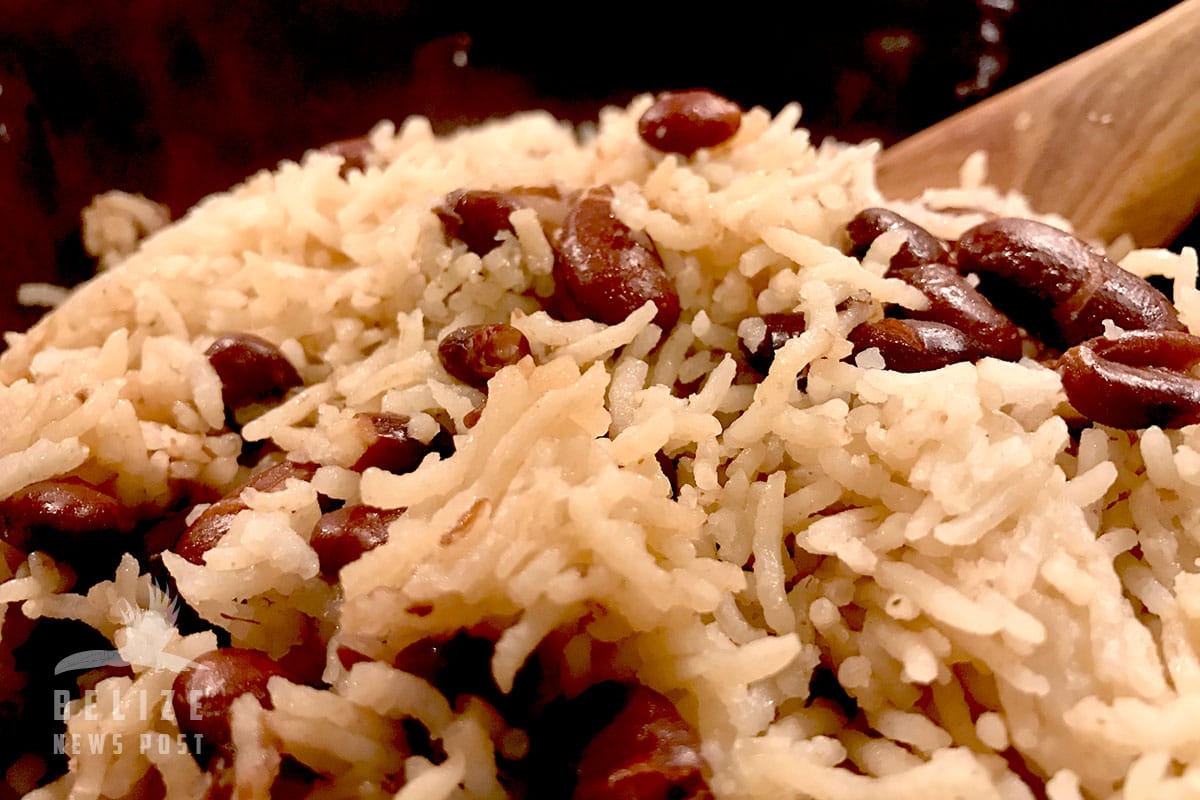
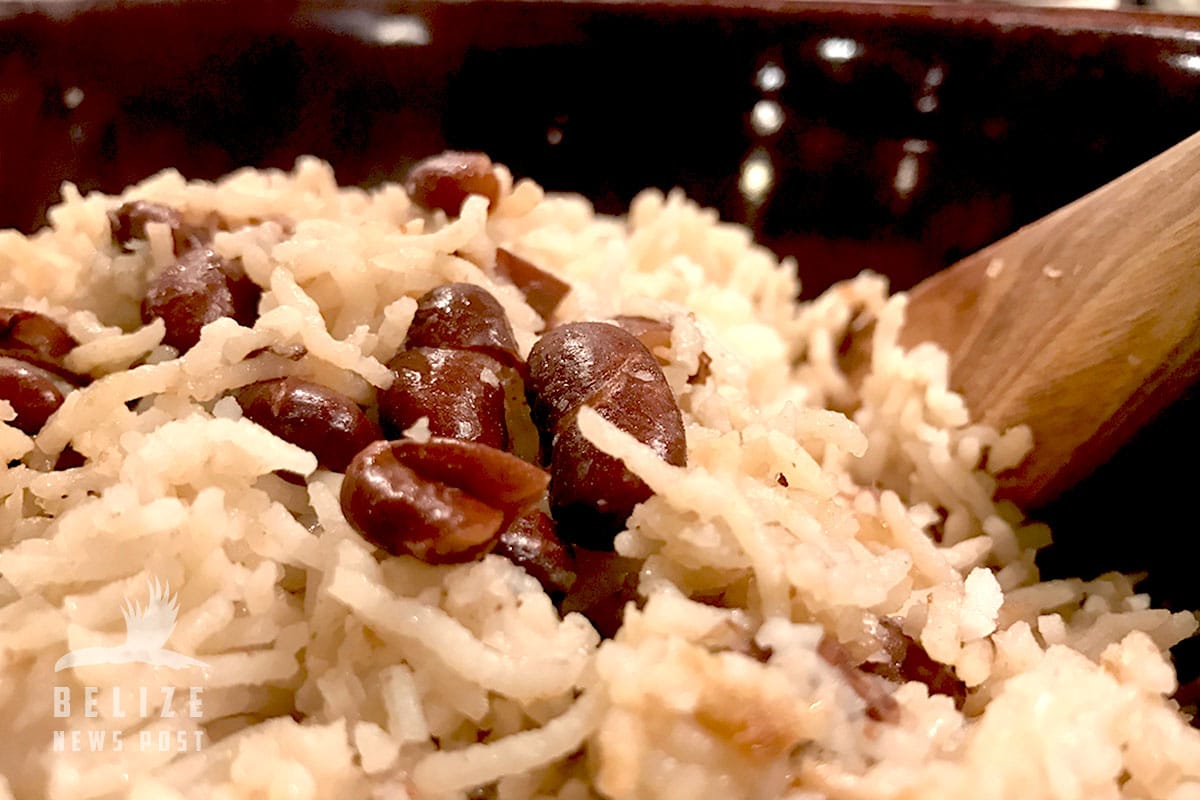
Easter Sunday is when the restrictions lift and the full Belizean table appears. Rice and beans cooked in coconut milk alongside stewed chicken dark with recado, baked ham, and whatever buns are left from the week. This is not a ceremonial meal that requires special preparation. It is a Sunday meal elevated by the fact that it follows four days of fish and quiet.
Rice and beans in Belize is specific. The beans and rice cook together, not separately. The coconut milk goes in early so the rice absorbs it as it cooks. The result is fragrant and unified, distinct from rice served alongside beans as two separate components. This is the dish Belizeans eat every Sunday of their lives, and on Easter Sunday it tastes better than usual.
What Dessert Is Belize Known For?
Belize is best known for coconut-based sweets. The most iconic Belizean Easter dessert is the bun: a spiced coconut-raisin bread eaten throughout Easter week. Belizean families bake Belizean buns and hot cross buns at home or buy them from local bakeries, and they appear on every table from Good Friday through Easter Monday.
Beyond buns, Belize is known for coconut fudge, pressed into small squares and sold at markets across the country, and coconut ideal, a dense candy made from shredded coconut and sugar that hardens at room temperature. Conkies, a banana-leaf steamed cornmeal and coconut pudding, appear at Easter and other celebrations. Cassava pone, another coconut-milk dessert, is common in Maya and Creole households year-round.
The pattern is consistent. Belizean sweets are built on coconut, made without elaborate technique, and eaten at the family table.
What Do Belizeans Avoid on Good Friday?
Good Friday in Belize is observed with great reverence. Many Belizeans avoid loud music, parties, and physical labor as a sign of respect. Traditional beliefs also warn against swimming on Good Friday, with some claiming that doing so could lead to bad luck or even drowning. That said, many Belizeans will swim on Easter Sunday.
Do They Celebrate Easter in Belize?
Yes, Easter is widely celebrated in Belize. The holiday is a mix of religious observance, cultural traditions, and leisure activities. Church services, processions, and reenactments of the Passion of Christ are common, especially in towns with strong Catholic influences. Simultaneously, Belizeans take advantage of the long weekend to relax, travel, and enjoy festive gatherings.
How Long Is Easter Break in Belize?
Easter break in Belize typically lasts from Holy Thursday to Easter Monday, giving Belizeans an extended four-day holiday. Schools and many businesses close for this period, allowing families to travel, participate in religious ceremonies, or enjoy the festivities. The extended time off for teachers and government employees makes Easter one of the biggest holidays in Belize.
What Religion Is Belize?
Belize is a predominantly Christian country, with Roman Catholicism being the largest denomination. However, Protestant denominations such as Anglican, Methodist, and Pentecostal also have a strong presence. Additionally, Belize is home to diverse religious communities, including Mennonites, Hindus, Muslims, and Baha’is, reflecting its rich multicultural heritage. In much of Belize, Easter is observed fully. Meaning, people go to mass, attend a reenactment or other Easter themed events. In San Pedro (Ambergris Caye) the local Roman Catholic church is packed with parishioners on Easter.
Belize Holidays and Celebrations
Belizeans love their holidays. The biggest holidays in Belize are The Battle of St. George’s Caye Day, Independence Day, Garifuna Settlement Day, Baron Bliss Day, Christmas and Easter. The first two fall three weeks apart in the September Celebrations, which is the biggest stretch of cooking in the Belizean year.
Plan Your Easter in Belize
Easter in Belize is a time of faith, family, and festivity. Whether observing solemn church services, enjoying traditional foods, or cheering on cyclists in the Holy Saturday race, Belizeans embrace Easter with a mix of devotion and celebration. Whether you’re visiting Belize during this season or looking to experience its traditions from afar, Easter is a truly special time in this beautiful Caribbean country.
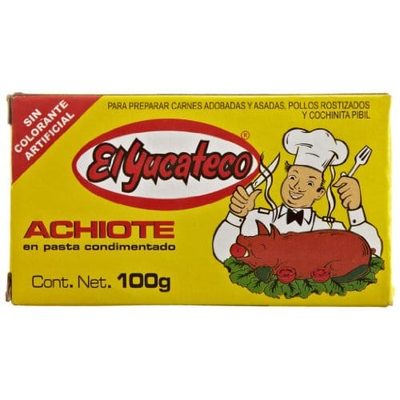
Cochinita pibil, poc chuc, and escabeche all start with red recado. A prepared achiote paste dissolves into sour orange in minutes instead of the hour it takes to grind annatto, oregano, and clove from seed.
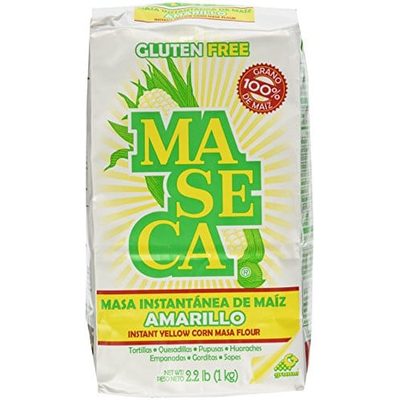
Maseca brand yellow corn masa harina, pre-ground and treated for immediate use in dough for tortillas, tamales, and other corn dough applications.