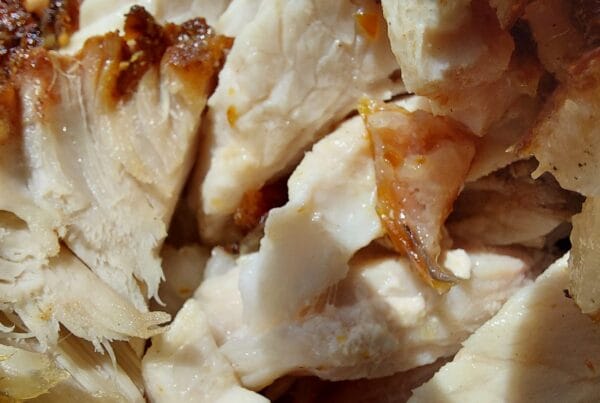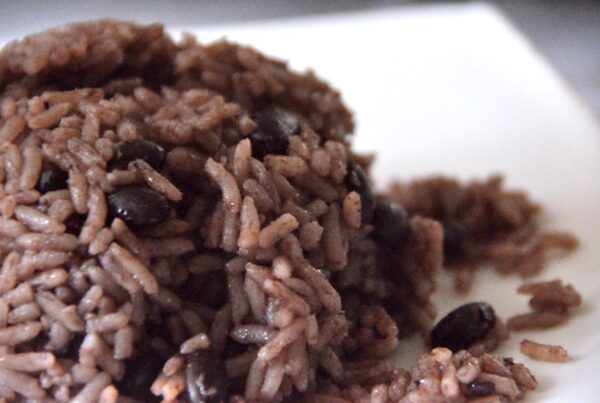
Short answer: Hilachas is a Guatemalan home stew of beef shredded into fine threads and simmered in a tomato-and-tomatillo recado built on guajillo chiles, cinnamon, and cloves, with potato, carrot, and green beans cooked in. The name means rags or threads, for the way long-simmered flank steak pulls apart into strands. It is a ladino dish — everyday comedor food, not Maya heritage — and its signature is a double process: you cook the beef until it shreds, then separately build and fry a smooth recado before combining them. That frying step is what deepens the color and rounds the flavor. The result is hearty, mildly spiced, and best served over white rice with avocado and warm tortillas.
Unlike Guatemala’s Maya stews — pepián with its seed-paste recado, jocón with its green tomatillo base — hilachas belongs to the country’s ladino kitchen: a post-colonial braise that looks, in structure, like cousins elsewhere in Central America (Cuba’s ropa vieja, Honduras’s sopa de res). What makes the Guatemalan version distinct is the tomatillo-forward sauce, the mandatory potato cooked down into the stew, and the two-step technique that produces a sauce with real depth rather than a thin simmer. It has been eaten in comedores from Guatemala City to Salamá — the Baja Verapaz town often cited as its native territory — for generations.
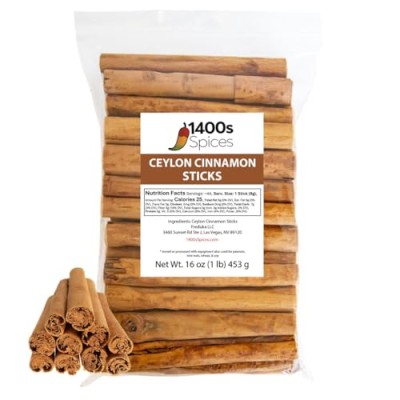
1400S Spices Ceylon Cinnamon Sticks from Sri Lanka, 1lb (Canela Entera)
Ceylon cinnamon is sweeter and milder than cassia — the right choice for atole, conkies, and sweet drinks. These are whole dried sticks from Sri Lanka.
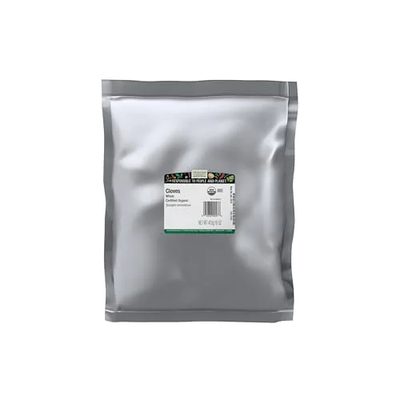
Frontier Co-op Whole Cloves, Organic, Hand Select, 16 oz
Spice pastes, dark stews and braised meats all call for whole cloves ground or simmered into the dish. Whole cloves keep their volatile oils far longer than ground.
What is hilachas?
Hilachas is a Guatemalan beef stew of shredded flank or skirt steak in a tomatillo-and-tomato recado seasoned with guajillo chiles, cinnamon, and cloves, with potatoes, carrots, and green beans simmered in. The word means threads or rags in Spanish — the shredded beef pulls into strands that absorb the sauce completely. It is the kind of food that appears on the comedor menu without explanation: everyday, filling, made the same way in kitchens across the country. Baja Verapaz, particularly Salamá, is the area most associated with its origin, though it is eaten nationwide.
The defining distinction from Guatemala’s Maya recado dishes is cultural and technical. Pepián thickens with a ground seed paste toasted on a dry comal. Jocón draws its body from blended tomatillos and green herbs. Hilachas takes neither approach: it fries a blended tomato-and-tomatillo recado in oil — darkening and concentrating it — and lets the stewed potato provide any additional body. No seeds, no comal-roasting of spices. Beef, a tomatillo recado, and a potato that almost dissolves into the broth. That is hilachas.
Ingredients
- 2 lb flank or skirt steak
- 1 medium onion, 1 bay leaf, and salt — for the initial boil
- 6 Roma tomatoes
- 3 tomatillos, husked and rinsed
- 2 to 3 dried guajillo or guaque chiles, stemmed and seeded
- 4 cloves garlic
- ½ onion (for the recado)
- 1 small stick cinnamon
- 3 whole cloves
- 2 tablespoons oil
- 2 medium potatoes, peeled and diced
- 2 carrots, peeled and diced
- 1 cup green beans, trimmed and cut into pieces
- Optional: 1 chayote (güisquil), peeled and diced
- Salt and black pepper
How to make hilachas
- Cook the beef. Place the flank steak in a pot with the whole onion, bay leaf, and enough water to cover by a couple of inches. Bring to a boil, skim any foam, then reduce to a low simmer and cook until the beef is very tender and pulls apart easily — about 1 hour 30 minutes to 2 hours. Remove the beef, let it cool enough to handle, and shred it into threads with two forks. Reserve the broth.
- Build the recado. In a saucepan, combine the tomatoes, tomatillos, guajillo or guaque chiles, garlic, onion half, cinnamon stick, and cloves with enough water to cover. Bring to a boil and cook until the tomatoes are soft and the chiles are pliable, about 10 to 12 minutes.
- Blend and strain. Remove the cinnamon stick. Puree the cooked vegetables and chiles with ½ cup of reserved beef broth until completely smooth. Pass through a medium-mesh strainer for a cleaner sauce.
- Fry the recado. Heat the oil in a wide pot over medium-high heat. Pour in the strained puree — it will spatter, so stand back. Cook, stirring frequently, until the sauce darkens in color and thickens enough to pull away from the bottom, about 8 to 10 minutes. This step is not optional: frying the recado in fat develops the flavor and deepens the color from bright red to a deeper brick-red.
- Add the beef and simmer. Stir the shredded beef into the fried recado. Add enough reserved broth to create a stew consistency — usually 2 to 3 cups. Season with salt and black pepper. Simmer on low heat for 10 minutes.
- Cook the vegetables. Add the diced potato, carrot, and green beans (and chayote if using). Simmer until all the vegetables are tender and the potato has begun to break down slightly and thicken the stew, about 20 minutes. Adjust salt. Serve over white rice with sliced avocado and warm corn tortillas.
Tips
- Use a shredding cut. Flank or skirt steak pulls into clean threads once it is cooked low and slow. Chuck roast also works and is more forgiving if you go longer. The beef needs to be genuinely tender — not just cooked through — before you shred it.
- Do not skip frying the recado. The frying step transforms the puree from a raw blended sauce into something with roasted depth. The color shift from bright red to dark brick is the visual cue that it is done. Skip this and the stew tastes flat.
- Use the beef broth, not water. The broth from the initial beef simmer carries flavor. Use it to thin the recado and build the stew liquid. Water is a waste of what you already have.
- Let the potato work. Potato is not optional in hilachas — it is a canonical ingredient. As it cooks down, it contributes starch that thickens the stew naturally. If the stew looks thin at the end, give the potato another 5 minutes before adjusting with additional broth.
More Guatemalan table: pepián de pollo (the K’iche’ Maya seed-paste stew), jocón (green tomatillo stew), and the Guatemalan food guide. The wider corridor is in the Maya World guide.
Frequently asked questions
What is hilachas?
A Guatemalan beef stew of shredded flank steak simmered in a tomato-and-tomatillo recado seasoned with guajillo chiles, cinnamon, and cloves, with potatoes, carrots, and green beans cooked in. It is everyday ladino home cooking and comedor food, not a Maya dish.
What does the name hilachas mean?
Threads or rags in Spanish — a description of how the beef shreds into fine strands after the long simmer.
What cut of beef should I use?
Flank or skirt steak. Both are lean, flavorful, and shred into clean threads once cooked low and slow. Chuck roast also works if you want more marbling.
What is in the recado for hilachas?
Roma tomatoes, tomatillos, dried guajillo or guaque chiles, garlic, onion, cinnamon, and cloves — cooked until soft, blended smooth, strained, and then fried in oil to develop depth of color and flavor.
Is hilachas a Maya dish?
No. Hilachas is a ladino and mestizo dish. Beef arrived with Spanish colonization, and the technique of braising and shredding beef is a post-colonial development. It is not related to Guatemala’s Maya-heritage dishes (pepián, jocón, kak’ik), though it uses a recado technique that is broadly shared across Guatemalan cooking.
How is hilachas different from ropa vieja?
Both are shredded beef stews in tomato-based sauces, but hilachas uses tomatillos in the recado (giving a slightly tart, green-herb undertone), includes guajillo or guaque dried chiles, and always contains potato and carrot cooked down in the stew. Ropa vieja is Cuban and uses a sweeter tomato and bell pepper base with olives. The Guatemalan version is its own dish, not a variant of ropa vieja.
How is hilachas served?
Over white rice with sliced avocado and warm corn tortillas. The shredded beef and vegetables are spooned over the rice so the sauce soaks in.
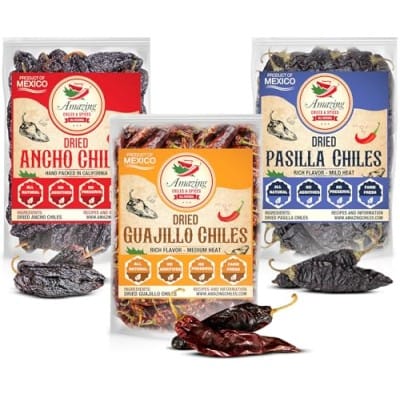
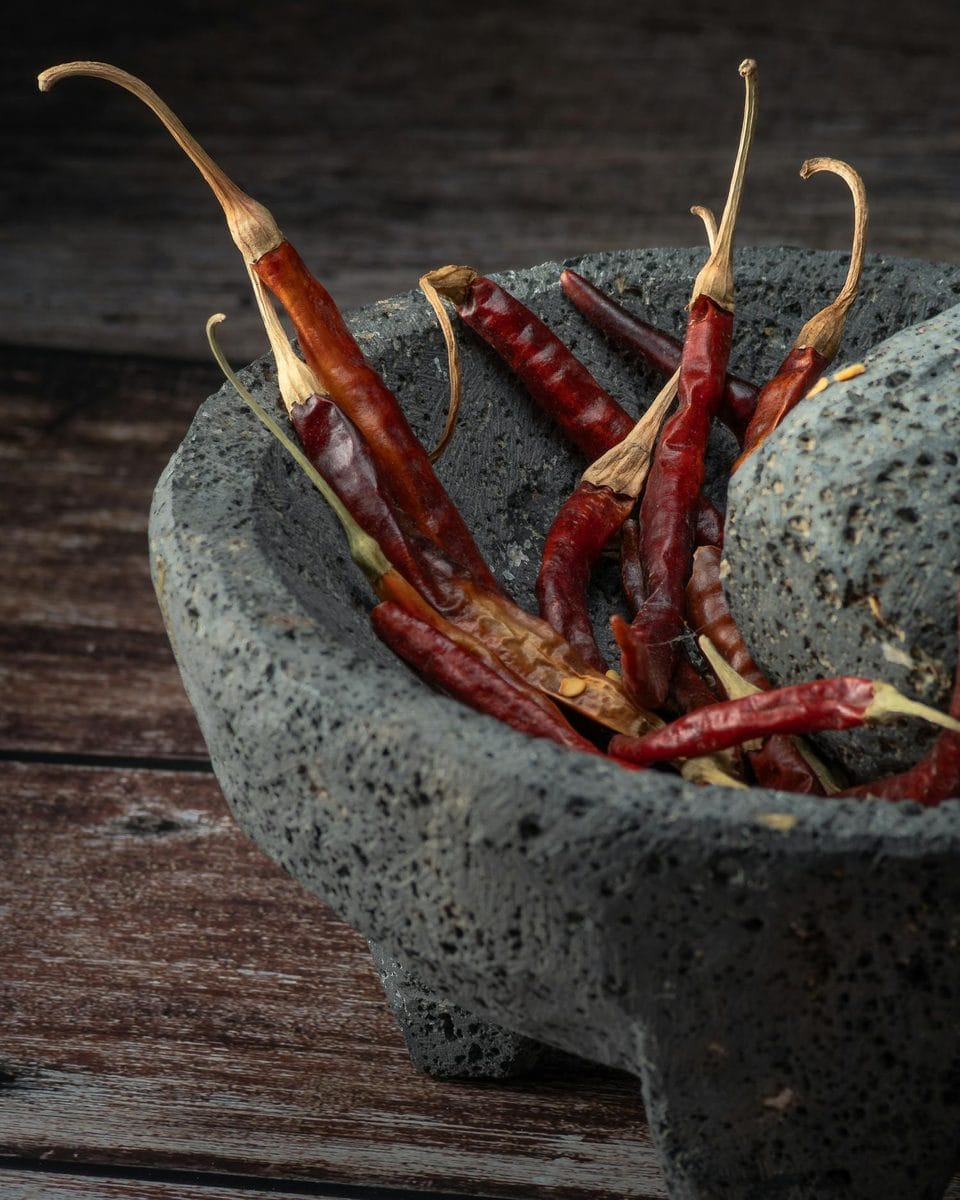
Dried Chile Peppers Variety Pack: Ancho, Guajillo, Pasilla (12 oz)
Guajillo (guaque) and pasilla (pasa) in one pack — both dried chiles kak'ik recado needs.