Short answer: Jocón is one of Guatemala’s four great Maya recados: chicken simmered in a bright green sauce of tomatillos, scallions, cilantro, epazote, and green chiles, with body from toasted pumpkin and sesame seeds ground fine and a little torn tortilla. The name comes from the K’iche’ word jok’om, meaning mashed or ground — a direct reference to that seed-grinding step at the heart of the technique. It is a dish of the western highlands, declared national Intangible Cultural Heritage of Guatemala in 2007, and it is the stew that answers the question: what does Maya green cooking taste like?
The color says it plainly before you taste it. Where pepián runs amber-red from dried chiles and achiote, jocón is fully green — tomatillos, handfuls of cilantro, a bunch of scallions, and epazote all blended into the sauce together. The toasted seeds still thicken it the old way, giving the sauce its body and a quiet nuttiness underneath all that herb-forward freshness. It is lively and slightly tart rather than smoky, and it is gently spiced rather than hot.
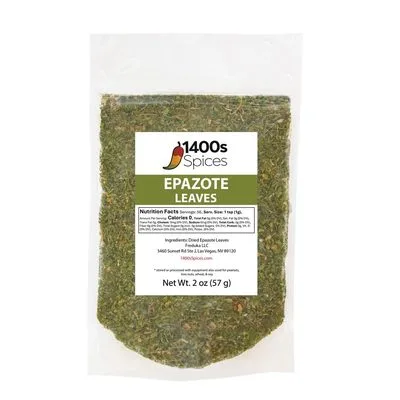
Black beans cooked without epazote taste flat and sit heavy, which is why the recipe treats it as non-optional. Dried leaf works year-round where fresh sprigs never show up in the store.
Wangla, Belize's sesame seed candy, needs raw sesame toasted fresh and bound with cane sugar. Whole hulled seed toasts evenly without the burnt edges of pre-toasted product.
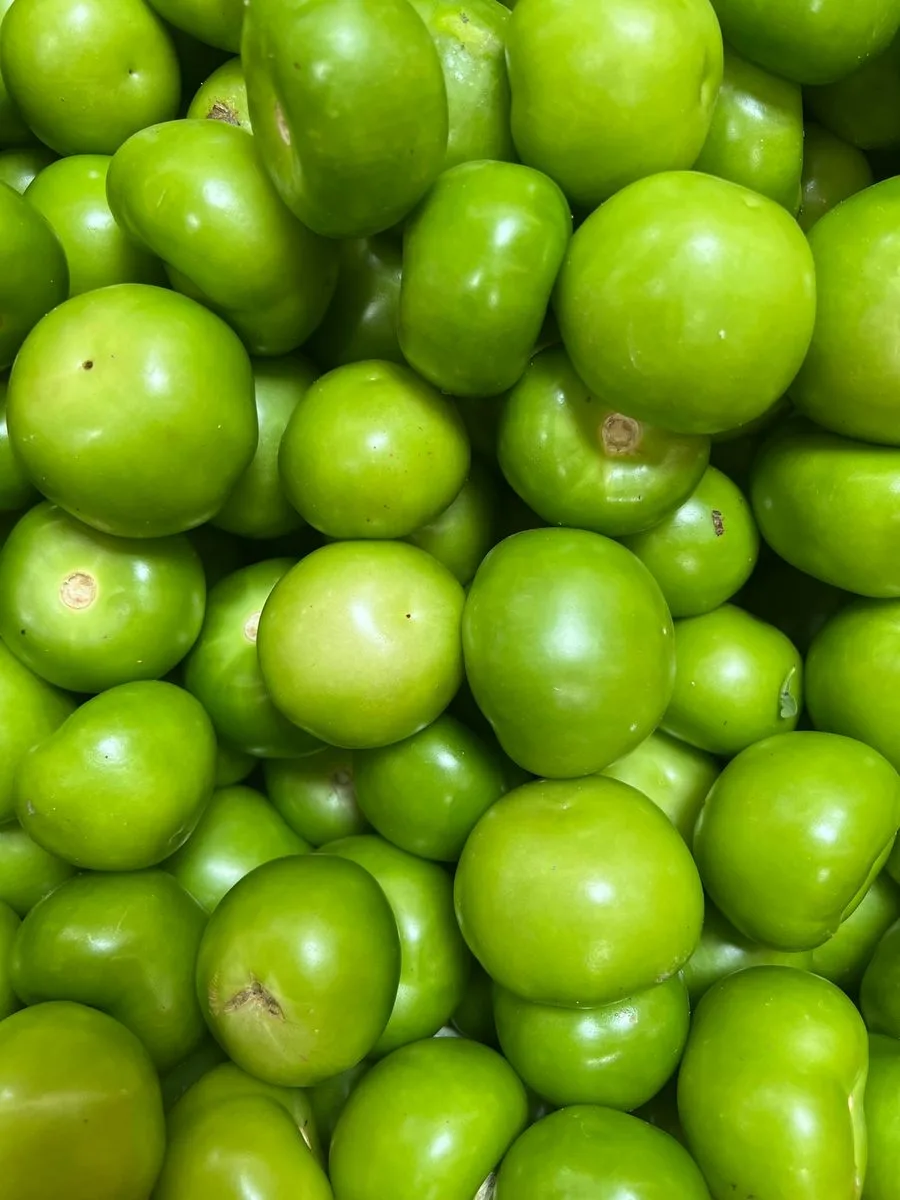
What is jocón?
Jocón, also called pollo en jocón, is a Guatemalan Maya chicken stew in a green sauce of tomatillos, cilantro, scallions, epazote, and green chiles, thickened with toasted pumpkin seeds, sesame seeds, and a little torn corn tortilla. It comes from the K’iche’ Maya western highlands — Quetzaltenango and Huehuetenango are the heartland — and it is one of the country’s four or five foundational recados. The 2007 Guatemalan national heritage declaration recognized it alongside pepián, kak’ik, and mole de plátano as dishes central to the country’s Maya culinary identity.
What makes it a recado rather than just a salsa verde is the thickening. Tomatillos and herbs give the color and the tang, but the toasted, ground seeds give the sauce its body — the same seed-grinding technique that defines pepián and the other great Guatemalan recados, and that dates to pre-Hispanic Maya kitchens. The tortilla adds starch and rounds the texture. The result is substantial enough to carry chicken through a full simmer without going thin.
The clearest way to tell jocón from its sibling recados: color and herb. Pepián is reddish-brown, built on dried chiles and achiote; jocón is green, built on tomatillo and fresh herbs. Pulique runs amber with epazote dominant and uses no seed paste. Kak’ik is a thin scarlet turkey broth. Jocón is the only one where you would describe the finished plate as visibly, unmistakably green.
Ingredients
- 3 lb chicken pieces (bone-in)
- 6 cups water or chicken broth
- 1 1/2 lb tomatillos (miltomate), husked
- 1 large bunch cilantro
- 4 to 5 scallions (cebolla de cambray)
- 2 to 3 green chiles (jalapeño or chile verde), to taste
- 4 to 5 sprigs fresh epazote (or 1 teaspoon dried)
- 1/4 cup pepitoria (pumpkin seeds)
- 1/4 cup sesame seeds
- 2 corn tortillas, torn
- Salt, to taste
How to make it
- Simmer the chicken. Bring the chicken to a boil in the salted water or broth, reduce the heat, and simmer until cooked through and tender, about 30 minutes. Lift out the chicken and reserve the broth.
- Toast the seeds. In a dry skillet over medium heat, toast the pumpkin seeds until they pop and color, then set aside. Toast the sesame seeds separately until golden. Grind both together in a spice grinder or blender until fine. Do not let them scorch — scorched seeds turn the whole sauce bitter.
- Soften the tomatillos. Simmer the husked tomatillos in water until just tender and their color shifts, about 10 minutes. Drain. (You can also roast them under a broiler until lightly charred — the charring adds depth.)
- Blend the sauce. Combine the tomatillos, cilantro, scallions, green chiles, epazote, ground seeds, and torn tortillas in a blender with 1 to 2 cups of the reserved broth. Blend until smooth and uniformly green.
- Simmer together. Return the chicken to the pot. Pour the green sauce over it, add more broth until the stew is loose and the chicken is submerged, and simmer on medium-low for 20 minutes until the sauce thickens and the flavors settle. Season well with salt.
- Serve. Serve over white rice with warm corn tortillas alongside. A few toasted sesame seeds or sliced scallion on top is the traditional finish.
Tips
- Toast seeds separately. Pumpkin seeds and sesame seeds have different heat tolerances. Toast them in separate passes so neither scorches. The moment pumpkin seeds start popping and turning color, pull them off the heat.
- The tortilla is the thickener. A torn corn tortilla or two tablespoons of masa is what gives a true recado its body. It also softens the acidity from the tomatillos. Do not skip it.
- Add epazote late in the blend. If your epazote is very fresh and pungent, add it to the blender last, just before blending, so the herb stays bright rather than turning muddy. Dried epazote can go in earlier.
- Keep the cilantro raw. Add cilantro uncooked to the blender rather than sautéing it. Cooking it dulls the green and flattens the freshness that defines jocón.
Jocón sits in the same Maya recado family as pepián de pollo — the two are often made in the same household on different days, each built on the dry-roasted, ground-seed technique. More of Guatemala’s table is in the Guatemalan food guide, and the wider Maya culinary world is in the Maya World guide.
Frequently asked questions
What is jocón?
A Guatemalan Maya chicken stew in a green sauce of tomatillos, cilantro, scallions, epazote, and green chiles, thickened with toasted pumpkin and sesame seeds ground fine and torn corn tortilla. It is one of Guatemala’s four national Maya recados, declared Intangible Cultural Heritage in 2007.
What gives jocón its green color?
Fresh ingredients blended raw: tomatillos, a large bunch of cilantro, scallions, epazote, and green chiles. No food coloring, no dried spice adds the green. The color is entirely from the herb and tomatillo blend.
What thickens jocón?
Toasted pumpkin seeds (pepitoria) and sesame seeds, ground fine in a blender or spice grinder, plus a torn corn tortilla. That seed-and-tortilla thickening is the technique that defines Maya recados — it is what separates jocón from a simple salsa verde. The dish name comes from the K’iche’ word jok’om, meaning mashed or ground, which is a direct reference to this technique.
How is jocón different from pepián?
Color and aromatics. Pepián is reddish-brown, built on dry-roasted dried chiles, achiote, and a heavier seed paste; it tastes earthy and deep. Jocón is bright green, built on tomatillos and fresh herbs; it tastes tart, herby, and lighter. Both use the seed-grinding technique and are K’iche’ Maya highland dishes, but they are unmistakably different at the table.
Is jocón spicy?
It is gently spiced rather than hot. The green chiles add aroma and mild heat. You can increase the heat by adding more chiles or using a hotter variety, but traditional jocón is more about freshness and herbs than fire.
Where is jocón from?
The western highlands of Guatemala — Quetzaltenango and Huehuetenango are the K’iche’ Maya heartland where jocón is embedded in daily cooking and celebrations. Guatemala’s Ministry of Culture declared it national Intangible Cultural Heritage in 2007. It does not travel widely in the way that pepián does; jocón is specifically a highland Guatemalan dish.
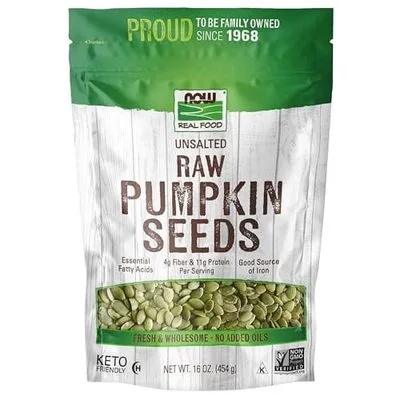
Pumpkin seeds (pepitas) that can be toasted as a garnish or ground into a paste to thicken and enrich sauces and stews.