Catracha, baleada, enchilada hondureña, tustaca, pollo chuco, anafre. Six of the most loved everyday foods in Honduras, and they get mixed up constantly, because several of them share the same handful of ingredients: a tortilla, refried red beans, cheese, something fried. But each one has a single feature that the others do not, and once you know that feature you will never confuse them again.
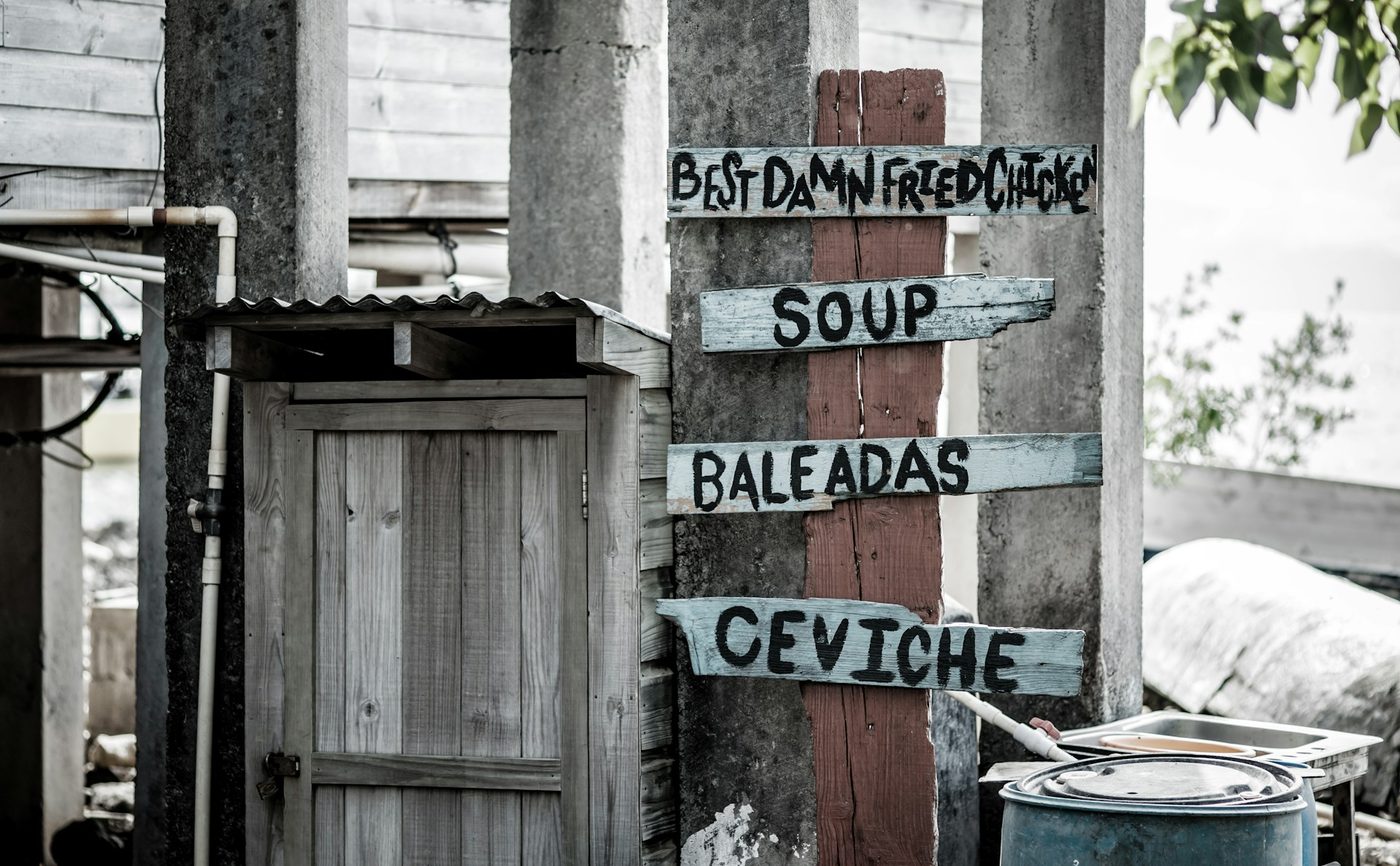
I have eaten these across the country and cooked most of them at home. This is the short guide I wish someone had handed me the first time I stood in front of a Honduran market stall trying to figure out what was what. Below is the comparison at a glance, then a plain-language rule for telling each one apart, then a quick note on every dish with a link to the full recipe.
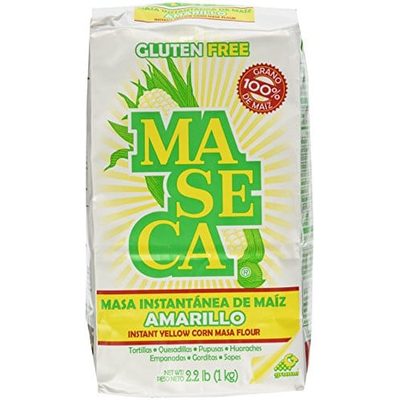
Maseca brand yellow corn masa harina, pre-ground and treated for immediate use in dough for tortillas, tamales, and other corn dough applications.
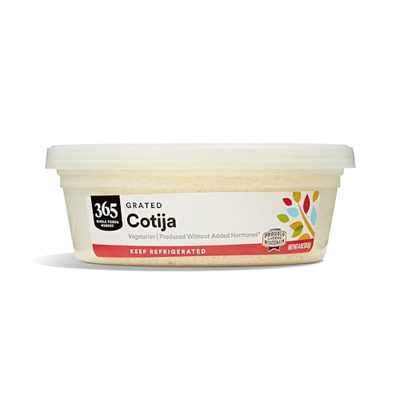
365 by Whole Foods Market Cotija Cheese, 4 OZ
The dry, salty crumbling cheese these dishes finish with, standing in for Central American queso duro.
The six at a glance
| Dish | Base | What goes on it | Sweet? | Format | The one-line test |
|---|---|---|---|---|---|
| Catracha | Crisp fried corn tortilla | Refried red beans, queso fresco | No | Open-face, hand-held | Beans and cheese only on a hard corn tortilla |
| Enchilada hondureña | Crisp fried corn tortilla | Ground beef, cabbage, egg, tomato sauce, cheese | No | Loaded open-face plate | Meat, cabbage and egg on a hard corn tortilla |
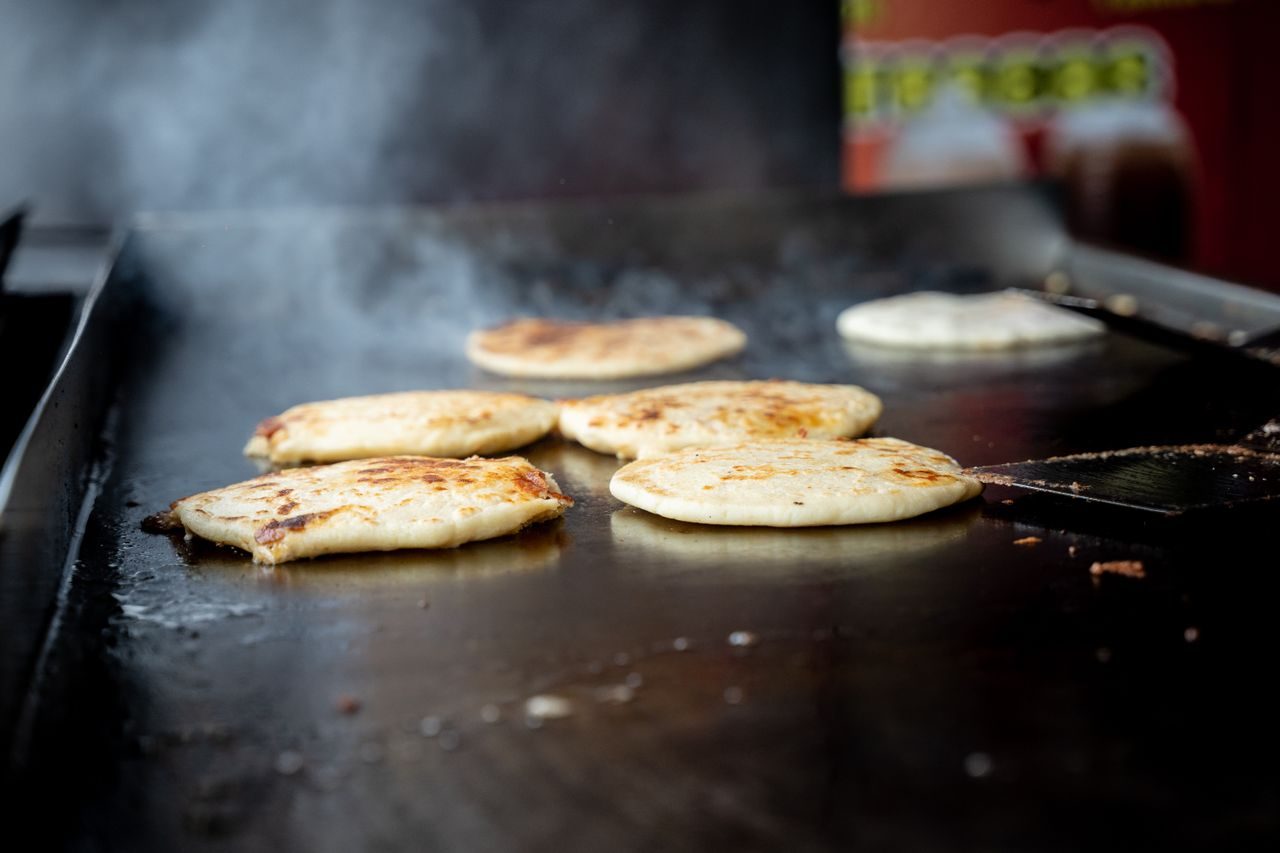
| Baleada | Soft wheat-flour tortilla | Refried beans, crema, queso duro | No | Folded half-moon | Soft wheat tortilla, folded |
| Tustaca | Corn-masa and cuajada cake | Rapadura sugar baked into the dough | Yes | Baked cookie/cake | It is sweet |
| Pollo chuco | No tortilla at all | Fried chicken, fried green banana, slaw | No | Full plate, fork | No tortilla anywhere |
| Anafre | Shared clay pot | Refried beans, melted quesillo, chorizo | No | Hot communal dip | Bubbling in a pot you dip into |
The simple rules for telling them apart
Run through these in order and you will land on the right name every time.
- Is it sweet? Then it is a tustaca. Rapadura (unrefined cane sugar) baked into the dough is the giveaway. None of the others are sweet.
- Is there no tortilla at all? Then it is pollo chuco: fried chicken over fried green banana slices. It is the only one in the group with no tortilla, corn or wheat.
- Is it bubbling in a shared clay pot you scoop from? Then it is anafre, a hot bean-and-cheese dip, not an individual snack.
- Is the tortilla soft wheat and folded in half? Then it is a baleada. Wheat and soft is the test. If it is corn and crunchy, it is not a baleada.
- Is it a crunchy corn tortilla with only beans and cheese? That is a catracha, the simplest of all.
- Is it a crunchy corn tortilla loaded with meat, cabbage and egg? That is an enchilada hondureña. The meat-cabbage-egg stack is what turns a catracha into an enchilada.
Catracha
The simplest dish in the family and the one the others are measured against. A corn tortilla fried until it is completely rigid, spread with refried red beans, topped with crumbled queso fresco. That is the whole thing. No meat, no cabbage, no sauce. The name comes from catracha, the word Hondurans use for themselves, so the dish is named after the people who eat it. If a crunchy corn tortilla carries only beans and cheese, it is a catracha.
Full recipe: Catrachas.
Enchilada hondureña
Start with the same crunchy fried corn tortilla as a catracha, then load it: seasoned ground beef cooked with potato and cumin, shredded cabbage dressed with salt and lime, a slice of hard-boiled egg, crumbled queso, and a thin tomato sauce. It is piled high and eaten open-face, never rolled. This is nothing like a Mexican enchilada, which is rolled and smothered in chili sauce. The meat, cabbage and egg are what separate it from a catracha.
Full recipe: Enchiladas Hondureñas.
Baleada
The odd one out, and the most famous of all. A baleada uses a thick, soft, hand-pressed wheat-flour tortilla (never corn, never fried crisp), warmed on a comal, spread with refried beans, topped with crema hondureña and crumbled queso duro, then folded into a half-moon. Wheat flour on the Central American coast traces back to the banana trade that built La Ceiba, where the baleada was born. The soft wheat fold is the absolute test: if it bends and is made of wheat, it is a baleada.
Full recipe: Baleadas.
Tustaca
The trickster. Tustacas sit in the same snack space as catrachas, but they are not a tortilla dish at all. They are a baked corn-masa cake mixed with fresh cuajada cheese and dulce de rapadura, unrefined cane sugar worked right into the dough so it caramelizes as it bakes. The result is a sweet-savory, sandy-textured bite served with coffee, often fired in a clay oven with ocote pine wood in the town of Sabanagrande. The sweetness is the line: if it is sweet, it is a tustaca, and nothing else in this group is.
Full recipe: Tustacas.
Pollo chuco
The signature street food of San Pedro Sula, and the only item here with no tortilla whatsoever. Crispy fried chicken sits on a bed of tajadas (fried green banana slices, sliced thin on the diagonal until rigid), topped with lime-dressed cabbage slaw, pickled onions, and tomato sauce. It is a full plate eaten with a fork, not a hand-held snack. The complete absence of any tortilla is what removes it from the rest of the family.
Full recipe: Pollo Chuco.
Anafre
The communal one. Anafre is refried red beans and melting quesillo cheese layered in a clay brazier (the anafre pot), kept bubbling over coals at the table while everyone dips tortilla chips into the shared pot. Crumbled chorizo usually goes in too. It is the standard appetizer that arrives before the main courses at Honduran restaurants, the way guacamole shows up at a Mexican one. Take away the live heat and the shared pot and you have a bean dip. Add them back and you have anafre.
Full recipe: Anafre.
Where these fit in Honduran cooking
All six are everyday food, not feast food. They turn the same three pantry staples: corn, red beans, and fresh cheese. These become very different things depending on whether the tortilla is fried or soft, whether sugar gets baked in, whether the dish is plated or shared. If you want the wider picture of how these snacks sit alongside the soups, grilled meats, and breads of the country, start with our guide to Honduran food.
Frequently asked questions
What is the difference between a catracha and a baleada?
A catracha is a completely rigid fried corn tortilla topped open-faced with refried beans and crumbled queso fresco. A baleada is a thick, soft wheat-flour tortilla folded around beans and crema. The material and texture are opposite: corn and crisp versus wheat and soft.
What is the difference between a catracha and a Honduran enchilada?
Both start with a hard fried corn tortilla. A catracha carries only refried beans and cheese. A Honduran enchilada adds seasoned ground beef, shredded cabbage, a sliced hard-boiled egg, and tomato sauce. If there is meat and cabbage, it is an enchilada, not a catracha.
Are tustacas a kind of catracha?
No. A catracha is a savory fried tortilla with beans and cheese. A tustaca is a sweet baked corn-masa cake with cuajada cheese and rapadura sugar worked into the dough. They share the same snack space, but the sweetness makes the tustaca a completely different food.
Why is pollo chuco not in the tortilla family?
Pollo chuco has no tortilla at all. It is fried chicken served over tajadas, which are fried green banana slices, with cabbage slaw and tomato sauce. It is a full plate eaten with a fork, which sets it apart from every other snack in this group.
Is anafre the same as a catracha?
No. A catracha is an individual hand-held snack. Anafre is a communal hot dip of beans and melted cheese served bubbling in a clay pot at the table, scooped up with tortilla chips. The shared pot and the live heat are what make it anafre.
What cheese is used on each one?
Catrachas and Honduran enchiladas are classically finished with grated queso seco, the hard dry cheese, though crumbled queso fresco is a common substitute. Baleadas use hard, salty queso duro. Anafre uses quesillo, the only one of the three that melts into strings. Tustacas use fresh cuajada curd worked into the dough.
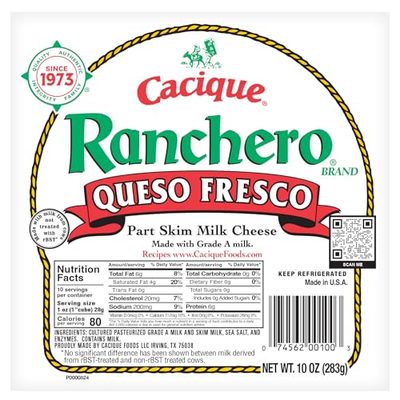
Cacique Queso Fresco Ranchero, 10 oz
A fresh crumbling queso fresco in 10 oz size, ready to sprinkle on cooked dishes or incorporate into recipes without shredding.
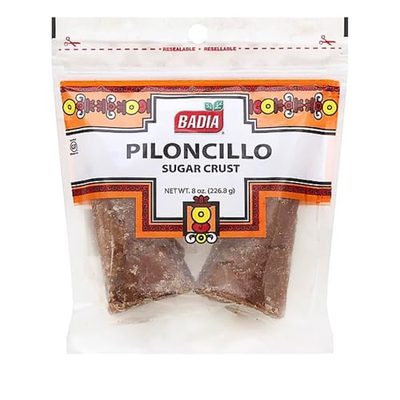
Unrefined cane sugar in cone form, the panela these syrups and sweets are built on.