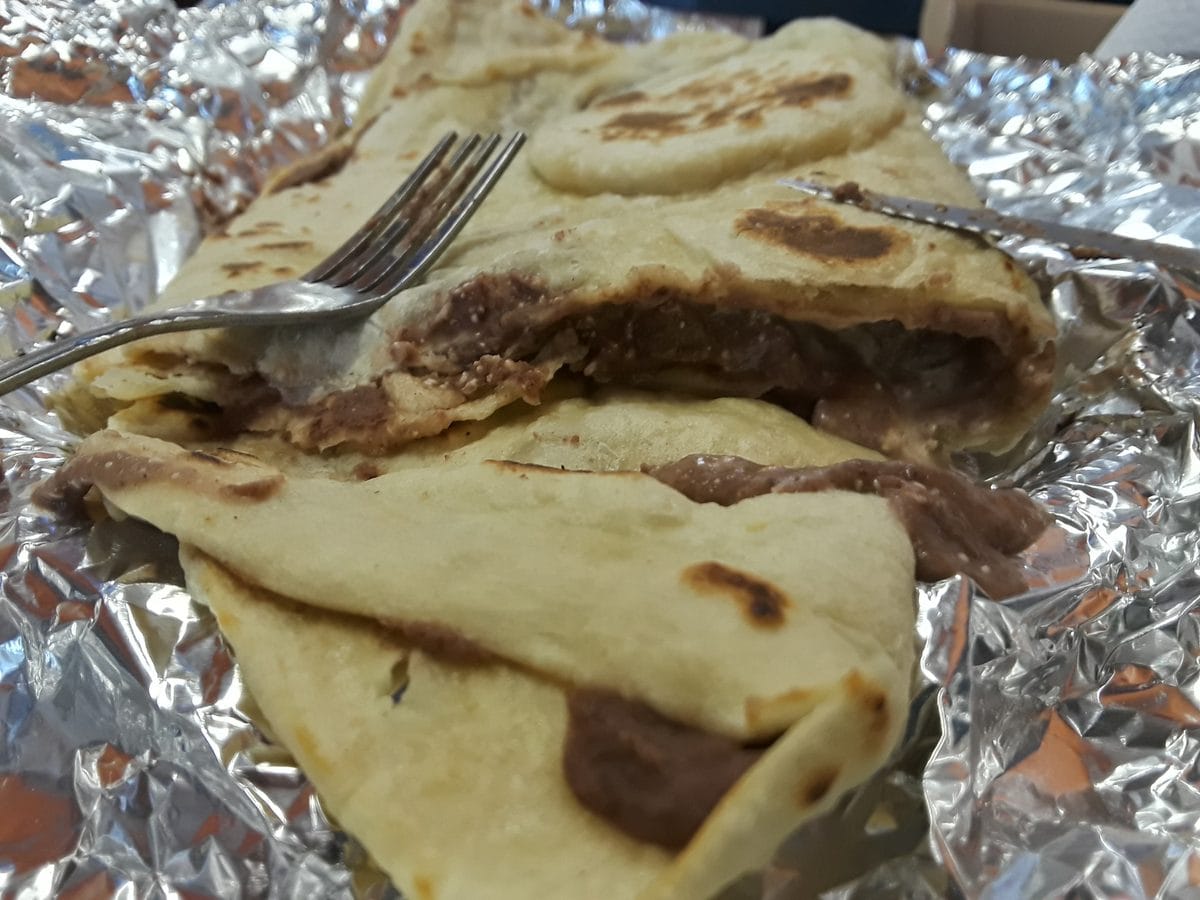
Short answer: A baleada is a thick, soft wheat-flour tortilla folded over warm refried red beans, a pour of Honduran cream (mantequilla rala), and crumbled hard white cheese (queso duro). That three-ingredient fold is the baleada sencilla, the original. Add scrambled egg, avocado, or meat and it becomes a baleada especial. The whole thing lives or dies on the tortilla: thick, pillow-soft, pressed by hand, cooked fast on a dry comal. Never corn. Never fried crisp. The moment it folds without cracking, you have a baleada.
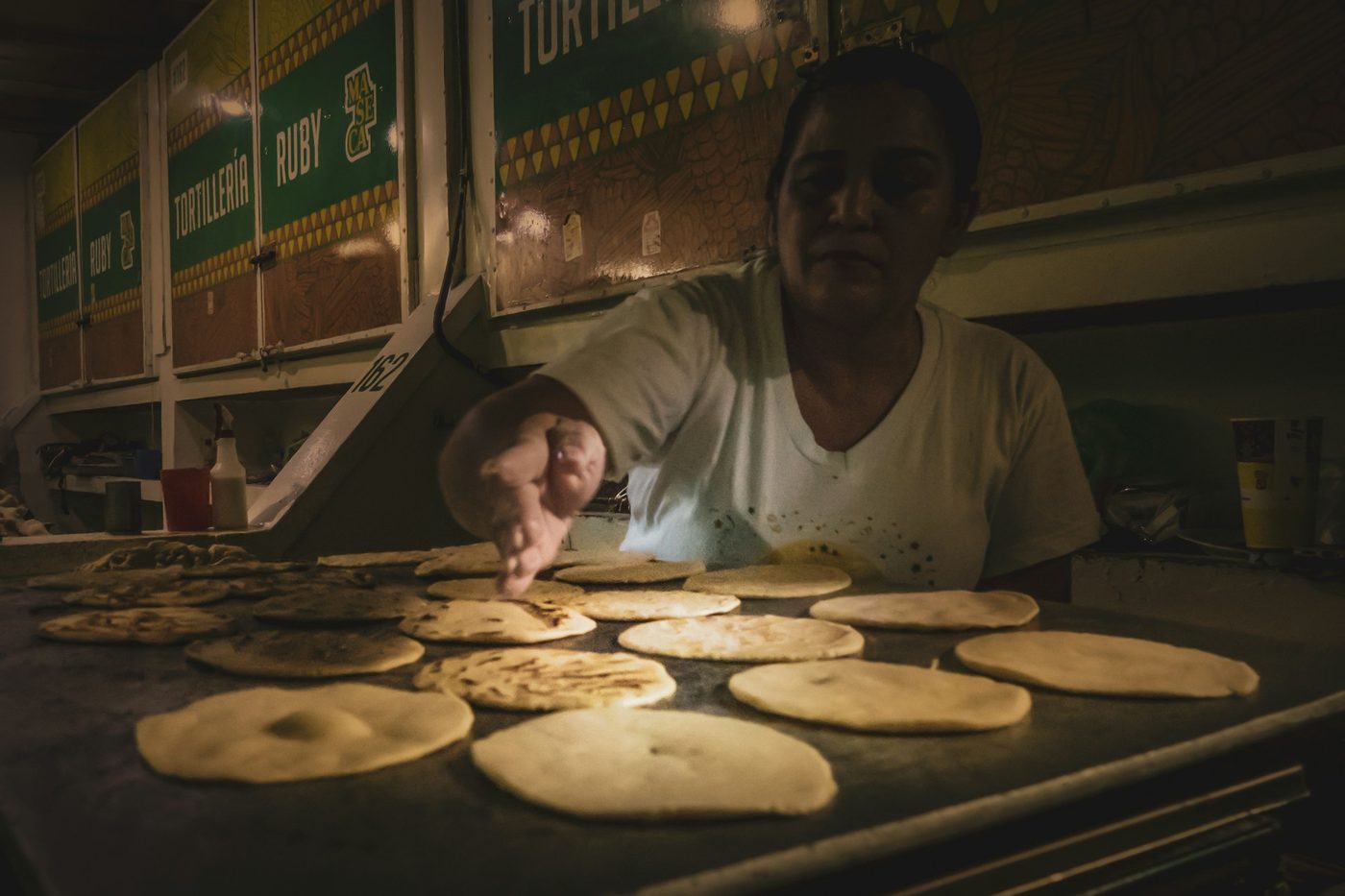
Honduras’s tortilla snacks are easy to mix up. Here is how catracha, baleada, enchilada, and tustaca differ.
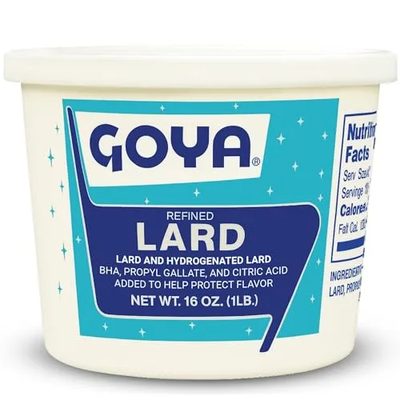
Pure lard (manteca) for making masa dough and frying - the fat traditional recipes rely on for texture and flavor.
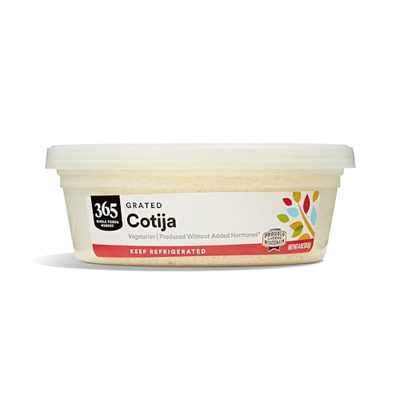
365 by Whole Foods Market Cotija Cheese, 4 OZ
The dry, salty crumbling cheese these dishes finish with, standing in for Central American queso duro.
Wheat flour is the first thing to know, and the clue to why baleadas exist. Honduras is a corn-tortilla country. Wheat moved into La Ceiba in the mid-twentieth century through the Standard Fruit Company’s banana trade infrastructure, which brought Sicilian workers and their wheat-flour cooking habits north along the Caribbean coast. When flour became cheap and available, a single mother named Doña Tere, working a food stall near the La Ceiba railway line in 1964, started folding it around beans and cheese for the workers going to and from the plantations. The dish spread out from that coast and is now Honduras’s national street food. One folk explanation, told by customers rather than by Doña Tere, reads the name in gun terms: the beans are the bullets, the cheese is the powder, the tortilla is the weapon. Baleada.
What makes a baleada different from a catracha or enchilada?
These three dishes share space on the same Honduran street corner, and people who have not eaten in Honduras routinely confuse them. The separator is the tortilla.
- Baleada: wheat flour, soft, folded. The only one in this family made from wheat. The only one that folds. If it is corn or crunchy, it is not a baleada.
- Catracha: corn tortilla, fried hard and crisp (tostada-style), then spread with refried beans and crumbled queso fresco. Flat, two toppings, nothing more. The name means “Honduran woman.”
- Enchilada hondureña: same crunchy fried corn base as the catracha, but loaded: seasoned ground beef, shredded cabbage, hard-boiled egg, tomato sauce, cheese. A composed plate, not a fold.
The binary test: flour and soft = baleada. Corn and crisp = catracha or enchilada. A dip in a clay pot = anafre, a different category entirely.
Ingredients
For the flour tortillas (makes 8):
- 3 cups all-purpose flour
- 1 teaspoon salt
- 1 teaspoon baking powder
- 5 tablespoons lard or vegetable shortening
- About 1 cup warm water
For the filling:
- 2 cups refried red beans, warm (use small red Central American beans, not black)
- Honduran cream (mantequilla rala), a thin tangy cultured cream; thinned Mexican crema or sour cream loosened with a little milk works in diaspora kitchens
- Crumbled queso duro (hard, salty, aged white cheese); dry cotija or queso seco are the closest substitutes
- For especial: scrambled egg, sliced avocado, fried sweet plantain, or chorizo (any or all)
How to make baleadas
- Make the dough. Whisk the flour, salt, and baking powder together. Work in the lard with your fingers until the mixture looks like coarse crumbs, then add warm water a little at a time until a soft, cohesive dough comes together. It should feel like an earlobe: tacky but not sticky.
- Rest the dough — this is not optional. Cover the dough and let it rest at least one hour at room temperature. The rest relaxes the gluten; without it the tortilla will snap back when you press it and bake up tough. One hour is the minimum; two is better. This is the single technique that separates a thick, pillowy baleada from a stiff taco shell.
- Shape by hand, not by rolling pin. Divide the dough into eight equal balls. Press and pat each one with your palms and fingertips into a round roughly six inches across, thicker than a taco tortilla, thinner than a pita. You want a round that is genuinely thick, not paper-thin. No rolling pin needed; the hand pressure gives the uneven, rustic thickness that holds the filling without tearing when folded.
- Cook on a dry comal. Over medium-high heat, cook each tortilla on a dry (ungreased) comal or cast iron skillet until the top surface puffs and shows golden-brown spots, about 60 to 90 seconds per side. Do not press it flat while it puffs. Keep finished tortillas in a cloth or a covered pot to stay warm and pliable.
- Fill and fold. Spread a generous line of warm refried beans across one half of the tortilla. Pour or spoon mantequilla down the center, scatter crumbled queso duro over the top, and add any especial additions. Fold the bare half over the filling to form a half-moon and eat immediately; the tortilla stiffens as it cools.
Tips and variations
- Red beans are the rule. Honduran refried beans are made from small red beans, not black. The flavor is earthier and less sweet than black bean refritos, and it changes the dish; use red if you can find them.
- Mantequilla is not butter. Mantequilla rala translates literally as “thin butter,” but the product is a cultured, pourable cream, closer to a thinned crème fraîche than dairy butter. Never substitute dairy butter; it will break and pool. If you cannot find Honduran cream, thin full-fat sour cream or Mexican crema with a splash of whole milk until it pours.
- Queso duro is salty and hard, not soft. The cheese should crumble or grate, not melt. Queso fresco will work in a pinch, but it is softer and milder; queso duro has a sharper, saltier bite that cuts through the beans. Dry cotija is the most reliable US substitute.
- Especial upgrades. In Honduras the most common especial additions are scrambled egg (breakfast version), sliced avocado, fried sweet plantain (a Honduran addition that adds sweetness against the salty beans), or rebanadas of cooked chorizo. Stack however many you like; the flour tortilla is thick enough to hold them.
- Make the beans ahead. Refried red beans reheat well and the dough rests for at least an hour anyway, so make the beans the day before and your active cooking time is under thirty minutes.
More of Honduras’s table is in the Honduran food guide. For the crispy-corn side of the snack family, see catrachas.
Frequently asked questions
What is a baleada?
A baleada is Honduras’s national street food: a thick, soft wheat-flour tortilla folded over refried red beans, mantequilla rala (Honduran cultured cream), and crumbled queso duro (hard white cheese). The simple version is the sencilla; the especial adds egg, avocado, or meat. Eaten any time of day, from a market breakfast to a late-night snack.
What is the difference between a baleada and a catracha?
The tortilla. A baleada uses a soft wheat-flour tortilla that folds into a half-moon. A catracha uses a corn tortilla fried hard and crisp, then spread flat with beans and cheese, never folded. If it is corn and crunchy, it is a catracha; if it is wheat and soft, it is a baleada.
What is the difference between a baleada sencilla and especial?
The sencilla is the original: beans, mantequilla cream, and crumbled queso duro. The especial adds one or more extras: scrambled egg, sliced avocado, fried plantain, chorizo. The tortilla and the fold never change.
What cheese and cream go in a baleada?
Traditionally queso duro (hard, salty, aged white cheese) and mantequilla rala (thin Honduran cultured cream, not butter despite the name). In diaspora kitchens, dry cotija or queso seco works for the cheese; thinned crema or sour cream works for the mantequilla.
Why are baleadas made with wheat flour instead of corn?
Honduras is a corn-tortilla country, but wheat flour arrived on the Caribbean coast through the banana-trade infrastructure of the mid-twentieth century. La Ceiba, where baleadas originated, was the export hub for Standard Fruit Company operations; Sicilian workers brought wheat-flour cooking habits, and once flour became affordable, it stuck. Baleadas are the product of that coast.
Why are they called baleadas?
Doña Tere is the La Ceiba vendor credited with popularizing the dish in 1964. Two folk explanations of the name circulate and neither is documented. In one, a customer described the thing in gun terms: the beans are the bullets (balas), the cheese is the powder, the tortilla is the weapon. In the other, a vendor survived a shooting and kept selling, and the dish took her name. Baleada means the shot one. Both stories trace to La Ceiba’s railway district and both should be taken as folklore.
Are baleadas the same as pupusas?
No. A baleada is a Honduran wheat-flour tortilla folded around its fillings after cooking. A Salvadoran pupusa is a round corn (or rice) masa patty stuffed before griddling: a sealed pocket, not a fold. Different country, different grain, different technique entirely.
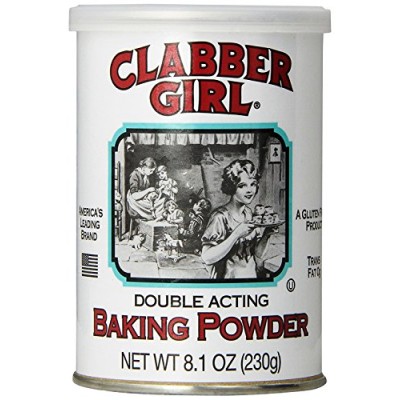
Clabber Girl Double Acting Baking Powder, 8.1 oz
Double-acting polvo para hornear — the lift behind rosquillas and quick breads.
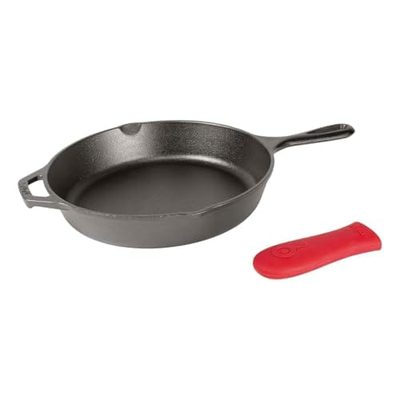
Lodge Cast Iron Skillet with Red Silicone Handle 10.25-Inch
A 10.25-inch cast iron skillet is what diaspora cooks reach for searing panuchos flat, browning stewed chicken, or frying johnnycakes when there is no comal to hand.
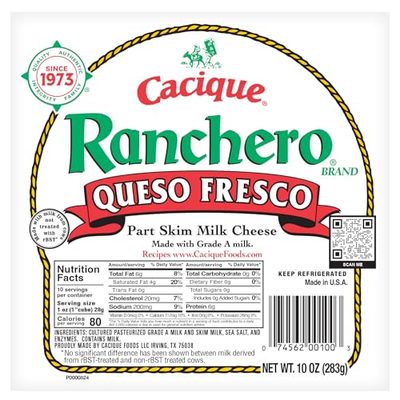
Cacique Queso Fresco Ranchero, 10 oz
A fresh crumbling queso fresco in 10 oz size, ready to sprinkle on cooked dishes or incorporate into recipes without shredding.