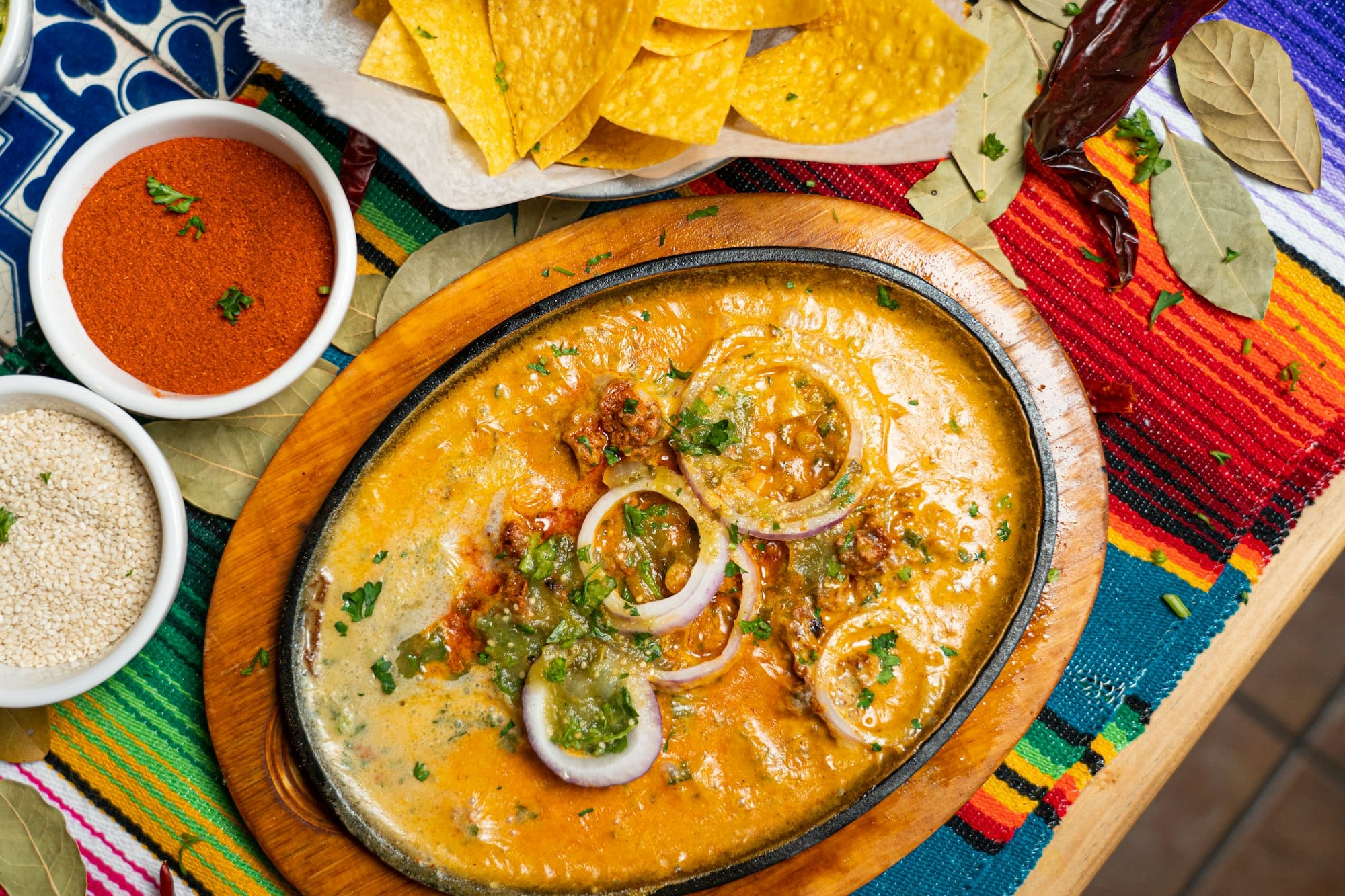
Anafre is the Honduran appetizer of refried red beans and melted quesillo cheese (often with crumbled chorizo) served bubbling in a small clay brazier at the table, kept warm over live coals, and scooped from a shared pot with totopos, crisp fried corn tortilla triangles. The clay pot is the defining object. When you order it at a Honduran restaurant, the brazier arrives first, still bubbling, and everyone digs in before the main courses come. That is the dish: a communal, fire-kept fondue, not a plated snack, not a topping, not something handed to a single person.
Honduras’s tortilla snacks are easy to mix up. Here is how catracha, baleada, enchilada, and tustaca differ.
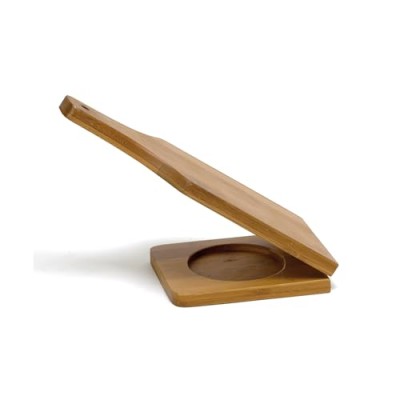
IMUSA Bamboo Tostonera Plantain Press, Large
The classic bamboo press for even, restaurant-flat tostones on the second fry.
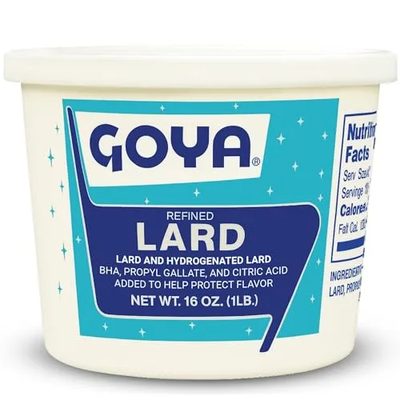
Pure lard (manteca) for making masa dough and frying - the fat traditional recipes rely on for texture and flavor.
Ingredients
This makes enough for six people sharing one pot, which is how anafre is meant to be eaten. Traditional Honduran names come first; US grocery equivalents follow in parentheses.
- 4 to 5 oz cooked pork chorizo, crumbled (optional, but this is what most Honduran cooks use)
- 2 tablespoons butter (or lard)
- ½ small white onion, finely chopped
- 1 clove garlic, minced
- 2 cups frijoles rojos refritos (refried red beans): make your own from Honduran Rojos de Seda, or use canned Ducal or Goya refried red beans; red, not black; that part is not negotiable
- 1 cup quesillo hondureño, shredded; queso Oaxaca is the closest US substitute, then low-moisture mozzarella; avoid pre-shredded bags with anti-caking starch
- ½ teaspoon ground cumin, optional
- Salt and black pepper to taste
- A splash of milk or bean broth, to loosen the beans if they are stiff
- To serve: totopos (fried corn tortilla triangles); plantain chips or tostones also work
On the cheese: you need something mild that melts and stretches. Quesillo does this; queso Oaxaca is a pasta-filata stretched-curd cheese in the same family and comes close. Do not use pre-shredded cheese from a bag: the anti-caking starch turns the dip grainy, and there is nowhere for that texture to hide in a dish this simple.
Instructions
- Cook the crumbled chorizo in a small skillet over medium heat until browned, 8 to 10 minutes. Remove half and set it aside. That half becomes the garnish scattered on top at the end.
- Add the butter to the skillet with the chorizo that stayed behind. Let it melt.
- Add the onion and garlic. Cook until soft and translucent, about 3 minutes. Do not let the garlic brown; it turns bitter, and there is nowhere for that bitterness to hide here.
- Add the refried red beans. Stir until warmed through and smooth, 2 to 3 minutes. Season with salt, pepper, and cumin if using. Loosen with a splash of milk or broth if the beans are stiff.
- Spread the shredded quesillo evenly over the beans. Scatter the reserved chorizo on top.
- Reduce heat to low. Cover or leave uncovered until the cheese melts fully, 8 to 10 minutes.
- If you have a clay anafre: transfer the bean-and-cheese mixture into the clay bowl set over hot coals and bring it to the table still bubbling. If you do not: serve directly from a small cast-iron skillet, which holds heat the longest, or finish under the broiler for one minute to brown the top, then move fast. The point is heat at the table, not a cold plated dip. Serve with totopos.
What Is Anafre, and Why Is It Named After the Pot It Cooks In?
The word means two things at once: the dip, and the vessel. The pot is a small clay brazier with vents cut into its base. Hot coals go inside those vents. The bowl sits on top, and the coals keep the beans and cheese bubbling throughout the meal while everyone scoops from the same pot. No one is served a portion. It is a shared thing, kept warm by fire at the table, and that format (communal, hot, in the vessel it is named for) is what makes anafre anafre. Take away the live heat and the shared pot and you have a bean dip. Add them back and you have the dish.
Take away the live heat and the shared pot and you have a bean dip. Add them back and you have the dish.
The clay vessel ties back to Lenca pottery. The Lenca are the largest Indigenous group in Honduras, and the artisans in and around La Campa and Gracias in the Lempira department still hand-make these braziers in the characteristic brick-orange clay. That pottery heritage is real and documented. What the food writing usually gets wrong is collapsing the vessel’s lineage into the recipe’s lineage. The bean-cheese-chorizo dip you fill it with is Mestizo Honduran, shaped by Spanish colonial ingredients arriving on top of pre-Columbian staples. The pot has centuries of history. The specific recipe in this post does not claim to.
The pottery craft is Lenca heritage. The bean-cheese-chorizo dip you make in it is Mestizo Honduran.
The word itself traveled a long road. Anafre entered Spanish from Andalusian Arabic an-nāfiḫ (النَّافِخ), the root of which means “blower,” one who blows the coals to life. The portable brazier was named for the act of keeping it lit. It crossed the Atlantic with the Spanish language and eventually landed in Honduran kitchens, where the pot got its own dish.
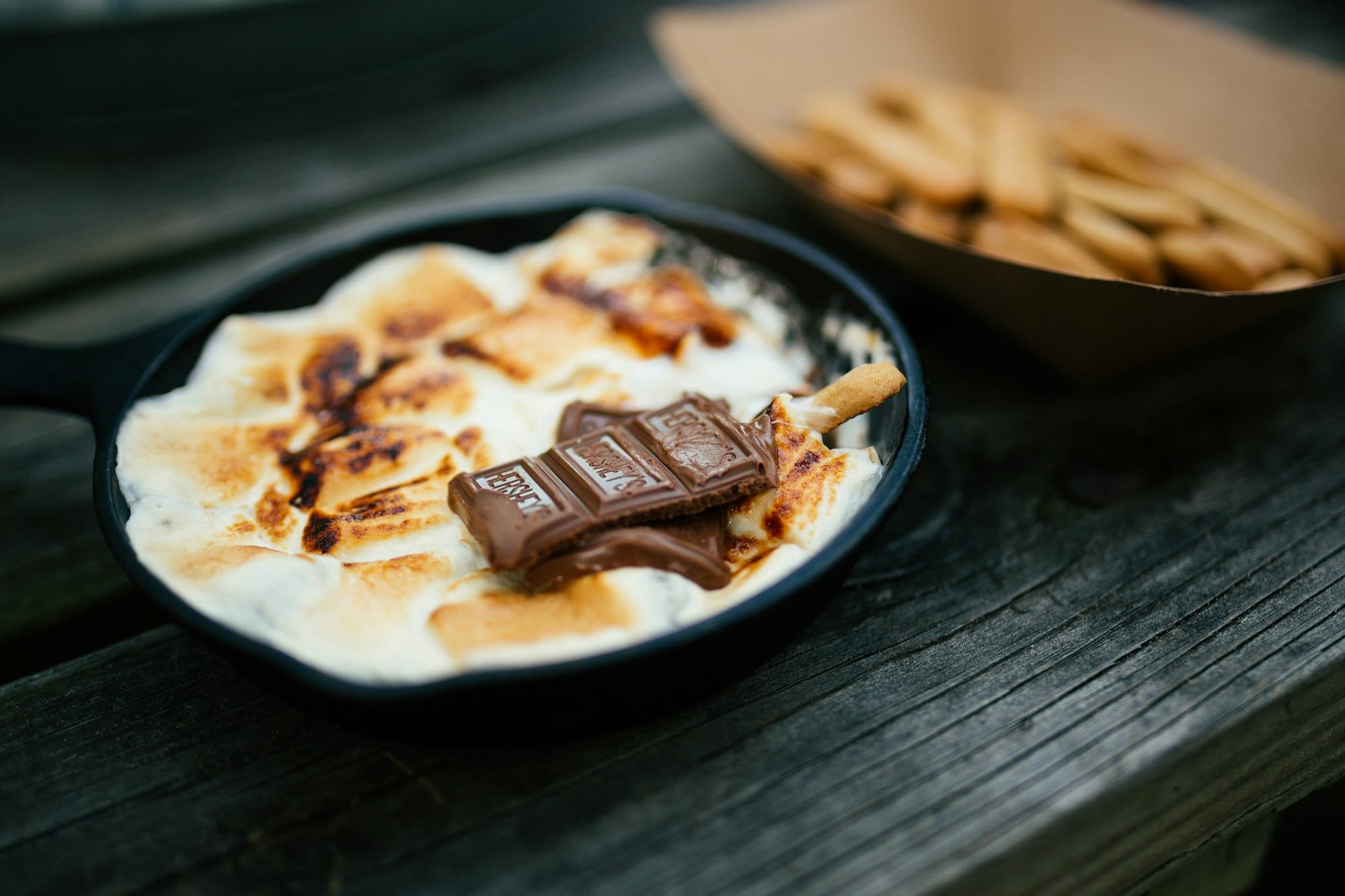
Anafre is Honduras’s restaurant opening move. Every table gets one as the meal begins. It is the national appetizer in the same way that guacamole arrives before a Mexican meal: automatic, communal, and already on the table before anyone has decided what they are ordering. Families make it at home for parties and Sunday gatherings. But the restaurant context matters: anafre is what a Honduran cook reaches for when the point is to bring people together around a table rather than to feed a single person.
I cook it from Honduras, not from Belize. It is Honduran, and I am happy to leave it there.
How Anafre Is Different From the Rest of Honduras’s Bean-and-Tortilla Family
Honduras has a tight cluster of snacks that share beans, cheese, and fried corn, and they look confusingly similar in a recipe title or search result. Here is the one-line test for each:
- Anafre: refried red beans and melted quesillo in a clay brazier, shared at the table, kept hot over coals. A communal hot dip. Never plated individually.
- Catrachas: a fried-crisp corn tortilla spread cold or warm with refried red beans and topped with crumbled queso fresco. Flat, crunchy, individually served. Two toppings only: no cheese pull, no heat source, no shared pot.
- Baleadas: a thick, soft wheat-flour tortilla (never corn, never crispy) spread with refried beans, crema, and crumbled queso duro, then folded into a half-moon. The fold and the soft flour base are the separating features. If it folds and is made of wheat, it is a baleada. If it is corn and crunchy, it is not.
- Enchiladas hondureñas: same crunchy fried corn tortilla base as a catracha, but fully loaded: seasoned ground beef, shredded cabbage, sliced hard-boiled egg, queso fresco, and tomato sauce. The meat and cabbage stack is what converts it.
The non-negotiable separator for anafre is the clay brazier with live heat and the communal-dipping format. None of the others are a dip. None of them sit over coals at the table. If it is bubbling in a clay pot and you are scooping it, it is anafre.
How to Make Anafre Without a Clay Brazier
Most people reading this do not have a clay anafre, and that is fine.
- For the vessel: a small cast-iron skillet holds heat the longest and is the standard home substitute. An oven-safe dish works too. Finish either one under the broiler for a minute to brown the cheese, then serve immediately. It firms as it cools.
- For the cheese: quesillo hondureño is ideal. Queso Oaxaca is the closest US shelf substitute. Low-moisture mozzarella works after that. Skip the pre-shredded bag: anti-caking starch makes the dip grainy.
- For the beans: use red refried beans, never black. Thin with warm milk or bean broth if stiff. Canned Ducal red refried beans are a common shortcut in Honduran-American kitchens, and there is no shame in it.
- To make it vegetarian: leave out the chorizo. Add extra onion and a pinch of cumin so the dip still has backbone.
- For the dippers: totopos are classic. Fry your own from corn tortillas, or use store-bought tortilla chips. Tajadas (fried green-plantain chips) and tostones also work.
- For storage: keeps three to four days in the fridge. Reheat gently with a splash of milk; the cheese tightens when it cools.
Frequently Asked Questions
What is anafre?
Anafre is a Honduran appetizer of hot refried red beans topped with melted quesillo cheese and often crumbled chorizo, served bubbling in a small clay brazier kept warm over coals. It is scooped communally with totopos, crisp fried corn tortilla triangles. The word names both the dip and the clay pot it arrives in.
How is anafre different from catrachas or baleadas?
Anafre is a shared hot dip in a clay brazier: it is never individually plated or hand-held. Catrachas are individually served fried-crisp corn tortillas topped with refried beans and crumbled queso fresco, served flat and cold or room-temperature. Baleadas are soft wheat-flour tortillas (never corn, never crispy) folded over refried beans, crema, and queso duro. The format is the separator: if it is bubbling in a clay pot and you are scooping from it, it is anafre; if you are holding it, it is something else.
How do you make anafre?
Brown crumbled chorizo, then cook onion and garlic in butter. Stir in refried red beans until smooth and warm, season, and loosen with a splash of milk if thick. Spread shredded quesillo or queso Oaxaca on top, scatter the reserved chorizo, and warm on low until the cheese melts fully. Transfer to a clay brazier over coals or serve from a cast-iron skillet. Serve hot with totopos.
What cheese is used for anafre?
The traditional cheese is quesillo hondureño, a mild semi-soft pasta-filata cheese that melts cleanly and stretches. If you cannot find it, queso Oaxaca is the closest substitute, and low-moisture mozzarella works after that. Avoid pre-shredded cheese with anti-caking starch; it melts grainy in a dip this plain.
What is the difference between anafre and Mexican bean dip?
Anafre is specifically refried red beans under melted quesillo, often with chorizo, kept hot in a clay brazier at the table. Mexican bean dip varies widely and typically adds sour cream, cream cheese, or layered toppings. The red-bean base, the quesillo, and the live-heat clay vessel are what make anafre Honduran. It is also not nacho queso: that is a cheese sauce without the beans.
Can you make anafre without an anafre pot?
Yes. A small cast-iron skillet is the standard home substitute because it holds heat the longest. An oven-safe dish also works, and you can brown the cheese under the broiler for a minute before serving. The clay brazier keeps the dip bubbling at the table over coals throughout the meal, but the vessel is not required to make the dip itself.
What do you serve with anafre?
Totopos, crisp fried corn tortilla triangles, are the classic dipper. Fry your own from corn tortillas or use store-bought tortilla chips. Tajadas (fried green-plantain chips) and tostones also work well. Anafre is meant to be shared, so set it in the center of the table and let everyone scoop from the same pot.
What does “anafre” mean?
The word entered Spanish from Andalusian Arabic an-nāfiḫ, meaning “blower,” one who blows the coals to life. The portable brazier was named for the act of keeping its fire lit. In Honduras the word now means both the clay pot with its coal-filled base and the bean-and-cheese dip that cooks inside it.
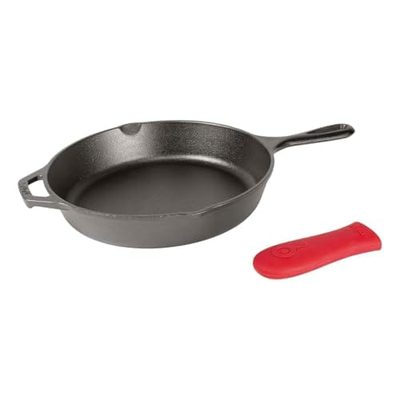
Lodge Cast Iron Skillet with Red Silicone Handle 10.25-Inch
A 10.25-inch cast iron skillet is what diaspora cooks reach for searing panuchos flat, browning stewed chicken, or frying johnnycakes when there is no comal to hand.
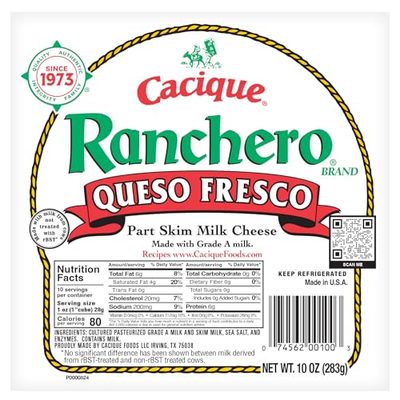
Cacique Queso Fresco Ranchero, 10 oz
A fresh crumbling queso fresco in 10 oz size, ready to sprinkle on cooked dishes or incorporate into recipes without shredding.