Quesillo Hondureño is a soft, mildly salty, stretched-curd melting cheese made from whole cow’s milk. It is the cheese that goes inside a baleada, that melts into an anafre, and that gets folded between two hot corn tortillas for the snack Hondurans simply call tortillas con quesillo. It is not the same as Nicaraguan quesillo, a corn-tortilla street snack wrapped around soft cheese and pickled onions, or Venezuelan quesillo, which is a caramel flan. Same word, three foods that have nothing to do with each other.
Why Quesillo Hondureño Is the Cheese That Makes a Baleada
The first time most people taste it, they do not taste it on its own. They taste it folded inside a warm baleada, where the cheese softens against hot refried red beans and a spoon of mantequilla, the cultured Honduran cream. That softening is the whole point. Quesillo Hondureño is built to melt into something.
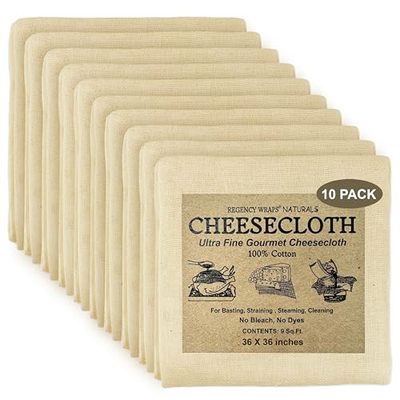
Regency Wraps 100% Cotton Ultra Fine Natural Cheese Cloth, 90 sq.ft, Chef Grade
Tamales colados, tamarind paste, and recado prep all need grade 90 cheesecloth: finer than gauze, sturdier than muslin. A multi-yard pack covers a year of straining.
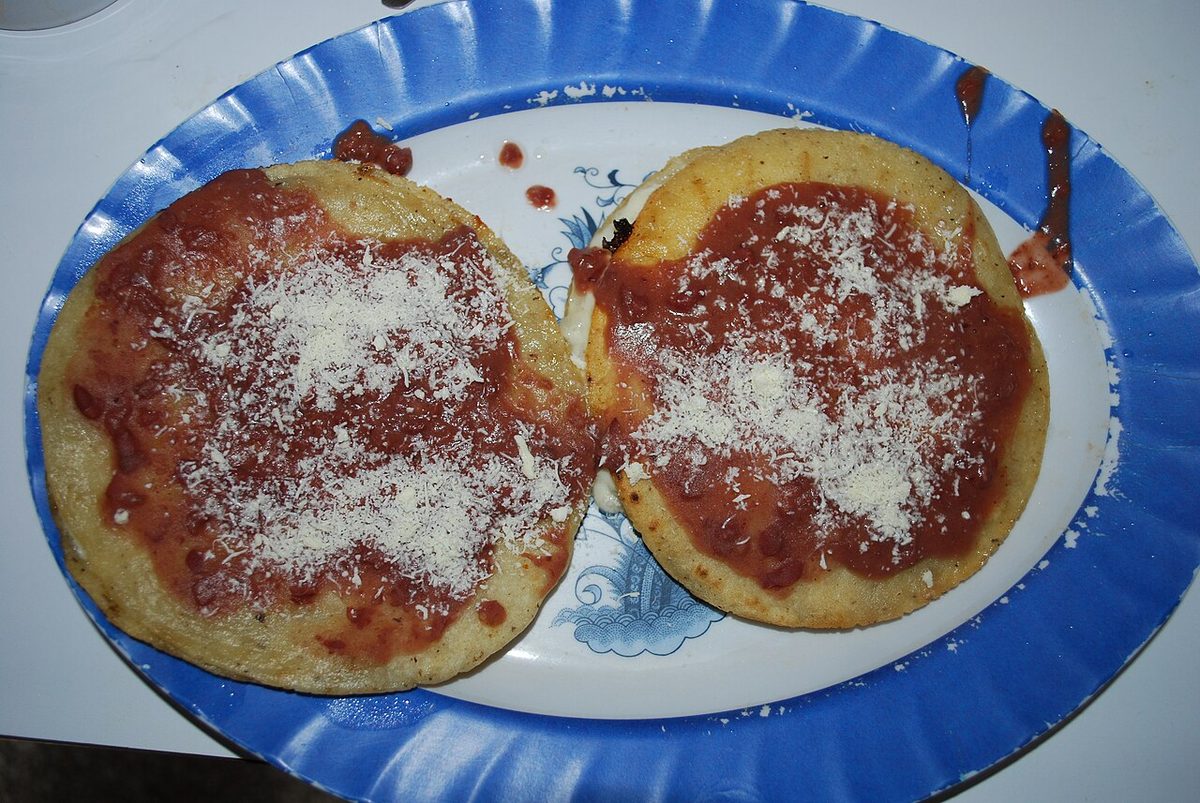
But baleadas are not the only place this cheese belongs. The classic way Hondurans eat it on its own is tortillas con quesillo: two corn tortillas, the quesillo pulled and sandwiched between them, the whole thing set on the comal or a hot pan until the exterior crisps and the cheese inside melts to a pull. It is sold from doorways and market stalls throughout the country. And in any Honduran restaurant worth visiting, quesillo is the cheese that goes into the anafre, the communal clay-pot bean-and-cheese dip kept bubbling over coals at the table.
The cheese itself comes mostly from small producers, particularly in Olancho, the inland cattle-ranching department that Honduras treats as the home of artisanal quesillo. Olancho is not a coastal place; it is the mountainous interior, and the quesillo made there, quesillo Olanchano, is the version Hondurans in the diaspora seek out and the one that turns up in brands like La Ricura on shelves in Latin supermarkets across the United States.
Here is where people get confused, and it is worth correcting. Honduran quesillo is a cheese. Nicaraguan quesillo is a whole dish: a thick corn tortilla wrapped around soft cheese and pickled onions, sold by the women they call quesilleras around León. And Venezuelan quesillo is a dessert, closer to a flan. Same word, three things that share nothing beyond the name.
Same word, three things that share nothing beyond the name.
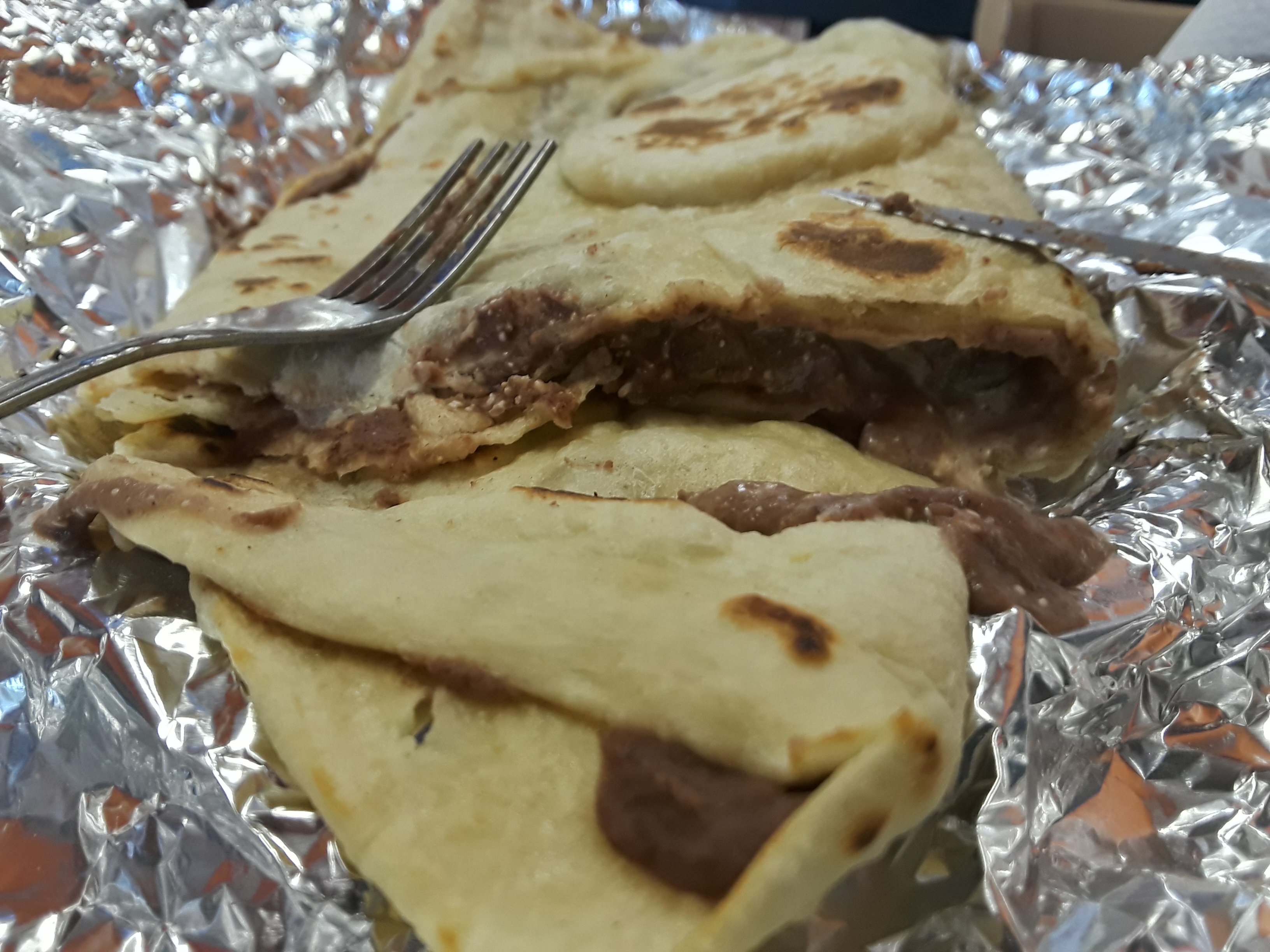
One more distinction before you cook. On top of a baleada you will sometimes see a dry, salty, grateable cheese. That is queso duro, and it is not this. Quesillo is the soft one that goes inside. Queso fresco is the mild crumbly one used on catrachas and enchiladas hondureñas. Quesillo is the only one of the three that melts into strings. That is the test.
What Quesillo Hondureño Is Made Of
Quesillo Hondureño belongs to the pasta filata family, the same stretched-curd method behind mozzarella and Mexican Oaxaca cheese (which Mexicans also call quesillo). Milk is set with rennet at around 86 to 90 degrees Fahrenheit and held until the curd forms firm enough to cut. The whey is drained and the curd is pressed, broken up, salted, and rested.
The step that earns the name comes last. The salted curd is submerged in hot water and worked by hand, pulled and folded over and over until it turns smooth, glossy, and stretches into long strands. That kneading in hot water is the defining technique. It is what transforms a pressed curd into something that will melt cleanly and pull apart in ribbons when you break it warm. The result is a white, semi-soft, mildly salty cheese with a fat content comparable to whole-milk mozzarella. It is not a low-fat cheese.
The regional version, quesillo Olanchano, is made the same way using milk from Olancho’s cattle herds. Olancho has been Honduras’s dairy interior for generations, and the quesillo from that department is the version most Hondurans recognize as the standard.
The step that earns the name comes last: pulled and folded in hot water until it stretches into long strands.
Ingredients
You can make a workable home version with an acid set. Be clear about what this is: a shortcut that captures the stretch and the melt but skips the rennet and the whey-back starter of the traditional method. It does the job in a baleada or an anafre.
For a quick home quesillo (acid-set)
- 1 gallon whole milk (not ultra-pasteurized; check the carton before you buy, because UHT milk will not form a workable curd)
- 1/4 cup distilled white vinegar, or 1.5 teaspoons citric acid dissolved in 1/4 cup water
- 1 teaspoon fine salt, plus more to taste
If you would rather not make cheese at all
- 8 ounces low-moisture mozzarella, Oaxaca cheese, or mild string cheese, shredded. Any of these stand in well. Oaxaca cheese is the closest match in both method and texture (it is also called quesillo).
Instructions
- Heat the milk slowly to 185 to 195 degrees Fahrenheit, stirring the whole time so the bottom does not scorch. Low and patient is better than fast here.
- Take the pot off the heat and stir in the vinegar or dissolved citric acid. Let it sit a few minutes. You will see the curds pull away from a clear, yellowish whey.
- Pour the curds through a cheesecloth-lined strainer. Keep a cup of the warm whey aside.
- Salt the drained curds and knead them together while they are still warm.
- Submerge the curd mass in very hot water, around 170 to 175 degrees Fahrenheit, or in the reserved hot whey. Work it with your hands: stretch, fold, stretch again, until it turns smooth, glossy, and pulls into long strands when you tug it. This is the pasta filata step: without it, the curd will not melt cleanly.
- Shape it into a ball, or pull it into ribbons. Use it warm, or cool it and wrap it tightly for the refrigerator.
- To use it in a baleada or tortilla con quesillo, shred or pull the cheese while it is still slightly warm so it melts down into the hot beans or between the tortillas.
How to Get the Stretch Right (and What to Use When You Cannot Make It)
- Use milk that is not ultra-pasteurized. UHT milk will not form a workable curd, and this is the single most common reason a home batch fails. Check the carton before you buy.
- Water temperature for the stretch decides everything. Too cool and the curd tears apart in your hands. Too hot and it turns greasy and loose. You want water that is too hot to hold a finger in comfortably, but well short of a boil.
- For substitutes: low-moisture mozzarella is the easiest one-to-one swap. Oaxaca cheese (itself called quesillo) is the closest in both method and texture. Mild string cheese works when that is what the store has.
- Store it wrapped tightly in the refrigerator and use it within about a week. Fresh stretched cheese does not freeze well; it weeps and separates when it thaws.
- If a recipe tells you to grate a dry, salty cheese over the top, that is queso duro, not quesillo. Do not swap one for the other and expect the same result.
Frequently Asked Questions
What is Honduran quesillo?
Honduran quesillo is a soft, mildly salty, stretched-curd melting cheese made from whole cow’s milk. It is the cheese folded inside baleadas, melted into the communal clay pot called an anafre, and sandwiched between two corn tortillas in the street snack tortillas con quesillo. It is made by working fresh curds in hot water until they stretch and pull into long strands. It is a cheese, not the tortilla-wrapped street snack of the same name in Nicaragua.
What is quesillo Olanchano?
Quesillo Olanchano is quesillo made in the Olancho department of central Honduras, the country’s main inland cattle-ranching region and the place most Hondurans point to for artisanal quesillo. The technique is the same pasta filata method used across Honduras. Olancho’s version is the one Hondurans in the diaspora seek out, and the one sold in Latin supermarkets in the United States under brands such as La Ricura.
What cheese can I use instead of quesillo Hondureño?
Low-moisture mozzarella is the easiest substitute and melts much the same way. Oaxaca cheese, which is itself a kind of quesillo made by the same pasta filata method, is the closest match in both texture and technique. Mild string cheese works in a pinch. You want something soft and meltable, not a dry grating cheese.
Is quesillo the same in Honduras and Nicaragua?
No. In Honduras, quesillo is the cheese itself: a soft stretched-curd melting cheese. In Nicaragua, quesillo is a complete street dish: a thick corn tortilla wrapped around soft cheese with pickled onions and sour cream, sold from roadside stands. They share a name and not much else.
What is the difference between quesillo, queso fresco, and queso duro in Honduran cooking?
These are three distinct cheeses used in different ways. Quesillo is the soft, stretched, melting cheese: it goes inside baleadas, into anafre, and between corn tortillas. Queso fresco is mild and crumbly, used on catrachas and enchiladas hondureñas. It does not melt. Queso duro is hard, aged, and salty, grated or crumbled on top of dishes as a finishing cheese. Quesillo is the only one of the three that stretches and melts into strings when it meets heat.
Does quesillo Hondureño melt?
Yes, melting is what it is built for. The pasta filata technique, working the curd in hot water until it stretches, creates a protein structure that softens cleanly under heat and pulls apart in strands. That is why it goes inside a warm baleada, into a bubbling anafre, or between two corn tortillas on the comal, rather than getting crumbled or grated over the top the way a firmer cheese would.
What is tortilla con quesillo?
Tortilla con quesillo is one of the most common ways Hondurans eat this cheese on its own. Two corn tortillas are filled with pulled quesillo, pressed together, and cooked on a comal or hot pan until the outside crisps and the cheese inside melts. It is a street food and household snack sold throughout Honduras, often with a simple tomato sauce on the side. It is the everyday standalone use for quesillo the same way the baleada is the everyday use for it folded with beans.