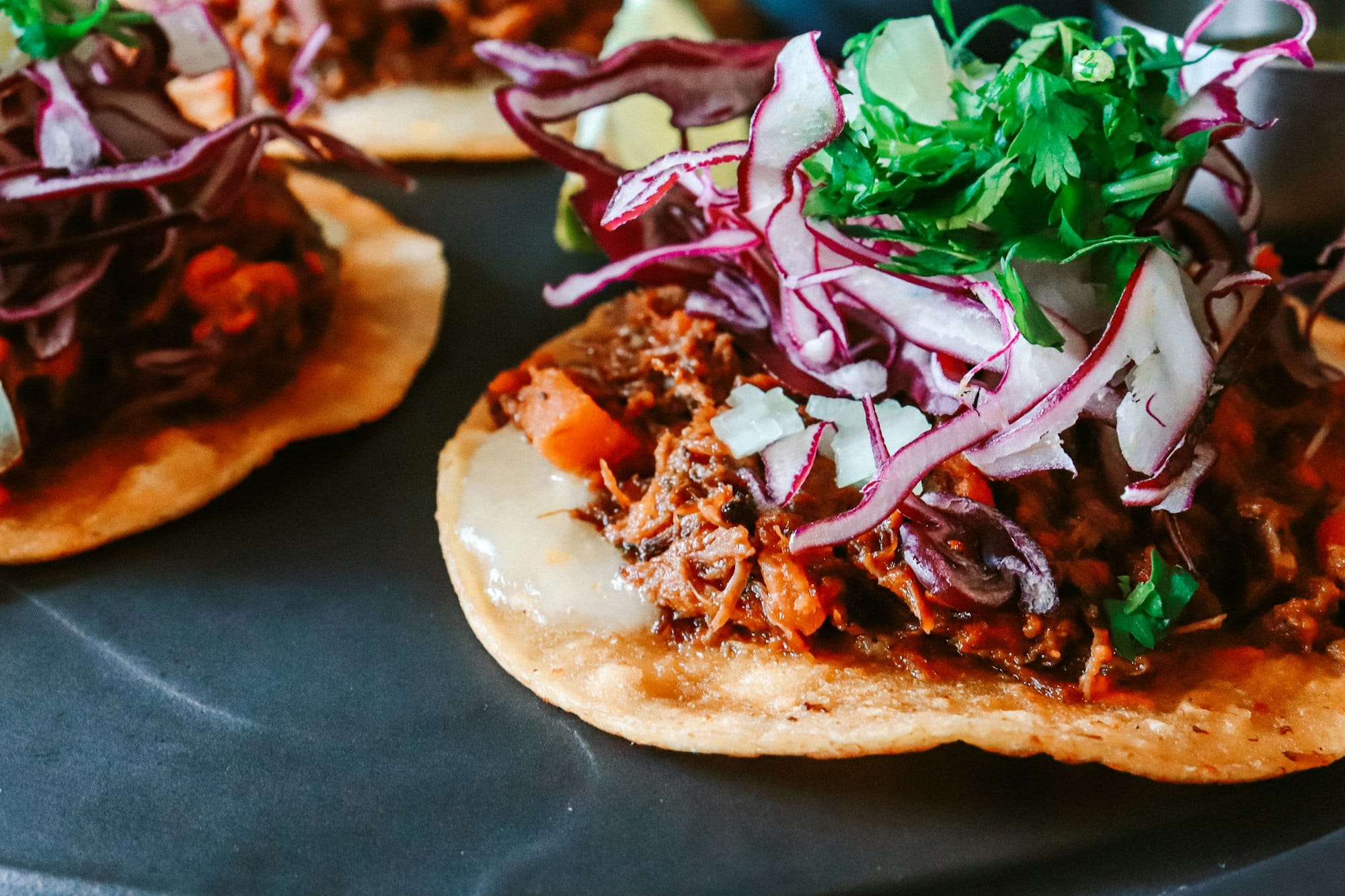
Honduran enchiladas are an open-faced street food: a flat corn tortilla fried until crisp, then built up in layers — seasoned ground beef with cumin and potato, shredded cabbage, a thin tomato sauce, a slice of hard-boiled egg, and a heavy shower of grated queso seco. You eat them with your hands, and they share nothing with a rolled Mexican enchilada except the name.
Honduras’s tortilla snacks are easy to mix up. Here is how catracha, baleada, enchilada, and tustaca differ.
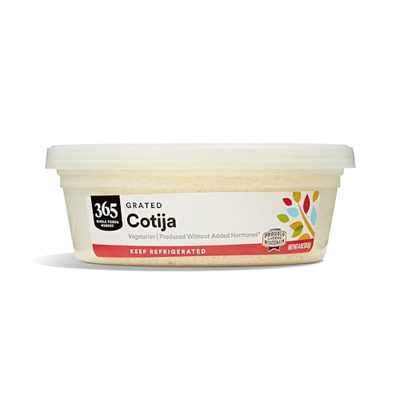
365 by Whole Foods Market Cotija Cheese, 4 OZ
The dry, salty crumbling cheese these dishes finish with, standing in for Central American queso duro.
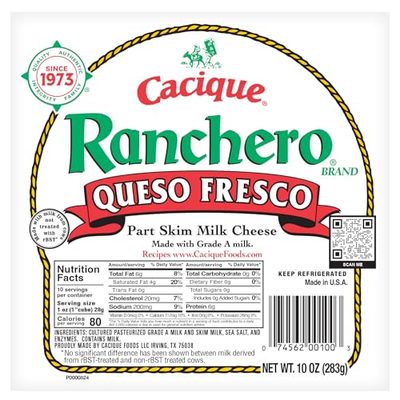
Cacique Queso Fresco Ranchero, 10 oz
A fresh crumbling queso fresco in 10 oz size, ready to sprinkle on cooked dishes or incorporate into recipes without shredding.
Ingredients
The list looks long, but most of it is assembly. Make the beef and the cabbage first, fry the tortillas last, and build each plate to order. Quantities make nine enchiladas.
For the tortillas
- 9 corn tortillas
- About 1/2 cup vegetable oil, for shallow frying
For the beef (carne molida)
- 1 lb ground beef, 85 to 90 percent lean
- 1 small onion, diced
- 2 cloves garlic, minced
- 1/2 green bell pepper, diced
- 2 tomatoes, diced
- 1 small waxy potato, cut in 1/4-inch cubes
- 3 tablespoons tomato paste
- 1 cup beef stock
- 1/2 teaspoon ground cumin
- Salt and black pepper, to taste
For the cabbage (repollo)
- 2 cups shredded green cabbage
- 1 tablespoon white vinegar
- 1/4 teaspoon salt
For the tomato sauce
- 3 tablespoons tomato paste
- 1/2 cup water or beef stock
- A pinch of salt
To assemble
- 3 hard-boiled eggs, sliced
- 3/4 cup grated queso seco (or cotija; feta for the salty tang; dry Parmesan in a pinch)
Instructions
- Make the beef. Heat a little oil in a wide pan over medium heat. Add the onion, garlic, and green pepper and cook until soft, about 5 minutes.
- Add the ground beef. Break it up and cook until it loses its pink color and starts to brown.
- Stir in the diced tomatoes, tomato paste, and cumin. Season with salt and pepper.
- Add the potato and the beef stock. Lower the heat and simmer until the potato is tender and the liquid cooks down to a thick picadillo, about 15 minutes. Set aside and keep warm.
- Make the cabbage. Toss the shredded cabbage with vinegar and salt in a bowl. Let it sit while everything else cooks. It will soften slightly and stay bright.
- Make the tomato sauce. Warm the tomato paste with the water or stock and a pinch of salt, whisking until you have a thin, spoonable sauce. Keep it loose enough to drizzle.
- Fry the tortillas. Heat the 1/2 cup oil in a clean pan until it shimmers. Fry each tortilla flat, about 30 to 45 seconds per side, until crisp and golden. Drain on paper towels. Do not stack them while hot or they steam and go soft.
- Build each plate. Lay down a fried tortilla. Spoon on a layer of beef, then a handful of cabbage, then two or three slices of egg.
- Drizzle the tomato sauce over the top, then cover the whole thing with a heavy shower of grated queso seco.
- Serve right away, while the tortilla is still crisp. Eat with your hands.
What Makes a Honduran Enchilada Different from a Mexican One?
If you grew up on rolled enchiladas swimming in red chile sauce, the Honduran version will stop you cold. The word is the same. The plate is completely different.
A Honduran enchilada is flat. The tortilla gets fried hard and stays open-faced, closer to a loaded tostada than anything you roll or fold. Everything sits on top in plain sight: the beef, the cabbage, the egg, the sauce, the cheese. You pick it up and eat it by hand. Nobody bakes it, nobody covers it in sauce and runs it under a broiler.
This is Mestizo street food, sold all over Honduras from market stalls and comedores. People eat them at noon and late afternoon: a quick meal, a school-day snack, a thing you grab at the market on your way somewhere else. The structure is fixed: fried tortilla, cumin-spiced beef, cabbage, egg, tomato sauce, queso seco. The details flex. Some cooks tuck in a few slices of fried sweet plantain between the layers. Some add chimol, the fresh tomato-onion relish, for brightness. In the western regions chicken replaces beef. None of that changes what the dish is.
The word is the same. The plate is not.
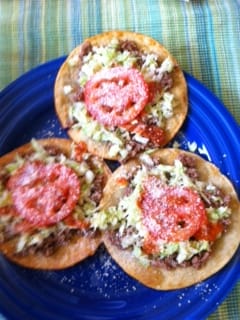
The same fried-tortilla idea moves across the whole region. You see it in Belize in garnaches and in the broader salbutes and panuchos family. The technique travels. The toppings tell you exactly where you are.
Honduran Enchiladas vs. Catrachas: They Are Not the Same Plate
Here is where people get tangled, and where many recipe blogs get it flat wrong. They hand you a recipe for Honduran enchiladas and call it catrachas. Those are two different plates.
A catracha is the simple cousin. A fried corn tortilla spread with refried red beans and crumbled queso fresco on top. That is the entire dish. No beef, no cabbage, no egg, no tomato sauce. The word “catracha” is the feminine nickname for a Honduran. It tells you how plain and how beloved that snack is. You do not need to do anything dramatic to it. Beans, cheese, crunchy tortilla, done.
A catracha is beans and cheese. An enchilada carries the whole load.
An enchilada carries the whole load. Seasoned beef, cabbage, tomato sauce, egg, and a heavy hand of cheese on a fried tortilla. Both share the same crunchy corn tortilla base. That is where the resemblance ends. If you order one expecting the other, you will know immediately. A cook from Honduras will tell you so without hesitating.
The distinction matters for a practical reason. If you search for Honduran enchiladas and land on a catracha recipe, you will fry up nine tortillas, spread beans, shower cheese, and think you made the wrong thing. You did not make the wrong thing. You made the wrong dish.
Tips for Keeping the Tortilla Crisp
- Fry in hot oil. If the oil is not shimmering before the tortilla goes in, the tortilla absorbs oil instead of crisping. You want the sizzle to start the moment it hits the pan.
- Drain flat. A paper-towel-lined rack is better than a plate. Air circulates underneath and the tortilla stays crisp longer.
- Assemble to order. The tortilla cannot hold the weight of the toppings for more than a few minutes before it softens. Build each plate as the person sits down, not in advance.
- Salt the cabbage early. Give the repollo at least 10 minutes to rest with the vinegar and salt. It loses its raw bite and stays bright green without wilting to mush.
On the Cheese
The real cheese is queso seco — the dry, salty grating cheese you find across Honduras. It is firm enough to grate fine, salty enough to season the whole plate when it falls across the warm beef. Outside Honduras, cotija is your closest match. Feta gives you that same salty tang if cotija is hard to find. Dry Parmesan will do in a pinch, though it pushes the flavor a little Italian. Whatever you use, grate it fine and use a heavy hand. The cheese is half the plate.
Frequently Asked Questions
What are Honduran enchiladas?
Honduran enchiladas (enchiladas hondureñas) are flat, open-faced fried corn tortillas built up in layers: cumin-spiced ground beef with potato, shredded cabbage, a thin tomato sauce, sliced hard-boiled egg, and grated queso seco. You eat them by hand, like a loaded tostada. They are not rolled, not folded, and not baked in sauce.
How do you make Honduran enchiladas?
Fry corn tortillas flat until crisp. Cook a seasoned ground-beef picadillo with onion, garlic, tomato, potato, and cumin. Salt shredded cabbage with vinegar and let it rest. Thin tomato paste with water into a drizzle-able sauce. Build each plate in order: beef, cabbage, egg slices, tomato sauce, heavy shower of grated queso seco. Serve right away so the tortilla stays crisp.
What is the difference between Honduran enchiladas and catrachas?
Catrachas are the simple version: a fried corn tortilla spread with refried red beans and crumbled queso fresco. No meat, no cabbage, no egg, no sauce. Enchiladas are the full loaded plate: seasoned beef, cabbage, tomato sauce, hard-boiled egg, and grated cheese on the same crunchy tortilla base. Both are street food across Honduras. Many recipe sites confuse the two. They are distinct dishes.
How are Honduran enchiladas different from Mexican enchiladas?
Mexican enchiladas are soft corn tortillas rolled around a filling, covered in chile sauce, and usually baked. Honduran enchiladas are flat, fried hard, and served open-faced (tostada style) with everything piled on top in plain sight. Same word, completely different plate.
What cheese is used on Honduran enchiladas?
The traditional cheese is queso seco, a Honduran dry grating cheese that is salty and firm. If you cannot find it, cotija is the closest substitute. Feta gives a similar salty tang. Dry Parmesan works in a pinch. Whatever you use, grate it fine and use plenty. The cheese does real seasoning work on this plate.
Can you make Honduran enchiladas ahead of time?
The beef, cabbage, tomato sauce, and boiled eggs all hold well in the refrigerator for a day. Fry the tortillas and assemble just before serving. A tortilla that sits under the toppings turns soft, and the crisp base is the whole point of the dish.
What are common regional variations of Honduran enchiladas?
In central Honduras, ground beef is standard. In the western regions, chicken replaces beef. Some cooks layer in slices of fried sweet plantain between the beef and cabbage. Others add chimol, the fresh tomato-onion relish, for brightness and acidity. The crunchy fried tortilla, the egg, and the queso seco stay constant everywhere.