The Honduran semita is a yeasted sweet bread, egg-yolk enriched, topped with a cookie-paste disk that bakes into a crisp sugar crust over a soft, pillowy interior. Sold in every Honduran panadería and pulpería, it is the bread Hondurans reach for with morning coffee and afternoon fresco — not a jam pastry, which is what the Salvadoran version is. Getting that distinction right is the whole story.
The definitive Honduran semita is the semita de yema: a round, egg-yolk-enriched yeasted roll topped with a thin disk of cookie dough that scores into a spiral or lattice before baking. The interior is soft and faintly sweet from rapadura (raw cane sugar). The exterior is brittle and sugared. Olanchito, in the Yoro Department, is the city most associated with it, and its version is considered the benchmark. A second major type, the semita de arroz, replaces part of the wheat flour with rice flour for a subtler crumb and a texture people describe as lighter. Both are fundamentally yeasted breads with a cookie topping. Not pastries. Not jam-filled.
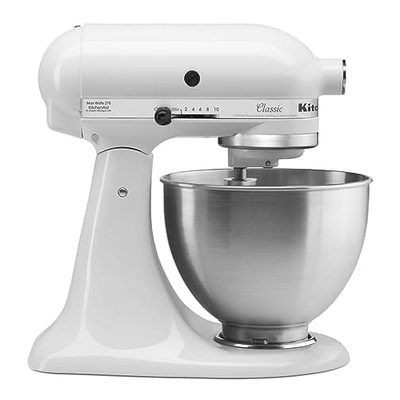
KitchenAid Classic Series 4.5 Quart Tilt-Head Stand Mixer K45SS, White
For batches that need real volume, wedding fruit cake or double-batch bread, a tilt-head stand mixer is the lifetime tool. Belizean celebration baking assumes this kind of capacity.
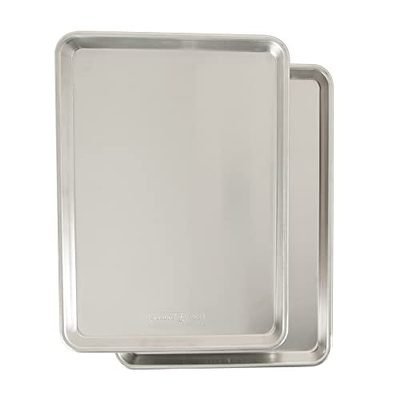
Nordic Ware Naturals Half Sheet — USA Made Aluminum Commercial Quality Sheet Pan, 2-Pack
Half-sheet aluminum is the right size for sheet-pan chicken, roasted plantains, or toasted cassava bread. Commercial-weight aluminum doesn't warp under the long roast.
The interior is soft and faintly sweet from rapadura. The exterior is brittle and sugared. A two-day-old semita dunked in coffee is not a consolation — it is the point.
Why the Honduran and Salvadoran Semitas Are Not the Same Bread
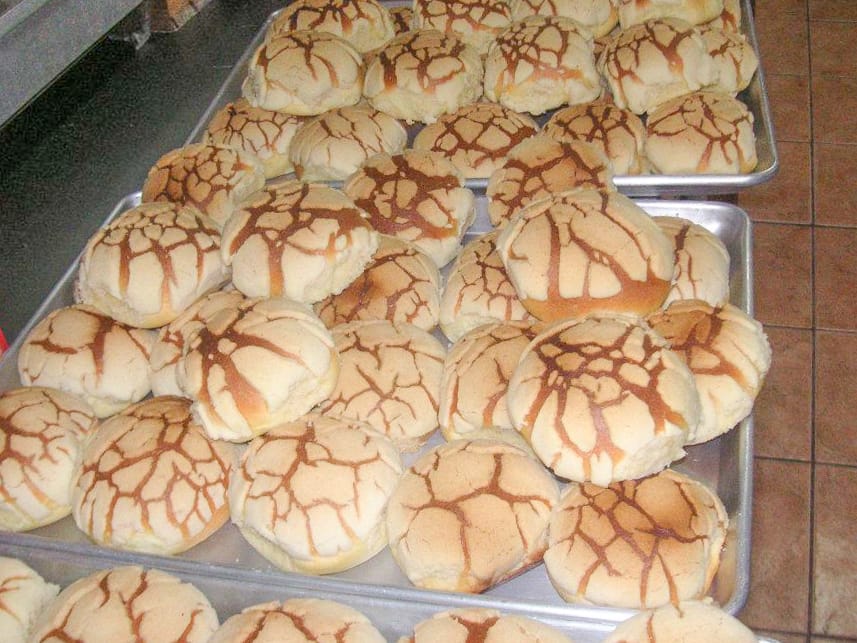
This is where a lot of recipe searches go wrong. The Salvadoran semita, semita de piña or semita pacha, is a jam-filled shortcrust pastry, pineapple or guava layered under a woven lattice top. It looks and bakes more like pie than bread. The Honduran semita is a completely different construction: a yeasted dough that rises twice, shaped into rounds, then fitted with a pre-rolled cookie-paste disk before baking. No jam. No lattice. No shortcrust.
The confusion is understandable because both countries use the word semita, both eat them with coffee, and both trace the name to the same Spanish root. “Semita” comes from the Spanish acemite, the bran-and-flour mix left after milling, by apheresis, the dropping of the initial a. It was originally the humble bran bread of the poor. A popular folk theory links the name to Semitic or Sephardic unleavened-bread traditions, and you will hear it repeated as fact. Linguists do not support it. The acemite root is the one with evidence behind it.
Inside Honduras, the semita itself diversifies: the semita de yema (egg-yolk enriched), the semita de arroz (rice-flour crumb), the semita pelona (plain, no topping paste), and the semita larga (elongated loaf format). The Olanchito version, associated with the Yoro Department, uses rapadura (raw, unrefined cane sugar) in both the dough and the topping, which gives it a deeper, caramel-edged sweetness that cane-white sugar cannot replicate. This bread has been sold in Honduran panaderías since at least 1910, when the first recorded production in Tegucigalpa was traced to two Spanish women who settled in the city. The oral tradition of passing the recipe mother to daughter has kept the exact proportions loose: Honduran bakers describe the process as all approximations, no exactitude, which is part of why bakery semitas from Olanchito taste different from the ones in San Pedro Sula, and both taste different from the ones made at home.
This is Mestizo Honduran baking at its most everyday and most loved. The semita belongs on the same table as baleadas and anafre: not a special-occasion item, but the bread that is simply always there, always right with coffee.
Ingredients
This makes about 12 semitas. The technique has two parts: the yeasted dough, and the cookie-paste topping (pasta) that goes on top of each shaped round before baking. Keep the topping paste cold so it rolls cleanly. The dough needs two rises. Do not skip the second one or the interior will be dense.
For the semita dough:
- 3 cups (375 g) all-purpose flour
- 2 teaspoons active dry yeast
- 1/3 cup (65 g) rapadura or piloncillo, finely grated (or substitute light brown sugar; the flavor will be milder)
- 3 egg yolks (the yema; this is what makes it a semita de yema)
- 1/2 cup (113 g) unsalted butter, softened
- 1/2 cup (120 ml) warm whole milk
- 1/4 teaspoon salt
- 1/2 teaspoon vanilla extract
For the cookie-paste topping (pasta de encima):
- 1 1/2 cups (188 g) all-purpose flour
- 3/4 cup (90 g) powdered sugar (confectioners’ sugar)
- 3/4 cup (170 g) unsalted butter, cold, cubed
- 1/2 teaspoon vanilla extract
- 1–2 tablespoons cold water, as needed
For finishing:
- 2 tablespoons granulated sugar, for sprinkling over the scored tops
For the semita de arroz variation: Replace 3/4 cup of the all-purpose flour in the dough with 3/4 cup fine white rice flour. The crumb will be slightly lighter and the flavor more delicate.
Instructions
- Dissolve the yeast in the warm milk with a pinch of the rapadura or sugar and let it sit for 5 to 10 minutes until foamy. If it does not foam, the yeast is dead. Start over with fresh yeast.
- In a large bowl or stand mixer, combine the flour and salt. Add the yeast mixture, egg yolks, softened butter, remaining rapadura, and vanilla. Mix on low until the dough comes together, then increase speed and knead for 5 to 8 minutes until the dough is smooth, soft, and pulls away from the bowl sides. It will be slightly sticky. Resist adding too much flour, which will make the interior dense.
- Shape the dough into a ball, place it in a lightly oiled bowl, cover with a clean towel, and let it rise in a warm spot for 60 to 90 minutes, until doubled.
- While the dough rises, make the topping paste: beat the cold butter and powdered sugar together until creamy. Add the vanilla. Gradually add the flour, mixing until the paste is thick and holds together. Add cold water one tablespoon at a time only if it is too dry to hold. Refrigerate the paste until the dough is ready.
- Punch down the risen dough and divide it into 12 equal pieces, about 60 g each. Roll each piece into a smooth ball and place on lined baking sheets, spaced 2 inches apart. Cover loosely and let rise again for 45 to 60 minutes, until noticeably puffed.
- Heat the oven to 350°F (175°C).
- Pull the topping paste from the refrigerator. Working between two sheets of parchment, roll it thin, about 3mm, and cut out 12 rounds slightly smaller than the bread balls (a 3-inch cutter works). Lay one paste disk gently on top of each risen dough ball, pressing lightly so it adheres. Score the top of the paste with a knife in a diagonal grid, a spiral, or seashell lines. Traditional bakeries each have their own pattern. Score through the paste only, not into the bread.
- Sprinkle the granulated sugar over the scored tops.
- Bake 20 to 25 minutes, until the paste topping is pale gold and firm and the undersides of the rolls are lightly golden. The topping should not brown. If it colors too fast, lay a sheet of foil loosely over the tray for the last 5 minutes.
- Cool on the tray for 10 minutes before moving. The topping is fragile when hot and sets as it cools. Eat the same day for the best crust contrast; by day two the topping softens slightly and the bread is at its best dunked in coffee.
The Cookie Topping: Why It Matters More Than It Looks
The defining move of the Honduran semita is not the dough: it is the pasta de encima, the cookie-paste disk placed on top of each risen roll before it goes into the oven. Shortbread-like in texture, it bakes into a crisp, sugared shell over the soft bread underneath. The contrast between the two layers is the whole experience: the crunch of the crust against the tender crumb, the faint bitterness of rapadura sugar against the richness of egg yolk. Without the paste topping, you have a dinner roll. With it, you have a semita.
The scoring pattern on the paste is bakery identity. In Olanchito, patterns vary by family and by shop (spiral, diagonal cross-hatch, the shell caracol), and a regular customer can often tell which panadería made a semita before tasting it. Honduran bakers describe this as all approximations, no exactitude. The recipe is an oral tradition, passed without written measurements, which is why every baker’s semita tastes slightly different and why the Olanchito ones are still considered the benchmark.
Without the paste topping, you have a dinner roll. With it, you have a semita.
Two rules keep the topping right. First, keep the paste cold so it rolls without sticking and holds its shape on top of the risen dough ball. A warm paste spreads and loses the scored pattern in the oven. Second, do not overbake: the topping goes from pale gold to tan to cracked too quickly, and a tan topping tastes bitter rather than sweet. Pull it at pale gold.
Storage is the same as any pan dulce: room temperature in a tin or covered container, three to four days. The crust softens after the first day, which is exactly why dunking a day-old semita in coffee is not a consolation. It is the intended use.
Frequently Asked Questions
What is a Honduran semita?
A Honduran semita is a yeasted sweet bread roll with a cookie-paste topping (pasta de encima) that bakes into a crisp, scored crust over a soft egg-yolk-enriched interior. It is sold in every Honduran panadería and pulpería and eaten with coffee or an afternoon fresco. The Olanchito version, from the Yoro Department, is considered the regional benchmark. It is not the same as the Salvadoran semita, which is a jam-filled shortcrust pastry.
What is the difference between Honduran and Salvadoran semita?
They are different constructions. The Honduran semita is a yeasted sweet bread roll topped with a cookie-paste disk that bakes into a crunchy crust. The Salvadoran semita de piña is a shortcrust pastry filled with pineapple or guava jam and topped with a woven lattice, closer to a tart or pie in structure. Both use the name semita and both trace it to the same Spanish root word, but the technique, texture, and eating experience are not the same.
What is the difference between semita de yema and semita de arroz?
Both are yeasted Honduran semitas with the same cookie topping, but the dough differs. Semita de yema is enriched with egg yolks, which gives it a richer, slightly golden crumb. Semita de arroz replaces a portion of the wheat flour with rice flour, producing a lighter, more delicate crumb with a subtler sweetness. Both are traditional; both are sold side by side in Honduran bakeries.
What makes the Olanchito semita famous?
Olanchito, in the Yoro Department of Honduras, has been associated with semita baking since at least the early 20th century. The Olanchito version uses rapadura (raw, unrefined cane sugar) in both the dough and the topping, giving it a deeper caramel sweetness that refined sugar cannot replicate. The recipe is an oral tradition passed without written measurements, so each bakery’s version differs slightly, and that variation is part of what makes Olanchito semitas a point of regional pride.
Why is it called semita?
The word comes from the Spanish acemite, the bran-and-flour mix left after milling, by apheresis: the dropping of the first vowel. It was originally a humble bran bread made from what was left after finer flour was sifted out. A popular folk theory links the name to Semitic or Sephardic bread traditions; linguists do not support that story. The acemite root is the one with evidence behind it.
How long does Honduran semita keep?
Three to four days at room temperature stored in a tin or covered container. The cookie topping is crispest on the day it is baked and softens by day two, when the bread is at its best dunked in coffee. For longer storage, wrap pieces individually and freeze, then bring to room temperature before eating.
Can I make semita without rapadura?
Yes. Substitute light brown sugar in the same quantity. The bread will be slightly sweeter and less complex (the molasses depth that rapadura brings will be missing), but the structure and technique are identical. Piloncillo, grated fine, is the closest substitute and is sold in Latin grocery stores across the US and Central America.
More Honduran Recipes
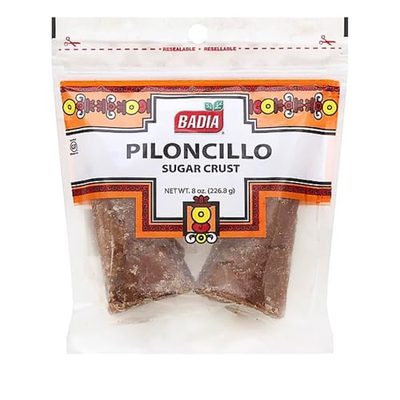
Unrefined cane sugar in cone form, the panela these syrups and sweets are built on.
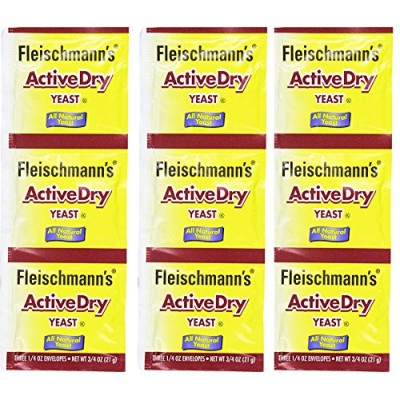
Fleischmann’s Active Dry Yeast, 0.25 oz Packets (9-Count)
Standard quarter-ounce packets — one packet is exactly what pan de coco calls for.