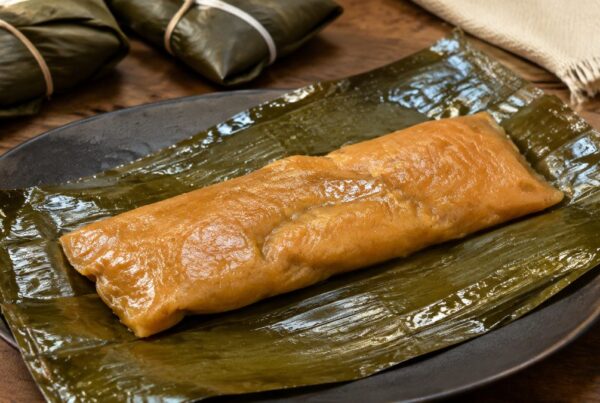
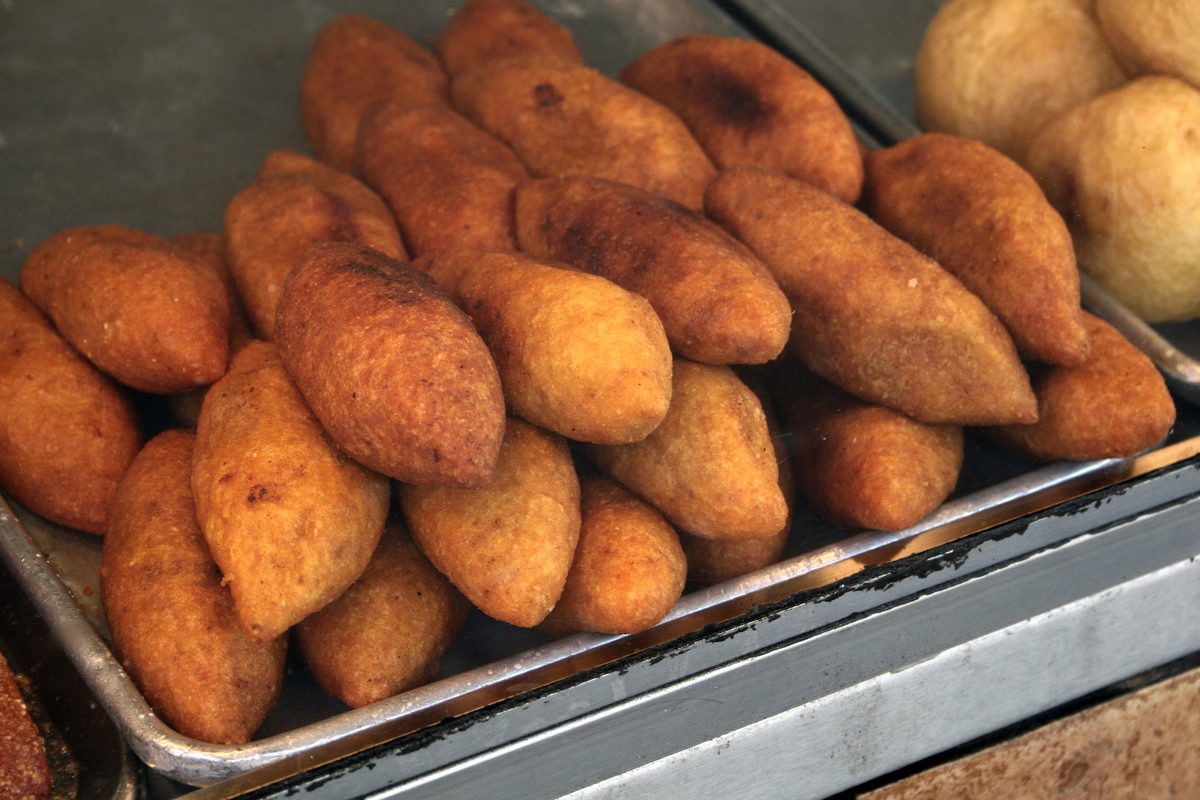
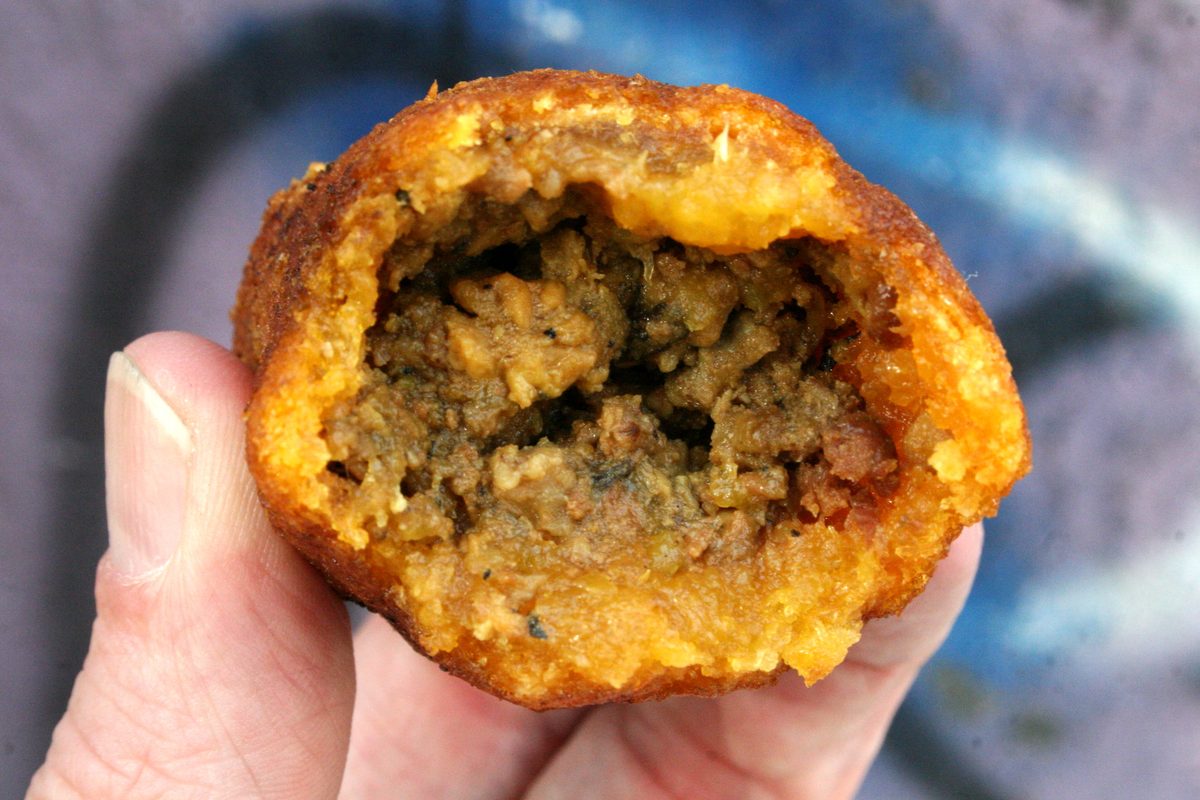
Alcapurrias are Puerto Rico’s kiosk fritter: a masa of grated green banana and yautia, stained orange with annatto, wrapped around seasoned ground beef and deep fried until the shell goes hot and brittle. They are one of the most popular items at cuchifritos counters, and they turn up at roadside kiosks and in restaurants alike (source).
The masa has to go cold before it goes near oil. Skip that and they fall apart in the pot.
What is an alcapurria?
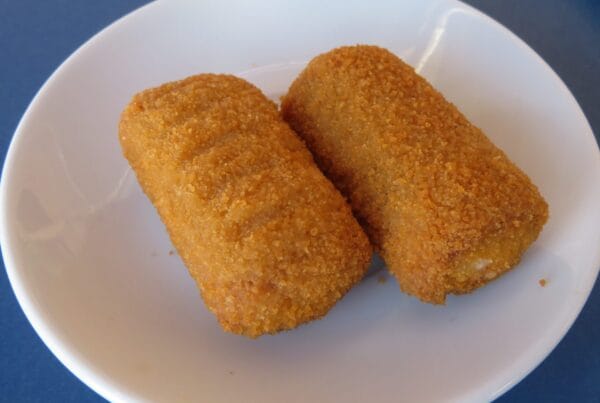
A stuffed fritter, torpedo-shaped, about the length of your hand. The masa is made primarily of green banana and grated yautia, sometimes with squash, and it is seasoned with lard or oil, annatto, garlic and salt. The annatto is what gives it the yellow-orange color (source).
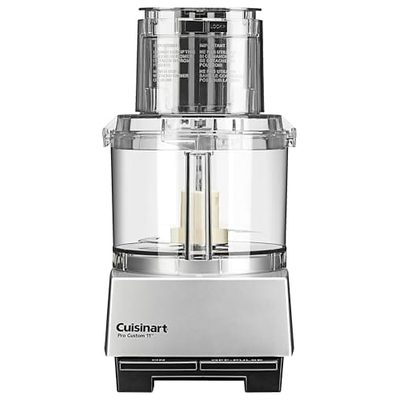
Cuisinart Pro Custom 11-Cup Food Processor with Slicing & Shredding Discs (DLC-8SBCYP1)
The masa is grated green banana and yautia, and grating enough for a batch by hand is the long part of the afternoon. A shredding disc takes it down to minutes, and a large bowl holds the whole batch without stopping to empty it.
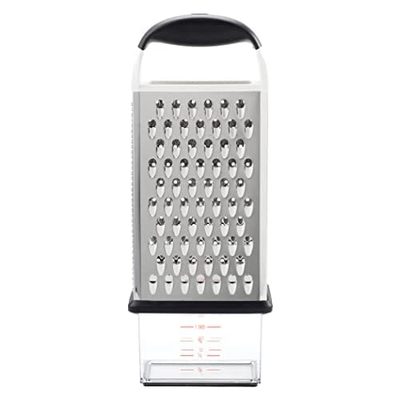
Fresh coconut and hard cheese both want a four-sided box grater: finer than a rasp for cheese, coarser than a food processor for coconut.
The filling is usually picadillo with diced potato, or corned beef. Longaniza, blood sausage, braised meat, cheese, seafood and vegetables all show up too (source). Crab is the version people get sentimental about.
There is an argument that the shape and the stuffed-fritter idea carry an echo of Middle Eastern kibbeh, brought by Levantine and Turkish migration across Latin America (source). Worth knowing. Not worth arguing about at a kiosk.
The two things that go wrong
Warm masa. The dough is refrigerated for several hours to reach a solid consistency (source), and cooks who skip it watch their alcapurrias open up in the oil. Three to four hours in the fridge is the fix and there is no shortcut around it.
Too much achiote. A heavy hand with the annatto looks right in the bowl and fries almost black. The color you want in the raw masa is a warm orange, not red.
What you need for Puerto Rican alcapurrias
For the masa
- 8 green bananas (guineos verdes)
- 1 lb (450 g) yautia, peeled
- 1 green plantain
- 1/3 cup (80 ml) annatto oil
- 2 tsp (12 g) fine salt
- 1 tsp (5 g) adobo seasoning
For the picadillo
- 1 lb (450 g) ground beef
- 1/2 cup (120 ml) sofrito
- 1 small potato, cut into 1/4 inch dice
- 1/2 cup (120 ml) tomato sauce
- 1 packet sazon con achiote
- 1 tsp (2 g) dried oregano
- 1/4 cup (45 g) pitted green olives with pimiento, chopped, plus 1 tbsp capers
- Salt and black pepper
For frying
- 4 cups (950 ml) neutral oil, or lard
Green banana can be swapped for breadfruit, cassava, taro or yellow plantain, and squash can go into the masa as well (source). The yautia is what makes the texture, so that one stays.
How long alcapurrias take
| Cooking the picadillo | 25 minutes |
| Peeling and grinding the masa | 40 minutes |
| Chilling the masa | 3 to 4 hours, not optional |
| Forming and frying 14 | 40 minutes |
How to make Puerto Rican alcapurrias
- Make the picadillo first. Brown the beef, add the sofrito, sazon, oregano and tomato sauce, then the diced potato. Simmer about 20 minutes until the potato is soft and the mixture is thick, not wet. Stir in the olives and capers, then let it cool completely.
- Soak and peel. Score the green bananas and plantain and soak them in hot water for 10 minutes so the skins come away.
- Grind the masa. Put the bananas, plantain and yautia through a food processor or the fine side of a box grater until smooth. It should look like a thick paste with no fibrous strings left.
- Season and color it. Beat in the annatto oil, salt and adobo. Stop at a warm orange. Raw masa that looks red will fry almost black.
- Chill it hard. Cover and refrigerate 3 to 4 hours. This is the step that decides whether they hold together, and no amount of care later makes up for skipping it.
- Form them wet-handed. Wet your hands, take about a third of a cup of masa, flatten it in your palm into an oval, spoon a line of cold picadillo down the middle, then fold the masa over and seal the edges completely. A greased sheet of foil under your hand makes the fold easier if the masa fights you.
- Heat the oil to medium high. About 350F (175C). Too cool and they drink oil, too hot and the outside darkens before the masa cooks.
- Fry until they float and go golden. Three or four at a time so the oil holds its heat. Turn them once. Six to eight minutes.
- Drain and eat hot. Onto a rack, not paper, and eat them while the shell is still brittle. They lose that within the hour.
Tips and variations
- Crab instead of beef. Alcapurrias de jueyes are their own thing and worth the trouble if you can get good crab meat. Season it the same way, and keep the filling drier than you think.
- Corned beef is not a shortcut. It is one of the two most typical fillings on the island, not a compromise version.
- Wet hands, always. The masa sticks to dry skin and tears. Keep a bowl of water beside you and dip between each one.
- Baked, if you must. Alcapurrias horneadas exist and are a real preparation. They will not be brittle.
- Freeze them formed, not fried. Lay them on a tray until solid, bag them, and fry from frozen with an extra couple of minutes.
What to eat them with
At a kiosk they come in a paper bag with bacalaitos, sorullitos and a cold drink, and that is the correct context. At home they work as the opening act before pernil and arroz con gandules.
The same masa, spread rather than stuffed and boiled rather than fried, becomes pasteles. Learning one teaches you the other. Swap the green banana for potato and the same stuffing trick gives you rellenos de papa.
Nutrition
Estimated, for one alcapurria of 14, based on the amounts above and standard ingredient labels. Fried food absorbs a variable amount of oil, so treat the fat number as a range.
| Calories | 250 kcal |
| Protein | 8 g |
| Fat | 13 g |
| Carbohydrates | 26 g |
| Fiber | 3 g |
| Sodium | 390 mg |
Storing alcapurrias
Fried ones keep two days in the refrigerator and reheat acceptably in a hot oven or an air fryer. A microwave turns them to putty.
Raw formed alcapurrias freeze well for a couple of months and fry straight from frozen. That is the version worth planning for, because the work is in the grinding and it scales.
Photographs by Eating In Translation, CC BY 2.0, via Wikimedia Commons.
Equipment you will want
- A food processor, or a box grater and patience.
- A deep heavy pot for frying, and a thermometer if you have one.
- A spider or slotted spoon.
- A cooling rack. Draining on paper steams the bottoms soft.
- A bowl of water for your hands, and foil if you want help folding.
Alcapurria questions, answered
What is alcapurria masa made of?
Primarily green banana and grated yautia, sometimes with squash, seasoned with lard or oil, annatto, garlic and salt (source). Green banana can be replaced with breadfruit, cassava, taro or plantain.
Why do my alcapurrias fall apart in the oil?
The masa was not cold enough or the seam was not sealed. Refrigerate the dough three to four hours until it is genuinely firm, and pinch the edges closed all the way around before it goes anywhere near the pot.
Do I have to use yautia?
Use it if you can find it. Yautia gives the masa its body and its slight stickiness, and an all-banana version fries softer and blander. Taro or cassava are the closest substitutions.
Why did mine come out almost black?
Too much annatto. The oil deepens the color considerably as it fries, so the raw masa should be a warm orange rather than red. Cooks treat an over-dark alcapurria as a sign of a heavy hand, not of good seasoning.
What is the difference between an alcapurria and a pastelillo?
A pastelillo is a folded pastry turnover with a thin wheat dough. An alcapurria is a root-vegetable masa moulded around the filling by hand. Different dough, different shape, different texture entirely.
Can alcapurrias be baked?
Yes. Alcapurrias horneadas are a real preparation (source). They come out softer, without the brittle fried shell, which for a lot of people is the whole point of the dish.
What fillings are traditional?
Picadillo with diced potato and corned beef are the two most typical. Longaniza, blood sausage, braised meat, cheese, seafood and vegetables all appear as well (source), and crab is a favourite on the coast.
Can I make the masa ahead?
Yes, and it wants the time anyway. The masa needs several hours cold, and it holds overnight. Formed, unfried alcapurrias freeze for months.
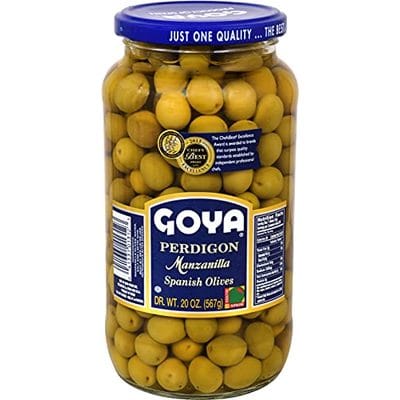
Goya Perdigon Manzanilla Spanish Olives
Queso relleno picadillo needs olives, capers, and raisins working against the pork. Manzanillas are the small, firm grade that hold their shape through the stuffing and the steam.
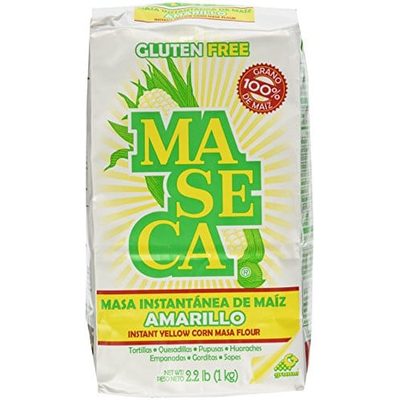
Maseca brand yellow corn masa harina, pre-ground and treated for immediate use in dough for tortillas, tamales, and other corn dough applications.
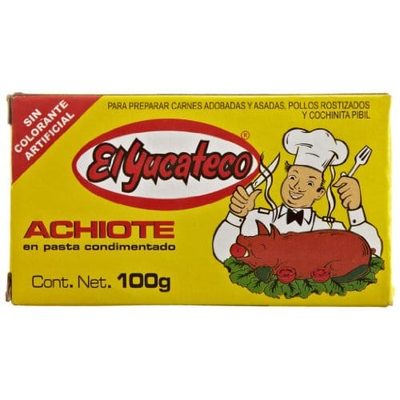
Cochinita pibil, poc chuc, and escabeche all start with red recado. A prepared achiote paste dissolves into sour orange in minutes instead of the hour it takes to grind annatto, oregano, and clove from seed.