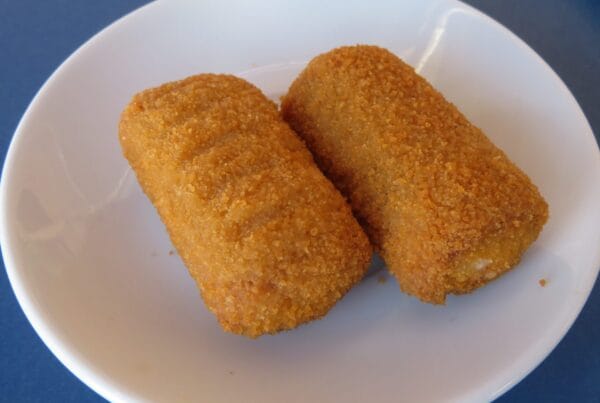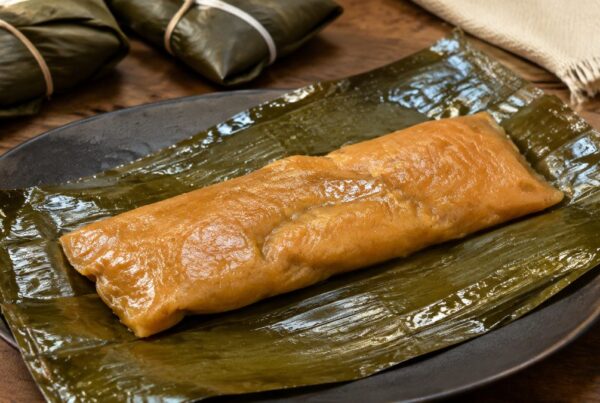
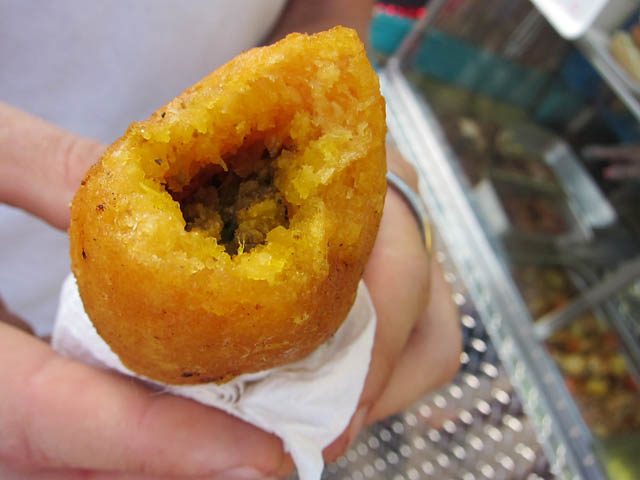
A relleno de papa is a ball of seasoned mashed potato wrapped around picadillo and deep fried. In Puerto Rico the potatoes are boiled, mashed with cornstarch and seasoning, stuffed with meat or cheese, then coated and fried (source). Crisp outside, soft and meaty inside, and gone in three bites.
Warm potato dough will not hold a filling. Every cook who makes these well says the same thing: let it cool completely.
What is a relleno de papa?
Stuffed potato croquettes turn up across Latin America and the Caribbean under the name papa rellena, with the Puerto Rican and Cuban versions the best known in the region (source). Puerto Rico calls the dish relleno de papa, and the filling is usually picadillo: ground beef cooked down with sofrito, tomato and olives.
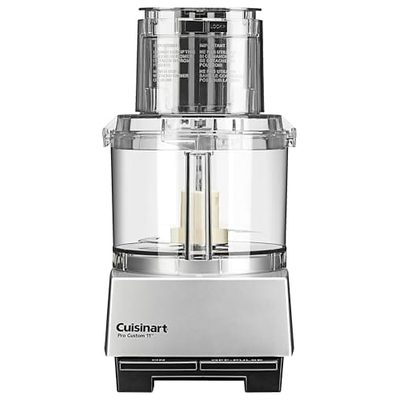
Cuisinart Pro Custom 11-Cup Food Processor with Slicing & Shredding Discs (DLC-8SBCYP1)
The picadillo starts with sofrito, and sofrito means peppers, onion, garlic and cilantro chopped fine. A processor bowl takes the batch in one pass. Mash the potatoes by hand, though, since a processor turns them to paste.
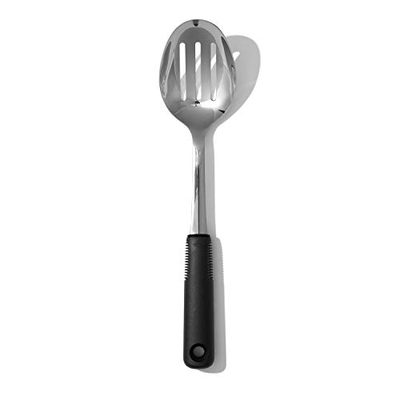
OXO Good Grips Stainless Steel Slotted Spoon
Lifting beans out of cooking liquid or scooping panades from oil needs holes that drain without trapping. A long handle keeps a hand above the pot.
The detail that separates the Puerto Rican version from its neighbours is cornstarch. It goes into the mash, not just onto the outside, and it is what lets a potato dough hold together in hot oil instead of dissolving into it.
Cooks disagree about the coating. Some finish with an egg wash and breadcrumbs, some roll the ball in plain cornstarch and nothing else. Both fry up fine. The cornstarch version tastes more of potato, the breadcrumb version has a harder shell.
Cool the masa, or nothing works
This is the whole recipe in one instruction. Mash the potatoes hot, because that is when butter and cornstarch blend in smoothly, then spread the mash out and let it go completely cold. An hour in the refrigerator is not too much.
Warm masa sticks to your hands, tears when you press a hollow into it, and splits open in the oil. Cold masa handles like modelling clay: you can flatten it, load it, and close it over the filling without a seam showing.
The filling has to be cold too. Hot picadillo steams inside the potato and blows the ball apart.
What you need for Puerto Rican rellenos de papa
For the potato masa
- 3 lb (1.4 kg) russet or Yukon Gold potatoes, peeled and cut into even chunks
- 1 tbsp (18 g) salt, for the boiling water
- 1/3 cup (45 g) cornstarch, plus about 1 cup (135 g) more for coating
- 3 tbsp (42 g) butter
- 1 large egg yolk
- 1 tsp (5 ml) annatto oil, optional, for colour
- 1 tsp (6 g) fine salt, or to taste
For the picadillo
- 1 lb (450 g) ground beef
- 1/3 cup (80 ml) sofrito
- 1/4 cup (60 ml) tomato sauce, or 1 tbsp (16 g) tomato paste loosened with water
- 2 tbsp (20 g) sliced manzanilla olives, with a few capers if you like
- 1 tsp (4 g) adobo seasoning
- 1/2 tsp (1 g) dried oregano
- 1 tsp (2 g) ground annatto, or one packet of sazon
- Neutral oil, about 3 in (8 cm) deep in the pot, for frying
How long rellenos de papa take
| Prep | 30 minutes |
| Cooking | 40 minutes |
| Cooling the masa and filling | 1 to 2 hours |
| Total | about 3 hours |
| Makes | 10 rellenos |
The cooling is unattended time, and both the masa and the picadillo can be made the day before.
How to make Puerto Rican rellenos de papa
- Boil the potatoes. Cover the chunks with cold salted water, bring to a boil, and cook until a fork slides through with no resistance, about 20 minutes. Drain them well and let the steam blow off for a minute.
- Mash while hot. Mash with the butter, the 1/3 cup of cornstarch, the salt and the annatto oil if you are using it, until the masa is smooth with no lumps.
- Cool it completely. Spread the masa in a shallow dish, cover, and refrigerate at least an hour. Stir in the egg yolk once it is cold.
- Cook the picadillo. Brown the beef in a wide pan, breaking it up. Add the sofrito and cook two minutes, then the tomato, olives, adobo, oregano and annatto. Simmer until the liquid is nearly gone, about 15 minutes. Cool it in the refrigerator.
- Shape the shells. Take about 1/3 cup of cold masa, roll it into a ball between damp hands, then press a deep hollow into the centre with your thumb, working the walls thin and even.
- Fill and close. Spoon in a heaped tablespoon of picadillo, fold the masa up and over, and pinch it shut. Roll it lightly in your palms until the surface is smooth and there is no visible seam.
- Coat. Roll each ball in cornstarch and tap off what does not stick. For a harder shell, dip in beaten egg first and then in breadcrumbs.
- Check the oil. Heat the oil to about 350°F (175°C). Drop one relleno in first. It should sit in a steady cloud of small bubbles and colour slowly, not brown in seconds.
- Fry in batches. Three or four at a time, turning once, until deep golden brown all over, roughly 5 minutes. Crowding the pot drops the temperature and makes them greasy.
- Drain and serve hot. Rest them on a rack, not paper, so the bottoms stay crisp.
Tips and variations
- Egg, yolk, or nothing. Some cooks bind the masa with a whole egg, some with the yolk alone for colour and fat without extra water, and some use no egg at all and lean on the cornstarch. All three are in regular use.
- Colour the dough. A spoonful of annatto oil turns the masa a warm yellow. Left plain it stays the pale colour of the potatoes, which is just as traditional.
- Other fillings. Ground turkey works. So does corned beef, and so does cheese on its own (source).
- Damp hands beat floured hands. Water keeps the masa from sticking without drying the surface out, which is what causes cracks.
- Freeze them raw. Shape, coat, freeze on a tray, then bag. Fry from frozen at a slightly lower temperature so the centre heats through.
Where it sits on the table
A relleno de papa is finger food. It comes out of the fryer with alcapurrias and bacalaitos, eaten standing up with a napkin, and two of them make a lunch.
The same idea travels. Cuba stuffs its potato balls with Cuban picadillo, and the version sold in Miami and Tampa comes from there; Peru fills its papa rellena with beef, onion, olives and hard-boiled egg and serves it with salsa criolla (source). Same croquette, three different kitchens.
Nutrition
Estimated, for one relleno of 10, based on the amounts above and standard ingredient labels.
| Calories | 320 kcal |
| Protein | 12 g |
| Fat | 17 g |
| Carbohydrates | 30 g |
| Sugar | 2 g |
| Sodium | 520 mg |
Storing rellenos de papa
Fried ones keep two days in the refrigerator. Reheat them in an oven or air fryer at 375°F (190°C) for about ten minutes. A microwave turns the shell soft and the potato gluey.
Raw shaped rellenos freeze for three months and are the better thing to keep. The masa also holds three days in the refrigerator on its own.
Equipment you will want
- A deep heavy pot for frying, and a thermometer if you have one.
- A potato masher. A food processor turns boiled potatoes into paste.
- A wide shallow dish for cooling the masa fast.
- A spider or slotted spoon, and a cooling rack.
Rellenos de papa questions, answered
Why do my rellenos fall apart in the oil?
Almost always warm masa, warm filling, or a seam that was not sealed. Chill both, close the ball fully, and roll it smooth before it goes anywhere near the pot.
Do I need cornstarch in the potato?
Yes. Cornstarch in the mash is what makes the Puerto Rican version hold its shape while frying (source). Flour is not a good substitute here.
Is relleno de papa the same as papa rellena?
They are the same family of stuffed potato croquette. Puerto Rico uses the name relleno de papa; papa rellena is the wider Latin American name, and each country fills and coats it differently (source).
Can I bake or air fry them?
An air fryer at 380°F (195°C) with a spray of oil gives a decent shell in about 15 minutes. It will not be the same crust, since the dish is built around deep frying, but it works.
What potatoes are best?
Starchy ones. Russets mash dry and fluffy, which is what you want. Waxy potatoes hold water and make a masa that slumps.
How do I know when the oil is ready without a thermometer?
Lower one relleno in. If it raises a steady curtain of fine bubbles around itself and drifts rather than sits, the oil is right. Violent bubbling means it is too hot.
Can I make them ahead for a party?
Shape and coat them a day ahead and keep them covered in the refrigerator, or freeze them. Fry them the same hour you serve them, because these are worst at room temperature.
Photograph by Jason Lam, CC BY-SA 2.0, via Wikimedia Commons. It shows a Puerto Rican relleno de papa opened to the picadillo inside.
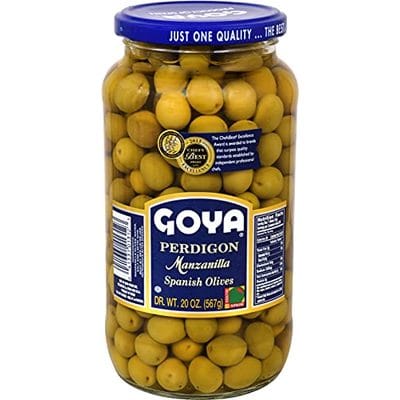
Goya Perdigon Manzanilla Spanish Olives
Queso relleno picadillo needs olives, capers, and raisins working against the pork. Manzanillas are the small, firm grade that hold their shape through the stuffing and the steam.
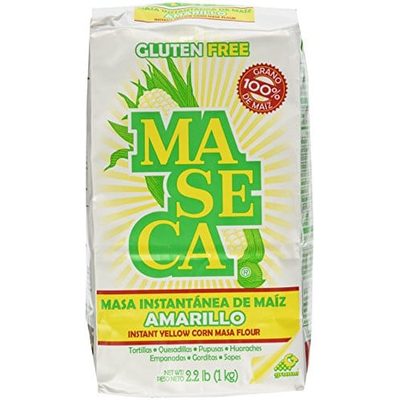
Maseca brand yellow corn masa harina, pre-ground and treated for immediate use in dough for tortillas, tamales, and other corn dough applications.
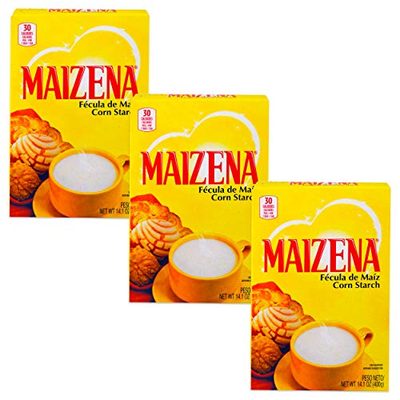
Maizena Corn Starch, 14.10 Ounces (14.1 Ounce (Pack of 3))
Cornstarch is what Belizean cooks reach for to thicken the meat pie filling.
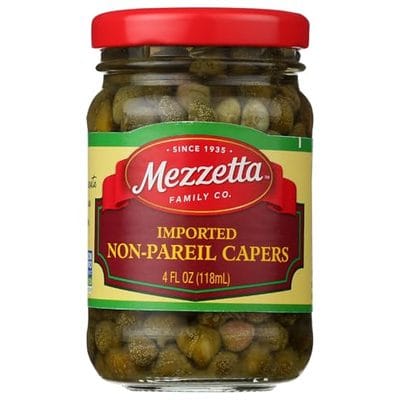
The smallest caper grade, and the one queso relleno picadillo calls for. Bigger capers turn to mush in the filling; non-pareils keep their brine-sharp bite against the raisins.