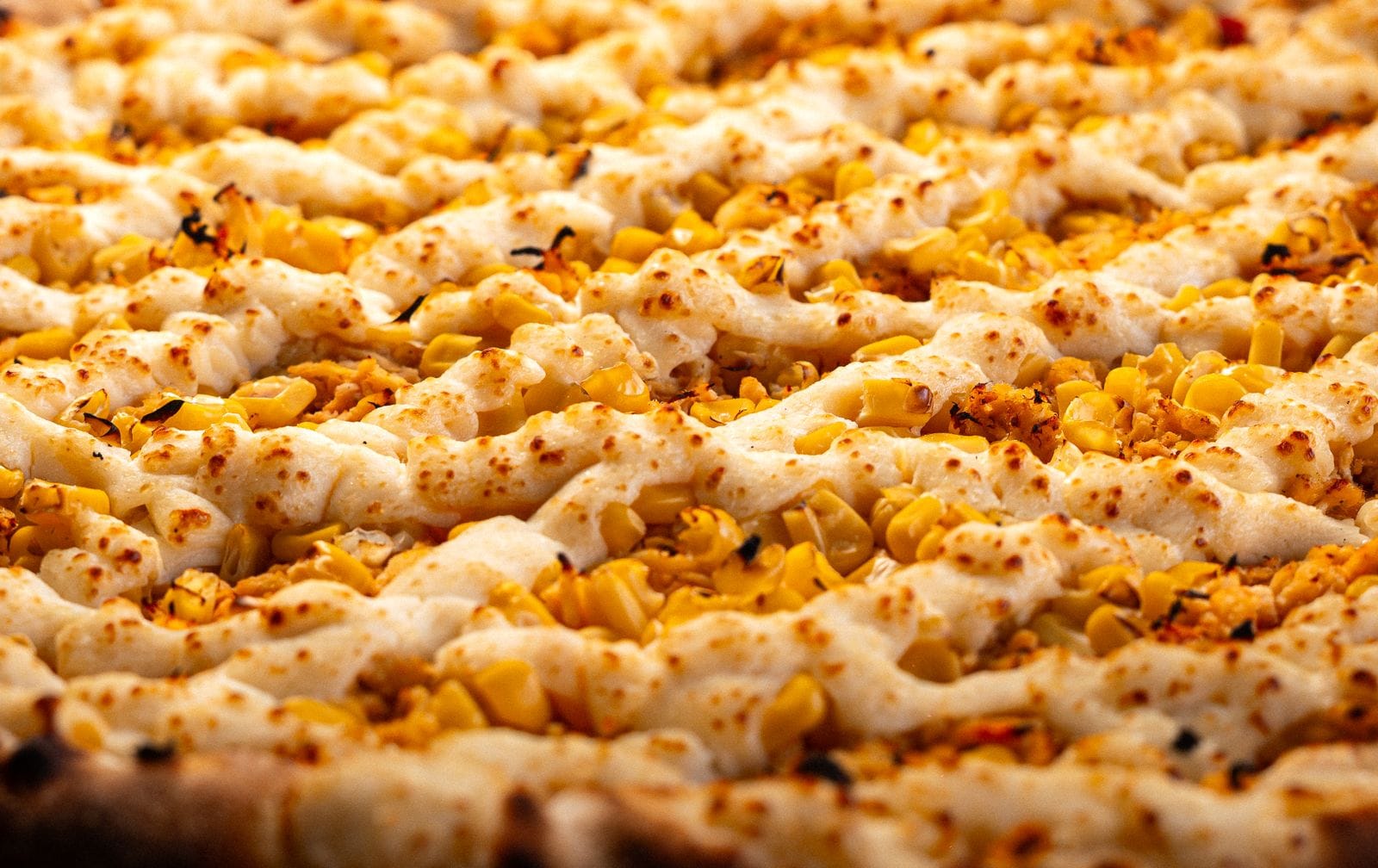
Tustacas are a sweet Honduran corn cookie made from masa harina kneaded with fresh cuajada cheese, filled with grated dulce de rapadura, and baked until dry and crisp. They are not a tortilla dish, not a savory snack, and not a catracha. They are a cookie — baked in a clay oven fired with ocote wood in the workshops of Sabanagrande, eaten at merienda with a cup of hot coffee. If someone hands you a tustaca and it is savory, they gave you the wrong thing.
Honduras’s tortilla snacks are easy to mix up. Here is how catracha, baleada, enchilada, and tustaca differ.
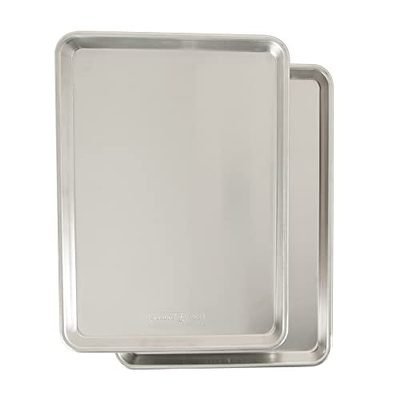
Nordic Ware Naturals Half Sheet — USA Made Aluminum Commercial Quality Sheet Pan, 2-Pack
Half-sheet aluminum is the right size for sheet-pan chicken, roasted plantains, or toasted cassava bread. Commercial-weight aluminum doesn't warp under the long roast.
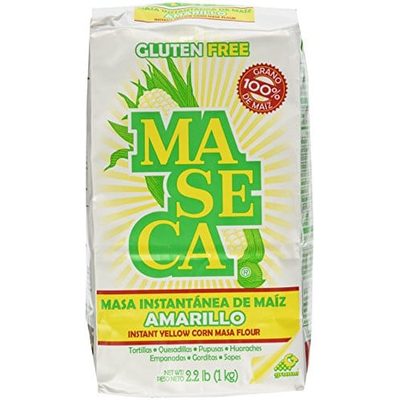
Maseca brand yellow corn masa harina, pre-ground and treated for immediate use in dough for tortillas, tamales, and other corn dough applications.
Ingredients
This makes about 18 tustacas. The dough should feel firm and a little sandy, like a cookie dough that has cheese worked through it, because that is exactly what it is.
- 2 cups (about 250 g) masa harina (instant corn flour, the same kind used for tortillas)
- 1/2 pound (about 225 g) fresh cuajada, crumbled (substitute queso seco, dry cotija, or a blend of farmer cheese with a little cotija for salt)
- 3 large eggs
- 3 tablespoons (about 45 g) butter, softened (traditionally mantequilla rala, a thin cultured butter common in Honduras; regular softened butter works)
- 1 teaspoon baking powder
- 1/2 teaspoon salt
- About 1/2 cup grated dulce de rapadura (panela or piloncillo), for filling and topping
- Warm water as needed, a few tablespoons at most
A note on the cheese, because it is the part most people outside Honduras get wrong. The cuajada goes into the dough. It is not a topping. That fresh, faintly salty curd is what gives a tustaca its texture and its quiet savory note under all the sweetness. If you cannot find cuajada, queso seco is the closest stand-in.
Instructions
- Heat the oven to 325°F (165°C) and line a baking sheet with parchment.
- In a large bowl, stir together the masa harina, baking powder, and salt.
- Crumble in the cuajada and rub it through the dry flour with your fingers until it is evenly distributed. No large clumps.
- Beat the eggs lightly, then add them and the softened butter to the bowl.
- Mix to a firm, smooth dough. Add warm water one tablespoon at a time only if it stays crumbly. Keep it on the dry side. A wet dough will not crisp.
- Divide the dough into about 18 equal balls.
- Flatten each ball into a round disc about a third of an inch thick, like a small thick tortilla.
- Press a shallow well in the center of each disc with your thumb or the back of a spoon.
- Spoon about a teaspoon of grated rapadura into the well, then scatter a little more across the top surface.
- Crimp the edge all the way around with the tines of a fork for the traditional ridged rim.
- Bake 30 to 35 minutes, until the edges are golden and the surface looks dry.
- Let them cool fully on the sheet before you move them. The rapadura is still molten in the oven; it is only as the cookie cools to room temperature that the sugar sets and the corn dries into that dry, crunchy snap.
That last step is the one people skip, and then they wonder why their tustacas came out soft. Wait for it.
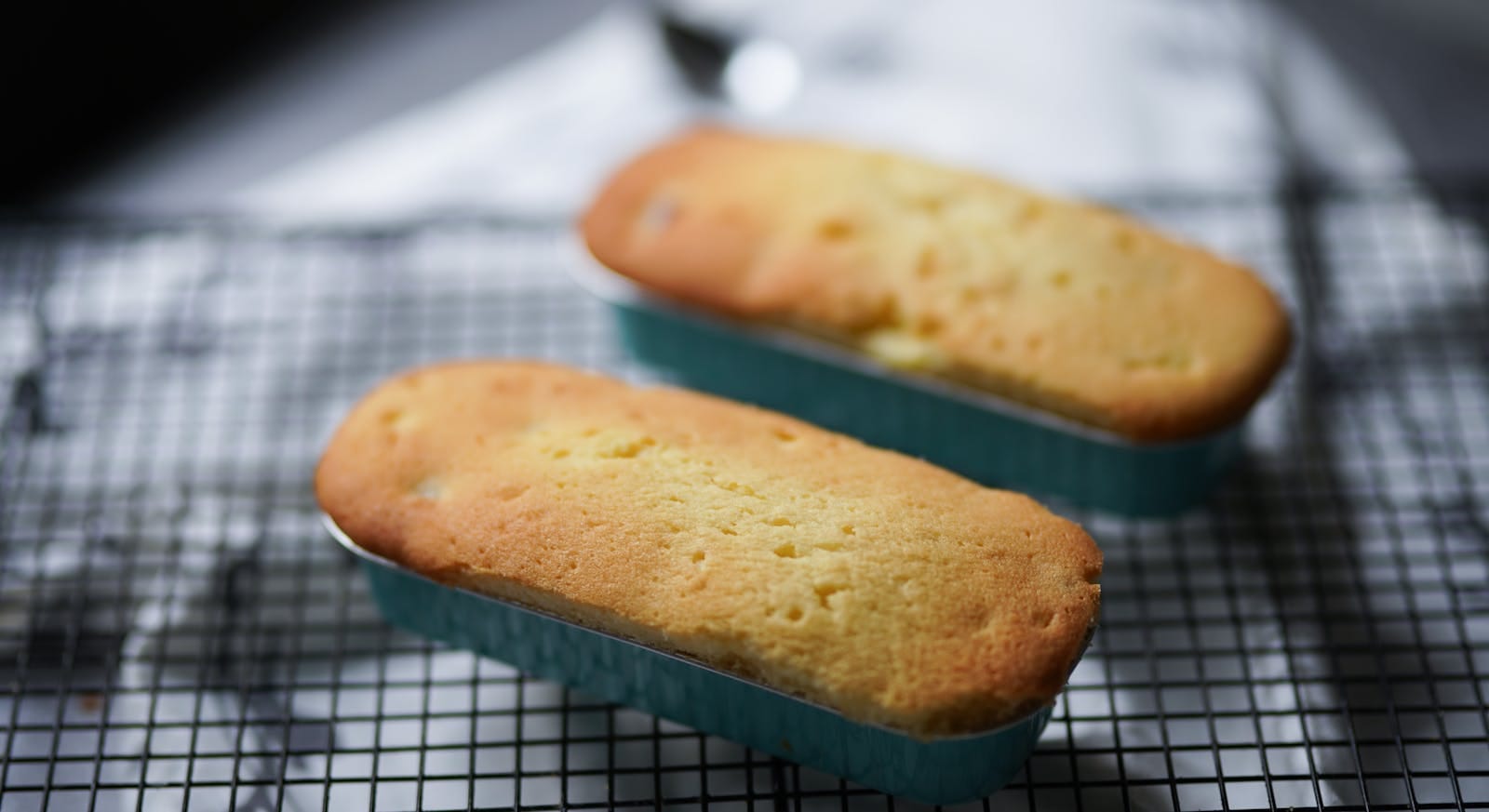
The Sabanagrande Bakers and Why Southern Honduras Claims the Tustaca
The defining technique is not the dough and not the rapadura filling. It is the clay oven fired with ocote wood, a resinous pine that burns hot and fast. In the workshops of Sabanagrande (a small town in the hills of Francisco Morazán, about 30 kilometers south of Tegucigalpa) bakers have been loading tustacas and rosquillas into those ovens for generations. The ocote fire runs 25 to 30 minutes per batch, and the result has a faint smokiness and a deep, even crispness that a home gas oven only approximates. It is still worth approximating.
If you ask a Honduran where the best tustacas come from, the answer arrives fast: the south. Sabanagrande, the towns of Choluteca and Valle spread across the Pacific lowlands. This is roadside country. Inter-urban buses running between Choluteca and Tegucigalpa pull over at the cafés along the highway so passengers can buy bags of tustacas and rosquillas to carry home. The two are made by the same bakers, in the same wood-fired ovens, from nearly the same dough. The difference is the sweet filling. A rosquilla is a salty corn-and-cheese ring baked without any sugar. A tustaca takes that base, opens a well in the center, and presses in grated dulce de rapadura, which is what turns a savory biscuit into a sweet.
A rosquilla is a salty corn-and-cheese ring. A tustaca takes that base and fills it with dulce de rapadura — which is what turns a savory biscuit into a sweet.
This is Mestizo Honduran food with older roots. The etymology of tustaca is not settled and I am not going to pretend it is: the derivation that circulates is Nahuatl rather than Lenca, from tutumuch (corn husk) and takat, and even that is uncertain. What is clear is that this is a corn food, and corn here is ancient. The Spanish brought sugar to the region; Honduras took it in its dark unrefined rapadura form and pressed it into a corn cookie that already belonged to the land.
Tustacas also appear across the border in El Salvador, where the Lenca heartland runs through the highland departments. The Sabanagrande version is the most storied, but the cookie is corridor food, a Lenca inheritance that the modern border did not erase.
Tustacas are merienda food. They belong to the afternoon coffee break, or to breakfast, always with a cup of hot coffee close by. Together with rosquillas, they were voted among the 30 Maravillas de Honduras in the country’s Bicentenary celebration. That recognition tells you how seriously Honduras takes a bag of cookies from a bus stop. For the wider table they sit on, the Honduran food guide is a good place to keep reading.
Tustaca or Catracha? The Question That Keeps Coming Up
This is the confusion I hear most, and it matters enough to settle clearly. A tustaca is sweet. A catracha is savory. Same country, entirely different foods.
A tustaca is a baked corn cookie: cuajada worked into the dough, grated dulce de rapadura filling the center, fork-crimped edge, eaten with coffee. A catracha, by contrast, is a fried corn tortilla spread with refried beans and topped with crumbled dry cheese. No sugar anywhere near it. The two share corn, cheese, and a country, and almost nothing else. If a recipe tells you to put beans on a tustaca, close the tab. Someone has confused it with a catracha.
If a recipe tells you to put beans on a tustaca, close the tab. Someone has confused it with a catracha.
The full sibling chart, for anyone searching the fried-tortilla family and landing here by accident:
- Tustaca: baked corn-masa-cuajada cookie, sweet rapadura center. You eat it with coffee.
- Catracha: fried corn tortilla, refried beans, crumbled queso fresco. Savory. Nothing else on it.
- Rosquilla: baked corn-and-cheese ring, same oven as the tustaca, but shaped into a ring and left savory. No sweetness.
- Enchilada hondureña: fried corn tortilla loaded with seasoned ground beef, cabbage slaw, sliced boiled egg, tomato sauce, queso fresco. A composed plate, not a snack.
- Baleada: soft wheat-flour tortilla (never corn, never fried crispy), folded over refried beans, crema, and queso duro. A fold, not a flat.
The test for a tustaca is simple: if it is sweet, baked, and made from corn masa with cheese in the dough, it is a tustaca. If it is savory and fried, it is not.
A few honest variations. Some bakers grind a little cinnamon and clove into the rapadura before it goes in the well, which deepens the molasses note. There is also a tustaca de chocolate, where cacao goes into the dough alongside the cuajada. Bryan Ford developed a version for Saveur that is worth finding. Sabanagrande bakes Honduran rosquillas from the same tradition, shaped into rings and kept savory. For a cook outside Honduras, the two hard-to-find pieces are the cuajada and the rapadura. Use queso seco or a farmer-cheese-and-cotija blend for the first, and grated piloncillo or dark panela cones for the second. Pressed dark brown sugar is the last resort, and it works, though it lacks the deep molasses note that makes the real thing taste like the south.
Frequently Asked Questions
What are tustacas?
Tustacas are a sweet Honduran cookie made from corn masa and fresh cuajada cheese, filled with grated dulce de rapadura, and baked until dry and crisp. They come from southern Honduras, especially Sabanagrande in Francisco Morazán and the Choluteca and Valle regions. They are eaten as an afternoon snack (merienda) or at breakfast, dipped in hot coffee.
What is the difference between a tustaca and a catracha?
A tustaca is sweet and baked; a catracha is savory and fried. A tustaca is a corn cookie with cuajada in the dough and dulce de rapadura in the center. You eat it with coffee. A catracha is a fried corn tortilla topped with refried beans and crumbled dry cheese, with no sugar at all. Both are Honduran, but they are entirely different kinds of food that happen to share corn and cheese.
What is the difference between a tustaca and a rosquilla?
Tustacas and rosquillas are made by the same bakers in the same wood-fired ovens in Sabanagrande, from nearly the same dough. The difference is one ingredient: tustacas have a grated dulce de rapadura filling pressed into the center, which makes them sweet. Rosquillas are shaped into rings and have no sweet filling. They are a savory corn-and-cheese biscuit. If it is round with a sweet center, it is a tustaca. If it is a ring with no sweetness, it is a rosquilla.
What is dulce de rapadura, and can I substitute it?
Dulce de rapadura, also called panela or piloncillo, is unrefined whole cane sugar sold in hard dark blocks or cones. You grate it for tustacas. If you cannot find it, grated piloncillo or dark panela cones work the same way. In a pinch, pressed dark brown sugar will do, though it has a lighter, less molasses-heavy flavor than the real thing.
Where in Honduras are tustacas from?
Tustacas are most associated with southern Honduras, especially Sabanagrande in Francisco Morazán and the Choluteca and Valle regions. Sabanagrande bakers fire them in clay ovens fueled by ocote wood, and the cookies are sold alongside rosquillas at roadside cafés where buses stop so travelers can carry them home. Tustacas and rosquillas from Sabanagrande were among the items recognized in Honduras’s 30 Maravillas de Honduras Bicentenario vote.
Can I make tustacas without cuajada?
Yes. Cuajada is a fresh salty curd cheese that is hard to find outside Central America. The closest substitutes are queso seco, dry cotija, or a blend of farmer cheese with a little cotija for saltiness. The cheese is worked into the dough, so the texture matters more than the exact name.
How do you eat tustacas?
You eat tustacas with hot coffee, as a merienda in the afternoon or at breakfast. They are made to be dipped or soaked in coffee, the dry, crunchy cookie softening just enough. Fully cooled and stored in a sealed tin, tustacas keep for over a week. They were built to survive the bus ride home.
Are tustacas only from Honduras?
Tustacas appear in El Salvador as well, where the Lenca cultural region extends through the highland departments. The Sabanagrande (Honduras) version is the most celebrated, but the cookie travels with the Lenca inheritance across the modern border. The word tustaca itself is believed to come from the Lenca language.
More Honduran Recipes
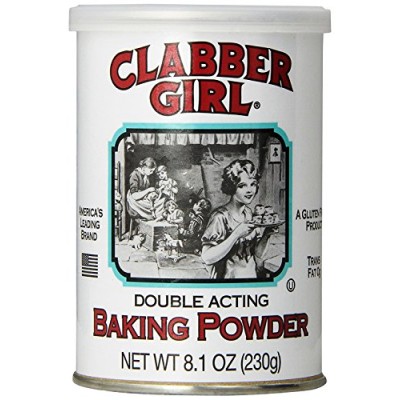
Clabber Girl Double Acting Baking Powder, 8.1 oz
Double-acting polvo para hornear — the lift behind rosquillas and quick breads.
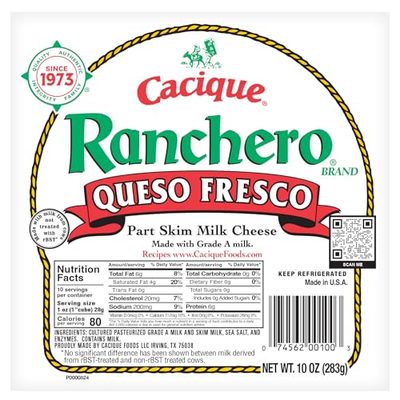
Cacique Queso Fresco Ranchero, 10 oz
A fresh crumbling queso fresco in 10 oz size, ready to sprinkle on cooked dishes or incorporate into recipes without shredding.
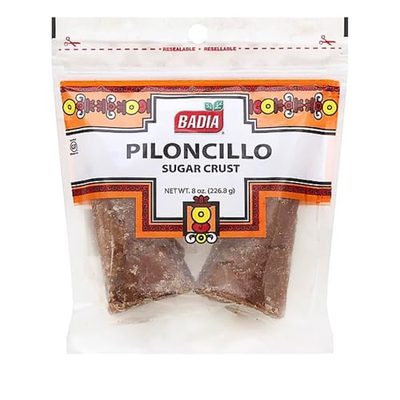
Unrefined cane sugar in cone form, the panela these syrups and sweets are built on.
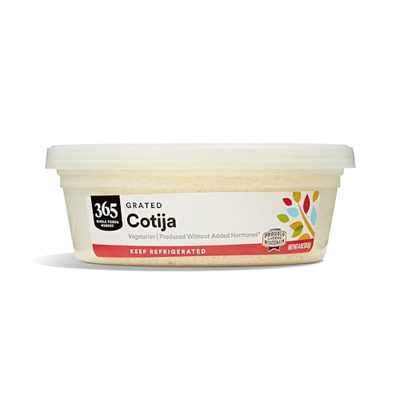
365 by Whole Foods Market Cotija Cheese, 4 OZ
The dry, salty crumbling cheese these dishes finish with, standing in for Central American queso duro.