This subanik recipe follows the Kaqchikel Maya ceremonial stew from San Martín Jilotepeque, Guatemala: three meats (chicken, beef, and pork) bathed in a red recado of dried chiles and miltomate, then wrapped in maxan leaves and steamed until the sauce is thick and the meat falls tender.
Why the Kaqchikel call subanik the meal of gods
The name tells you everything before you taste a spoonful. In Kaqchikel, suban means a dish packed and wrapped in leaves. The suffix -ik marks any preparation that contains chile. Put them together and you have a dish whose name encodes both its cooking method and its defining heat, so precisely named that the language and the recipe arrived as one thing.
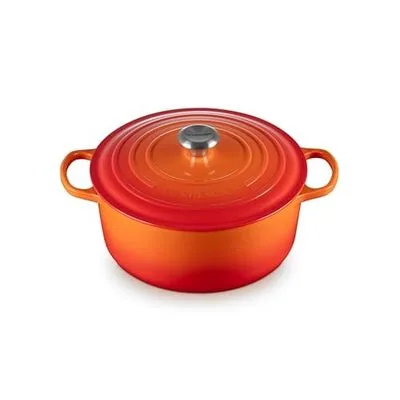
Cast iron dutch oven (Le Creuset)
Heavy cast iron Dutch oven with enamel coating - distributes heat evenly for long, low-temperature cooking and braising without losing liquid to evaporation.
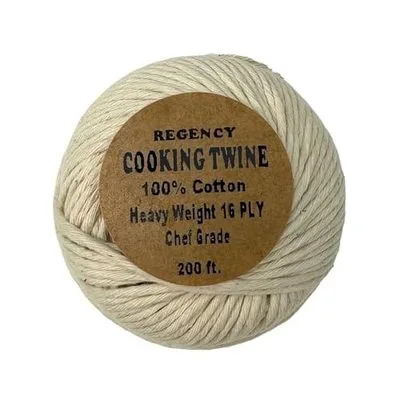
Regency Wraps Butchers Cooking Twine, Natural Cotton
Food-safe natural cotton twine for trussing whole birds and tying roasts, holding a stewed chicken or holiday turkey together through long cooking.
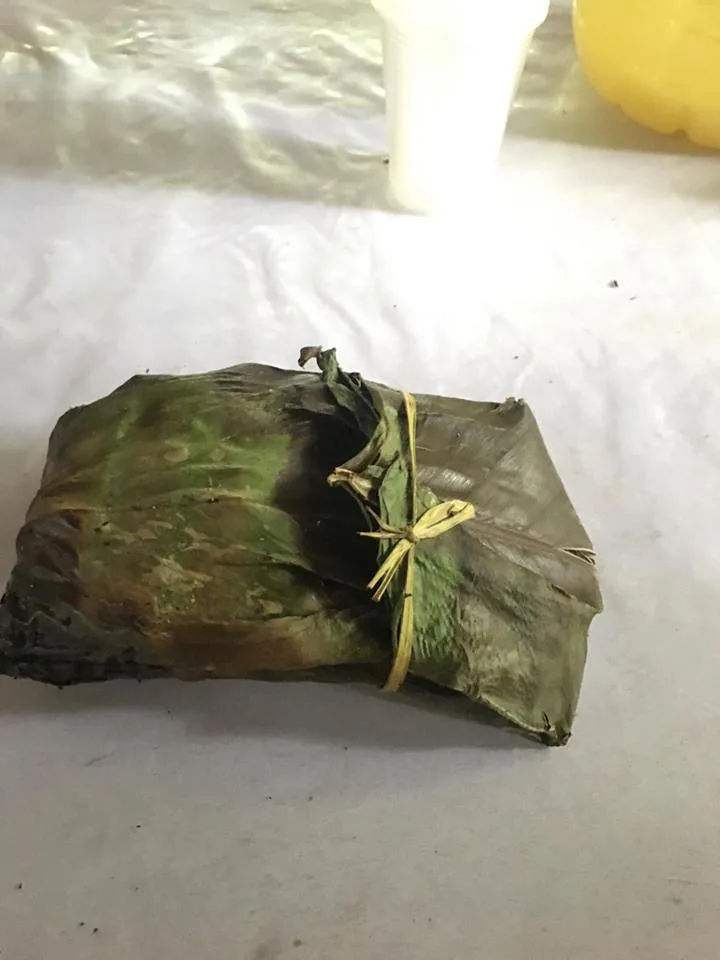
Kaqchikel Maya cooks in San Martín Jilotepeque, in Guatemala’s Chimaltenango department, still prepare subanik for weddings and feast days. The Kaqchikel are a living people in the central highlands, not a historical footnote. Their food traditions continue in the same highland valleys. You will see a date of 1770 attached to subanik around the internet; it is repeated by recipe sites and cited by none of them, so we are not going to repeat it as fact. What is certain is that the dish is old, ceremonial, and still made.
The dish carries real ceremonial weight in Kaqchikel community life. You do not make subanik on a Tuesday because you are tired and want something from the pantry. You make it for a wedding, a naming ceremony, a harvest festival. The labor is part of the meaning.
I know this recado tradition from the inside. Yucatec Maya family, markets in Corozal, and years moving through the corridor from the Yucatán through the Petén into the Guatemalan highlands. The motion of charring tomatoes and chiles on a dry comal until the skins blacken and blister, then blending everything down to a deep red sauce, is the same motion from Mérida to San Martín Jilotepeque. What subanik adds is the leaf. The maxan wrapping changes what steaming means. The stew seals in its own heat and moisture. Nothing escapes. For those who want to understand how these traditions connect across the region, the broader Guatemalan cooking traditions piece covers the full landscape of highland Maya cuisine.
The name tells you everything before you taste a spoonful. Suban means wrapped in leaves. -ik means chiles. The language and the recipe arrived as one thing.
Three meats, six chiles, one leaf — how subanik stands apart
The three-meat structure is not a variation or a regional preference. It is the dish. Chicken fat, beef collagen from the short ribs, and pork fat from the backbone enter the recado at the same time and transform it during the steaming. Each meat contributes something the others cannot: the chicken thighs add fat and tenderness; the beef ribs add collagen that thickens the sauce; the pork gives a rounded richness that neither of the other two has on its own. If you reduce subanik to one meat, you have a different dish. The body of the sauce will not be the same.
If you reduce subanik to one meat, you have a different dish. Chicken fat, beef collagen, and pork fat each do something the others cannot. The body of the sauce will not be the same.
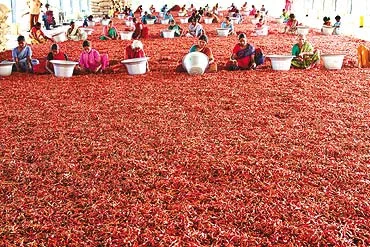
The chile architecture runs five to six varieties together. Chile guaque brings dark, earthy heat. Cobanero chiles, the dried chile of Alta Verapaz, add sharp, concentrated heat that no other variety in the list replicates. Chile pasa (dried pasilla) introduces a fruity, almost raisin-like depth. Chile zambo provides mild body without sharpening the heat. Pimiento rojo, the dried red sweet pepper, softens the edges. Each chile is toasted briefly, soaked to rehydrate, and blended into the recado with charred tomatoes and miltomate. None of these chiles dominates. The flavor is layered, not singular.
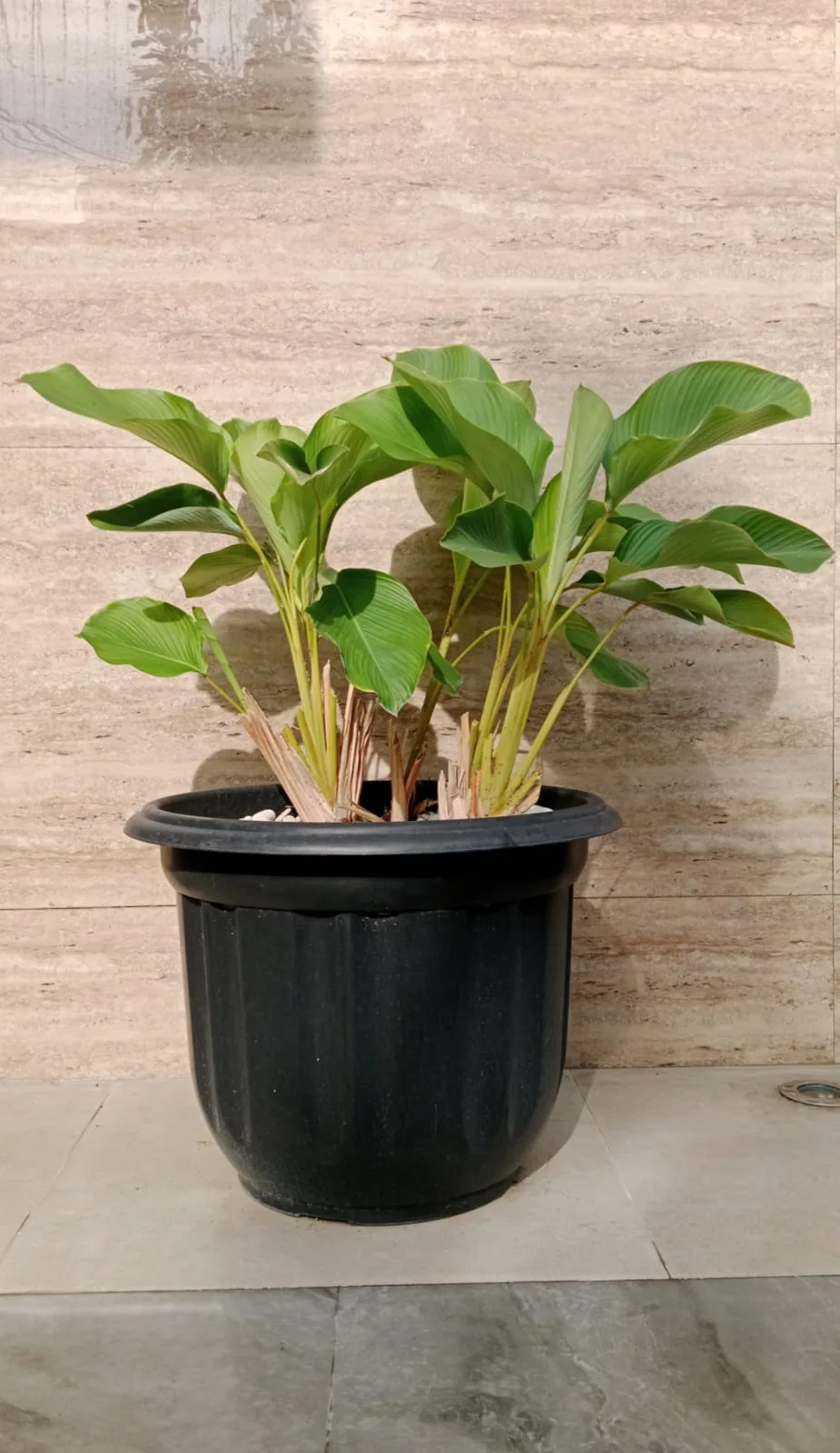
The maxan leaf (Calathea lutea) is a lowland tropical plant, brought up to the highland cooks who use it. Unlike banana leaves, maxan does not need heating to become flexible. It is pliable at room temperature and tears to size without cracking. It is also stronger, which matters when you are wrapping two pounds of stew and lifting a heavy pot. The leaf imparts a subtle green note to the sauce during steaming. Frozen mashan leaves are available in the United States at Latin markets under the La Fe brand (Hoja de Mashan) and the Productos Maya label at Weee! Asian Market.
Subanik differs from pepián de pollo in a fundamental way: pepián builds its sauce on a paste of toasted pumpkin seeds and sesame seeds, and is typically a single-meat preparation simmered open in a pot. Subanik uses no seed paste. The thickening agent, a small ball of masa added near the end, is dissolved in water and stirred in just before the final minutes of steaming. Everything before that point is pure chile-and-tomato recado. The other ceremonial stew to know is kak’ik, which is turkey-only, originates with the Q’eqchi’ Maya in Alta Verapaz, and uses a different chile profile entirely. Each of these three dishes belongs to a distinct highland Maya tradition. They are not interchangeable.
Ingredients
Meats (4–6 servings)
- 2 chicken leg quarters (thigh and drumstick attached), bone-in, about 1 lb / 450g total
- 1 lb (450g) beef short rib or posta (beef stew cut), cut in chunks
- 1 lb (450g) pork backbone or pork rib, cut in sections
- Salt to taste
Chiles and aromatics (recado)
- 3 lbs (1.4kg) ripe tomatoes
- 1/2 lb (225g) miltomate (tomatillos), husked
- 6 red pimiento peppers (red bell peppers), stemmed and seeded
- 1 chile guaque, stemmed and seeded
- 1 chile zambo, stemmed and seeded
- 1 chile pasa (pasilla), stemmed and seeded
- 2 cobanero chiles (or árbol as substitute), stemmed and seeded
- 3 cloves garlic
- 1 medium white onion, quartered
- 2 green onion stalks
- 2 bay leaves
- 1 sprig fresh thyme
- 1 tsp achiote seeds (or 1/2 tsp achiote paste)
Thickener and wrapping
- 1 small ball fresh masa (corn dough, golf-ball size) or 2 tbsp masa harina dissolved in 1/4 cup water
- 4–6 large maxan leaves (or banana leaves as substitute; see Tips below)
- Cibaque rope or kitchen twine, for tying the leaf packet
To serve: white rice, tamalitos blancos (white corn tamales) or plain steamed corn dough patties. If tamalitos blancos are not available, plain corn tortillas warmed in a dry skillet absorb the recado well.
Instructions
- Place chicken, beef, and pork in a large pot. Cover with water, add salt, bay leaves, and thyme. Bring to a boil, skim off any foam, then simmer uncovered for 25 minutes. Reserve 2 cups of the broth. Remove the meats and set aside.
- In a dry comal or cast iron skillet over medium-high heat, char the tomatoes, tomatillos, pimiento peppers, quartered onion, green onion stalks, and garlic, turning occasionally, until blackened in spots, about 8–10 minutes. Work in batches if needed.
- Tear the guaque, zambo, pasa, and cobanero chiles open. Remove seeds. Toast them briefly in the dry skillet, 20–30 seconds per side, until fragrant. Soak in 1 cup hot water for 10 minutes to rehydrate, then drain.
- Blend the charred tomatoes, tomatillos, pimiento, onion, and garlic together with the drained rehydrated chiles and achiote. Add 1/2 cup reserved broth to help the blending. Blend until smooth. Strain through a medium-mesh strainer into a bowl.
- Prepare the maxan leaves: in a large wide pot or Dutch oven, lay 2–3 leaves overlapping to form a deep nest with the edges extending up and over the sides of the pot. The leaves must be large enough to fold fully over the stew and be tied shut.
- Place the pre-cooked meats into the center of the leaf nest. Pour the strained recado sauce over the meats. Add 1 cup of reserved broth. Stir gently to coat the meats evenly. Taste and adjust salt.
- Fold the leaf tips up and inward to enclose the stew. Tie the packet securely with cibaque rope or kitchen twine so it stays closed during steaming. Cover the pot tightly with its lid.
- Steam over medium-low heat for 30 minutes, until the sauce has thickened and the meats are very tender. Check once at 15 minutes; lift the lid carefully, avoiding the steam, and add a splash of broth if the sauce looks dry.
- About 5 minutes before done, carefully open the leaf packet. Dissolve the masa ball in 1/4 cup water until smooth with no lumps. Stir the dissolved masa into the stew. Re-fold and re-tie the leaves and cook 5 more minutes until thickened.
- Serve directly from the leaf nest at the table, or transfer to a platter lined with fresh banana leaves. Accompany with white rice and tamalitos blancos or plain masa patties.
Making subanik outside Guatemala — what to substitute and what not to skip
The maxan leaf is the first thing to source. Frozen mashan leaves are available in the United States at Latin grocery stores. Look for the La Fe brand (labeled Hoja de Mashan), the Productos Maya label at Weee! Asian Market, or the FRUSECHA brand. These are your best option outside Guatemala. If you cannot find them, use banana leaves instead, folded double so they do not tear when you lift the sides. Do not move the pot once it is sealed. If you have no leaves at all, a Dutch oven with a tight-fitting lid will hold the steam. You lose the green note the maxan imparts, but the dish still works.
For the dried chiles, each one can be substituted without losing the dish’s essential structure. Replace chile guaque with dried mulato or dried New Mexico red. Replace cobanero with dried árbol or dried Thai chile, both of which are small and hot. Replace chile pasa with dried ancho or pasilla. Replace chile zambo with dried poblano. What you are trying to preserve is the layering: sharp heat, earthy heat, fruity depth, mild body. Do not substitute all of them with a single mild chile. The recado loses its architecture.
The three-meat rule holds. Do not reduce this to one protein. If pork backbone is unavailable, use pork shoulder cut into chunks. If beef short rib is unavailable, use oxtail or beef chuck. Work within the three animals, and the sauce builds the body it needs.
Make-ahead works well here. The recado sauce keeps in the refrigerator for 2 days before you assemble the stew. The finished dish keeps 3 days refrigerated. The sauce alone, without meat, freezes for up to 3 months.
Subanik is traditionally spicy. To reduce the heat without breaking the recado, remove all seeds from the cobanero chiles and use only one instead of two. Do not swap the cobanero out entirely. It anchors the top heat note that the other chiles cannot replicate.
Frequently Asked Questions
What is subanik?
Subanik is a ceremonial stew from the Kaqchikel Maya of San Martín Jilotepeque, Guatemala. It is made with three meats (chicken, beef, and pork) cooked in a red chile and tomato recado, then wrapped in maxan leaves and steamed until the sauce thickens and the meat falls from the bone. It is served at weddings and feast days across the Chimaltenango and Sacatepéquez highlands.
What does subanik mean in Kaqchikel?
In Kaqchikel, suban means a dish that is packed or wrapped in leaves, and the suffix -ik marks any preparation that contains chile peppers. Together, the name describes exactly what the dish is: a chile-laden stew cooked sealed inside a leaf wrapping. The name and the method arrived as the same thing.
How is subanik different from pepián?
Pepián builds its sauce on a paste of toasted pumpkin seeds and sesame seeds, and is typically a single-meat dish simmered open in a pot. Subanik uses no seed paste. Its sauce is pure chile and tomato recado, thickened at the end with a small amount of dissolved masa. Subanik also combines three meats and cooks sealed inside leaves rather than simmering uncovered. The two dishes share a highland Guatemala origin but belong to different cooking traditions.
Can I make subanik without maxan leaves?
Yes. Frozen maxan (mashan) leaves are available at US Latin markets under the La Fe brand and the Productos Maya label. If you cannot find them, substitute double-layered banana leaves, folded double so they hold the stew without tearing. Do not move the pot once it is sealed. If no leaves are available at all, use a Dutch oven with a tight-fitting lid. You lose some of the subtle green flavor the leaf imparts, but the steam method still produces a properly thickened stew.
Is subanik very spicy?
Subanik is traditionally fiery. The cobanero chile, which is comparable in heat to a dried árbol, is the primary heat source, and the guaque adds earthy sharpness on top. To bring the heat down, use only one cobanero chile instead of two and remove all its seeds thoroughly before toasting. Do not replace the cobanero entirely with a mild chile. It anchors the recado’s heat structure in a way no other chile in the list can replicate.
What do you serve with subanik?
White rice and tamalitos blancos, small white corn tamales, are the traditional accompaniments in San Martín Jilotepeque and across the Chimaltenango highlands. Some families serve subanik directly over plain corn dough patties that absorb the sauce. Both options work; the corn absorbs the recado in a way that rice alone does not.
More Guatemalan Recipes
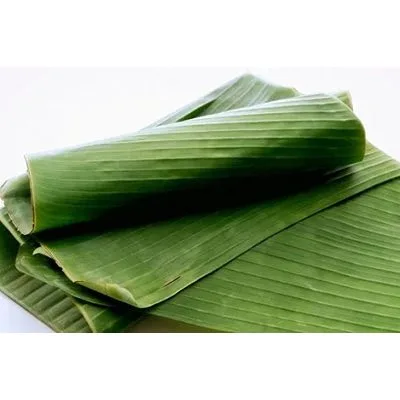
Frozen banana leaves for tamales, mukbil pollo, pibil, conkies, dukunu, and the Garifuna wrappers on hudut and bundiga — pass over a flame to make them pliable before wrapping; far easier than chasing fresh leaves outside the tropics.
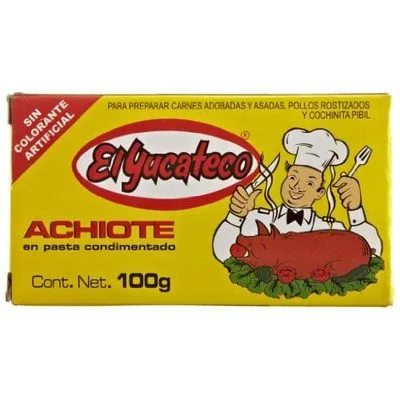
Cochinita pibil, poc chuc, and escabeche all start with red recado. A prepared achiote paste dissolves into sour orange in minutes instead of the hour it takes to grind annatto, oregano, and clove from seed.
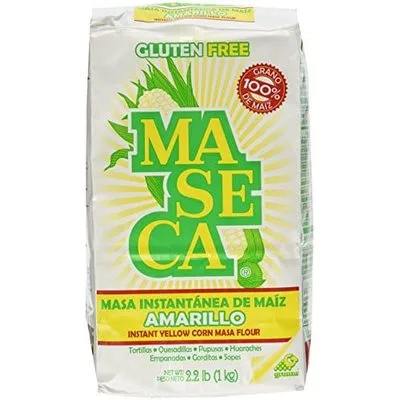
Maseca brand yellow corn masa harina, pre-ground and treated for immediate use in dough for tortillas, tamales, and other corn dough applications.