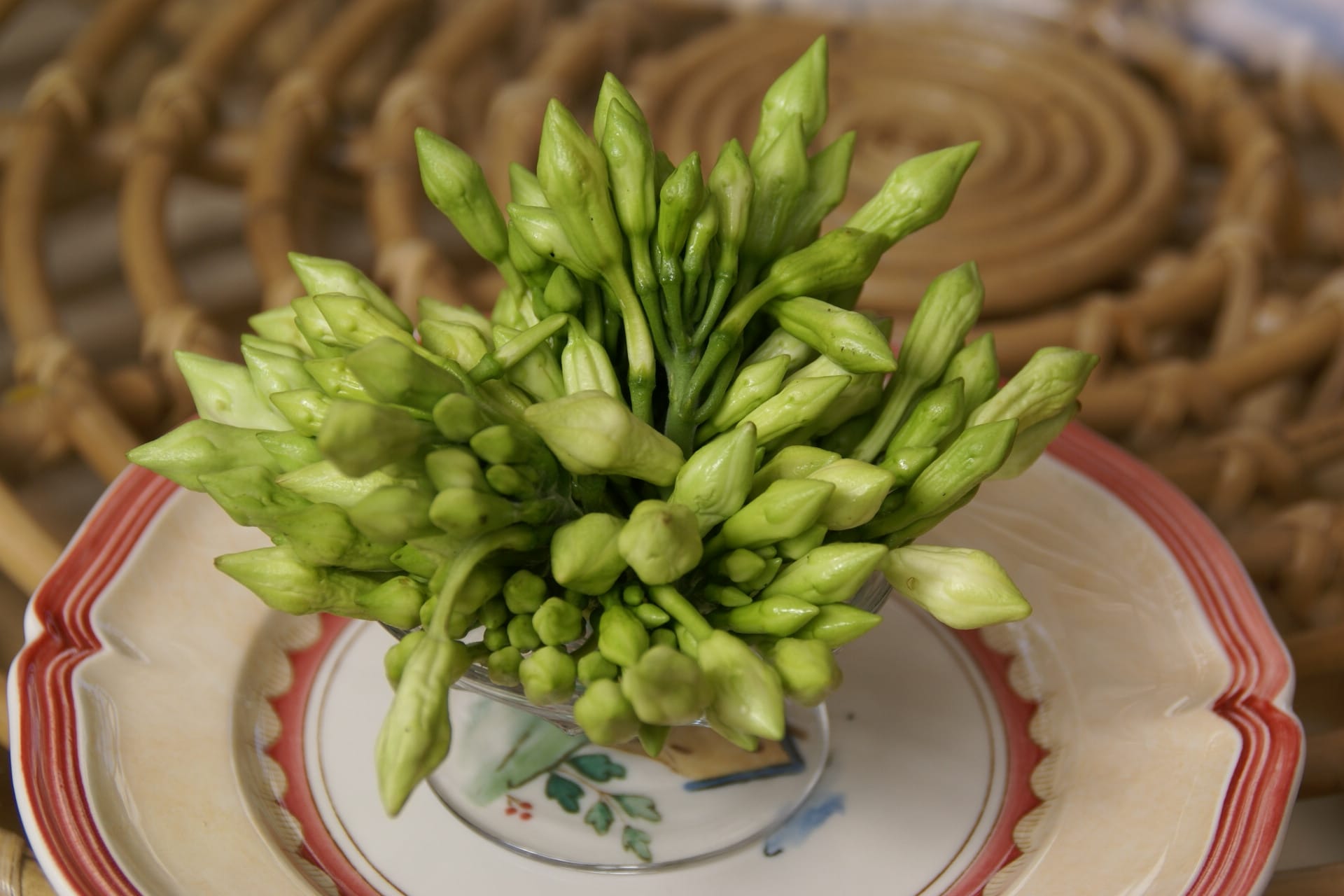
Pollo en crema is a Central American dish of bone-in chicken in a cultured-cream sauce built on tomatillo or tomato, with guisquil, carrot, and potato. The Guatemalan version is vegetable-forward, mildly seasoned, and often finished with loroco. It is everyday food — the kind of Sunday pot that feeds the whole table — and it won the 2011 AGEXPORT competition for most representative Guatemalan dish in the loroco variant. Every July, Chimaltenango hosts a festival celebrating it. That is not a country hedging about its cuisine.
Ingredients
The sauce is the whole dish, so the crema matters more than anything else here. Buy crema guatemalteca or crema centroamericana if your store carries it — it runs thicker and milder than Mexican crema, which in turn is thinner and tangier than Guatemalan. If you can only find Mexican crema, it still works. I tell you the substitute chain below.
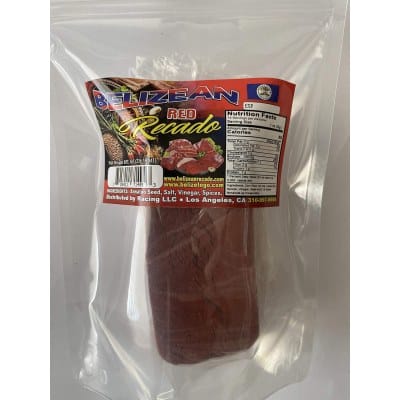
The achiote-based paste behind stew chicken, pibil, and escabeche. Sold ready-made so you skip toasting and grinding annatto, cumin, oregano, and clove from seed.
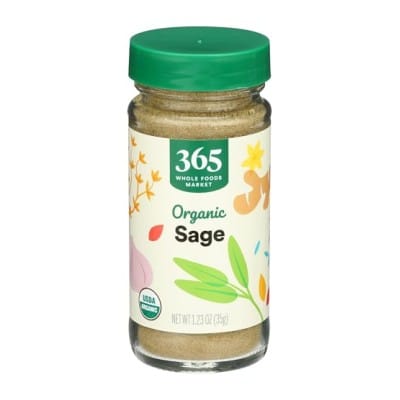
The Guatemalan version of pollo en crema simmers a few sage leaves into the cream — subtle, but it is what separates it from the Salvadoran pot. 365's organic dried sage covers it whenever fresh is not around.
- 1 whole chicken (about 3 to 3.5 lb), cut into 8 bone-in pieces, skin on
- 1 cup crema guatemalteca or crema centroamericana (substitute: Mexican crema; or 3/4 cup sour cream loosened with 1/4 cup heavy cream)
- 6 to 8 miltomate (tomatillos), husked and rinsed; or 2 medium ripe tomatoes if unavailable
- 2 medium guisquil (chayote), peeled and cut into wedges
- 2 medium carrots, peeled and cut into thick coins
- 2 medium yellow potatoes, peeled and quartered
- 1 medium white onion, halved — half quartered for the broth, half sliced thin for the sauté
- 3 cloves garlic
- 1/2 green bell pepper (pimiento), sliced
- 1/4 cup loroco, fresh or jarred, optional but the dish is better with it
- 1 tablespoon neutral oil (for browning)
- 4 cups water or low-sodium chicken broth
- 1 teaspoon salt, plus more to taste
- 1/2 teaspoon ground black pepper
- 1 bay leaf
- 2 fresh sage leaves (or 1/4 teaspoon dried), optional but traditional in the Guatemalan version
- Cooked white rice and warm corn tortillas, to serve
Instructions
Read these through once before you start. The one place people go wrong is the cream, and there is a step that protects against it. The other place is skipping the browning — that step builds the flavor that separates a real pollo en crema from boiled chicken in sauce.
- Season the chicken pieces generously with salt and black pepper. Heat the oil in a large, heavy pot over medium-high heat. Brown the chicken in batches — do not crowd the pan — until the skin is golden on both sides, about 4 minutes per side. Set the browned pieces aside. (If you prefer a lighter dish, skip this step and go straight to step 2, but you will lose some depth.)
- In the same pot, sauté the sliced onion half and bell pepper over medium heat until softened, about 5 minutes. Add the garlic and cook 1 minute more. Deglaze with a splash of the broth, scraping up any browned bits.
- Return the chicken to the pot. Add the quartered onion half, bay leaf, sage, the remaining broth, and 1 teaspoon salt. Bring to a boil, then drop to a simmer.
- Simmer 20 to 25 minutes, until the chicken is just cooked through. Skim the foam in the first few minutes.
- While the chicken simmers, boil the tomatillos in a small pot of water for about 8 minutes, until they soften and turn dull olive-green. Drain.
- Lift the chicken out and set aside. Reserve 1.5 cups of the cooking broth. Discard the bay leaf and sage.
- Blend the boiled tomatillos with the reserved 1.5 cups of broth until smooth. Pour the blended sauce back into the pot over the sautéed onion and pepper base.
- Take the pot off hard heat. Stir in the crema — bring it to room temperature first if it was in the refrigerator. Warm gently over low heat. Do not let it boil hard or the cream will break.
- Add the carrot, guisquil, and potato to the sauce. Simmer 12 to 15 minutes, until the vegetables give easily to a fork.
- Return the chicken to the pot. Simmer another 8 to 10 minutes so it takes on the sauce.
- Stir in the loroco in the last 3 to 5 minutes. If yours came from a jar, it is already cooked — add it right at the end so it stays bright.
- Taste and correct the salt and pepper. Serve hot over white rice with warm tortillas alongside.
The sauce is the whole dish. Get the crema right and everything else is just vegetables doing their job.
Why Pollo en Crema Is a Shared Central American Sunday Dish
This is not one country’s dish, and anyone who tells you otherwise is flattening something. Pollo en crema belongs to Guatemala, El Salvador, and Honduras all at once. It comes out of Ladino home kitchens across the region, the kind of cooking that fills one big pot for a full table on a Sunday afternoon. It is comfort, not ceremony.
What this recipe gives you is the Guatemalan version, and it has its own markers. The base is tomatillo — what cooks there call miltomate — so the sauce carries a gentle tang under the cream. Guisquil, potato, and carrot go in for body. Loroco, the green flowering bud harvested across Guatemala and El Salvador, often finishes it. The seasoning stays quiet on purpose. Crema and tomatillo do the work, and you are not chasing heat or a wall of spice. If you want to see where this sits among Guatemala’s bigger chicken dishes, our Guatemalan home cooking guide lays out the spread.
Pollo en crema belongs to Guatemala, El Salvador, and Honduras all at once, and anyone who tells you otherwise is flattening something.
This is a Ladino dish — mestizo home cooking born in the colonial period, when dairy found its way into Central American kitchens. It has no pre-Hispanic ancestor. The technique is European in its logic: brown the chicken, build a sauce, finish with cultured cream. What makes it Guatemalan is the miltomate tang in the base, the guisquil and potato medley, and the loroco that comes in at the end with its faintly grassy, mildly bitter note. The crema here is also distinctly Guatemalan: thicker and milder than the Mexican version, which tends to be thinner and tangier.
One thing worth being clear about, because corridor readers ask. This is not Belizean stewed chicken. That dish browns the chicken in recado rojo and tomato until it goes deep red, and it tastes nothing like this. Pollo en crema is pale, tangy, and built on cultured cream. Different lineage, different pot, different country.
What’s the Difference Between Guatemalan and Salvadoran Pollo en Crema?
Both are real, and neither is the correct one. They just grew up in different houses.
The Guatemalan version leans on vegetables. Tomatillo in the base, then guisquil, potato, carrot, and loroco to finish. It is the gentler, more produce-forward plate, and the cream stays in balance with that tang from the miltomate. The crema guatemalteca itself is part of the distinction — it is thicker and milder than Mexican crema, so the sauce has body without sharpness.
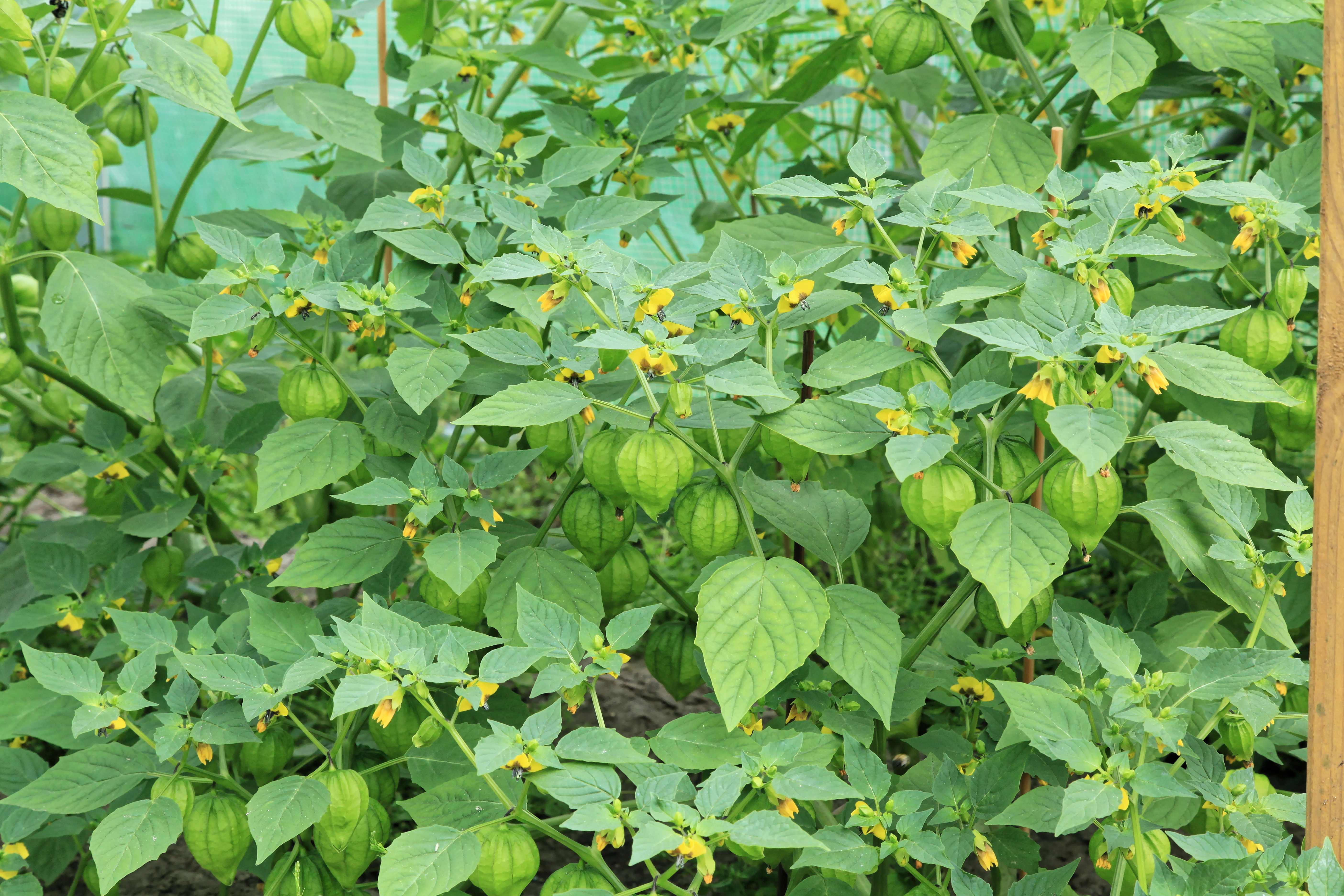
The Salvadoran version simplifies the vegetables and turns up the sauce. It runs on bell peppers and onions, and the crema there is thicker and more assertively sour — the dish reads richer and tangier overall. Loroco shows up on both sides of the border, but in El Salvador the pepper-and-onion base is the signature, not the vegetable medley. If you cook the Salvadoran chicken tradition, you likely know its cousin already: Salvadoran pan con pollo. Honduras keeps a similar homestyle cream chicken close to both. The crema shifts by brand and country, but the principle — cultured cream over simmered chicken — holds across all three.
For a Guatemalan dish that also leans on tomatillo, look at jocón, the green chicken stew. And if you want the ceremonial end of the spectrum instead of Sunday comfort, pepián is the recado-thickened chicken that shows up for the big occasions.
Tips for a Cream Sauce That Doesn’t Split
The cream splitting is the only real failure point, and it is easy to avoid once you know why it happens.
Bring the crema to room temperature before it goes in. Stir it into the sauce after you have pulled the pot off a hard boil. Boiling cultured cream breaks it, and you get grainy curds instead of a smooth sauce. Never reach for half-and-half as a shortcut — it curdles almost on contact and there is no saving it. Mexican crema works as a substitute but it is tangier and thinner than Guatemalan crema, so the sauce will be a little sharper and more fluid. That is fine; just know what you are getting.
No loroco? Zucchini, cauliflower, or broccoli florets give you a similar mild green note, or leave it out. The dish is complete without it. If you cannot find tomatillos, two ripe tomatoes make a rounder, less tangy sauce, and that is honest cooking — plenty of homes go that way when the miltomate is not around.
Leftovers keep three days in the refrigerator. Reheat low and slow. A rolling boil will split the sauce the same way it would have on day one, so keep the heat gentle and the cream stays smooth.
Frequently Asked Questions
What is pollo en crema?
Pollo en crema is bone-in chicken simmered in a sauce of cultured cream blended with tomatillo or tomato, with vegetables like chayote, carrot, and potato. It is a homestyle Sunday dish shared across Guatemala, El Salvador, and Honduras. The Guatemalan version is mildly seasoned, vegetable-forward, and often finished with loroco. It won the 2011 AGEXPORT competition for most representative Guatemalan dish in its loroco form, and Chimaltenango department holds a festival celebrating it every July.
What is crema guatemalteca and can I substitute it?
Crema guatemalteca is a thick, mild cultured cream — thicker and milder than Mexican crema, which itself is thinner and tangier than Guatemalan. It gives the sauce body without sharpness. If your store carries crema guatemalteca or crema centroamericana, use it. Mexican crema works but will make a tangier, thinner sauce. As a further fallback, loosen 3/4 cup sour cream with 1/4 cup heavy cream. Avoid half-and-half, which curdles on contact with heat.
What is loroco and what can I use instead?
Loroco (Fernaldia pandurata) is an edible green flower bud that grows across Guatemala and El Salvador, with a mild, slightly bitter, faintly grassy flavor. It is a finishing ingredient, not a base aromatic. The loroco variant of pollo en crema is the one most closely identified with Guatemala — it is what won the AGEXPORT title. Find it fresh at Latin markets or jarred in brine. If you cannot find it, zucchini, cauliflower, or broccoli florets give a similar mild green note, or leave it out. The dish still works without it.
Is pollo en crema Guatemalan or Salvadoran?
Both, and Honduran too. It is a shared Central American dish, not the property of one country. The Guatemalan version uses a tomatillo base with chayote, potato, carrot, and loroco, finished with thick mild crema guatemalteca. The Salvadoran version leans on bell peppers and onions in a tangier, more assertive cream sauce. This recipe builds the Guatemalan version.
How is pollo en crema different from Belizean stewed chicken?
They are different dishes from different traditions. Belizean stewed chicken browns the chicken in recado rojo and tomato until it turns deep red, with no cream involved. Pollo en crema is pale, tangy, and built on cultured cream blended with tomatillo. One is a Central American dairy dish; the other is a Belizean recado dish.
Can I make pollo en crema without tomatillos?
Yes. If you cannot find miltomate, use two ripe tomatoes instead. The sauce will be rounder and less tangy, but it is still traditional — many home cooks make it this way when tomatillos are not in season or not available. The crema is the element you should not substitute away; that is what makes the dish.
Do I need to brown the chicken first?
Browning builds the flavor depth that separates a full pollo en crema from boiled chicken in sauce. Most traditional recipes call for browning or par-cooking the chicken before building the sauce. You can skip it for a lighter, quicker version, but the dish will be noticeably milder. If you are making this for a table that cares, brown the chicken.
More Guatemalan Recipes
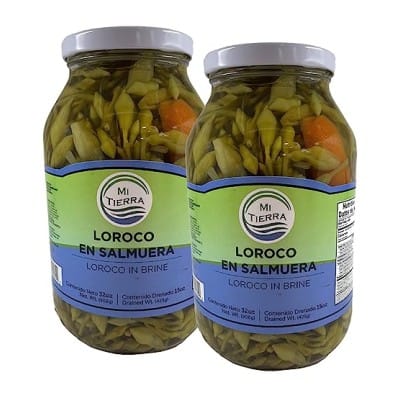
Loroco buds are the flavor Salvadorans and Guatemalans reach for in pollo en crema and pupusas revueltas — grassy, floral, and nothing substitutes for it. MI TIERRA jars it in brine so it keeps in the pantry.