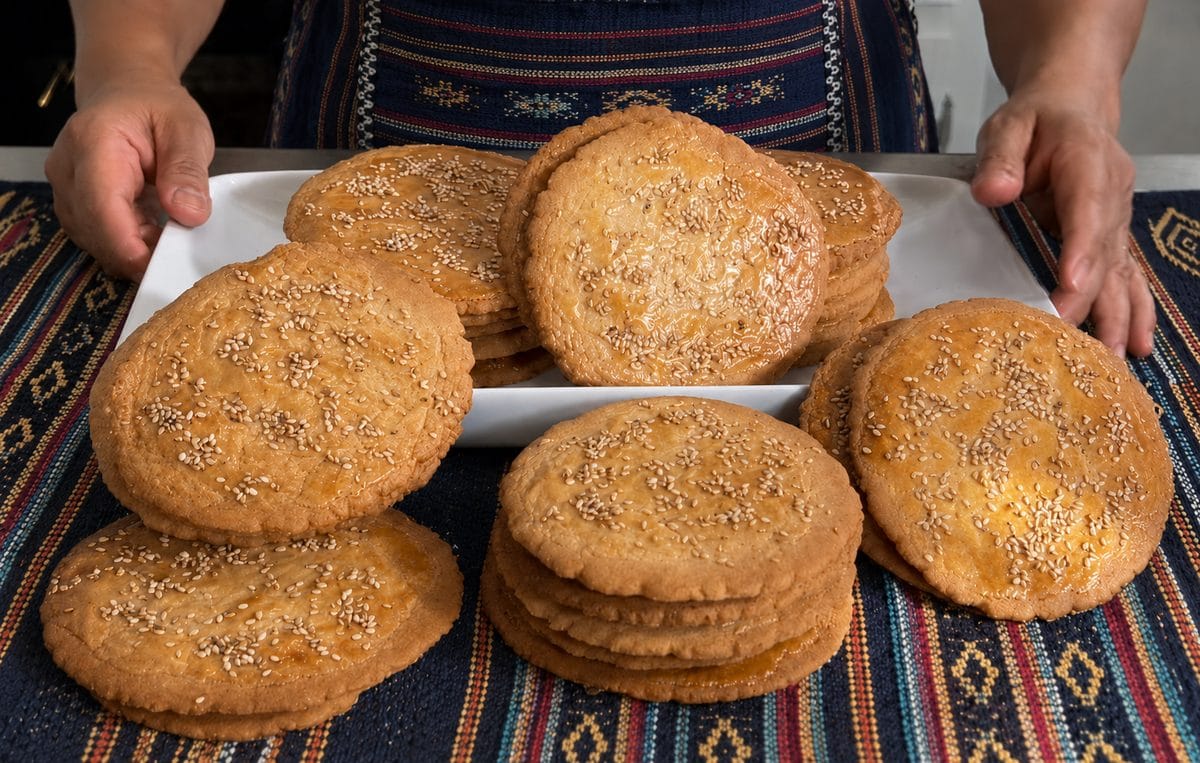
This champurradas recipe makes the large, flat, crisp round cookies found in every Guatemalan panadería — roughly saucer-sized discs, four to five inches across, built from wheat flour and masa harina creamed with butter and sugar, pressed thick with sesame seeds on top and throughout the dough. A colonial-era pan dulce staple, champurradas are dunked in morning coffee or the afternoon café de las tres. They are not to be confused with champurrado, the Mexican chocolate-corn drink.
Why Guatemalans dunk their cookies — the pan dulce tradition behind champurradas
In every panadería across Guatemala, from Guatemala City to Quetzaltenango to Antigua, you will find champurradas. They sit in stacks on the counter or in cellophane bags by the register. The cookies are plain-looking: round, golden, roughly the diameter of a saucer. The sesame seeds pressed into the top — and scattered through the dough itself — tell you what they are before you take one. For a broader look at Guatemala’s baking and cooking traditions, see our Guatemalan food guide.
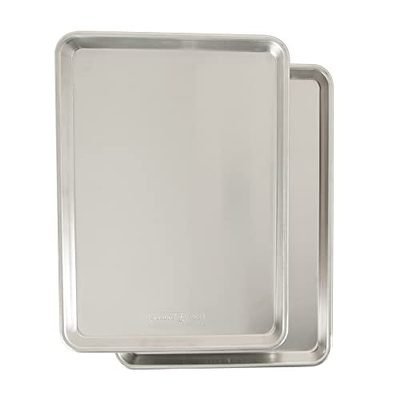
Nordic Ware Naturals Half Sheet — USA Made Aluminum Commercial Quality Sheet Pan, 2-Pack
Half-sheet aluminum is the right size for sheet-pan chicken, roasted plantains, or toasted cassava bread. Commercial-weight aluminum doesn't warp under the long roast.
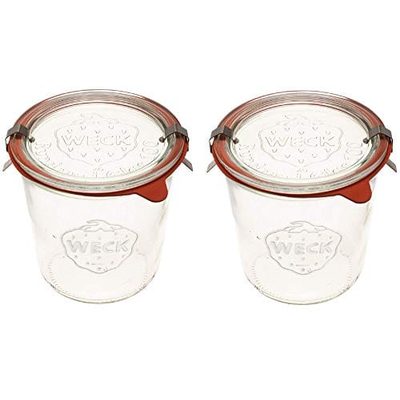
WECK Canning Jars 742 Mold Jars, 1/2 Liter Tall Jar Set (2 Jars)
Spice pastes, ground spices and toasted seeds all keep longer in glass with a silicone seal than in plastic. Tall gasket-sealed glass jars are the editorial pick for paste and spice storage.
In every panadería across Guatemala, from Guatemala City to Quetzaltenango to Antigua, you will find champurradas stacked on the counter, waiting to be dunked.
Champurradas belong to the ladino baking tradition that took root across Guatemala during the colonial period, blending Spanish-style crisp biscuits with the corn flour that was already the foundation of the Guatemalan table. The sesame seed (ajonjolí) was already part of Central American cooking long before the panadería arrived; it migrated into the dough and onto the top of these cookies and stayed. Some bakers use lard for a denser bite; others use butter, or a mixture of butter and margarine, which is the most common panadería approach. What nearly all authentic recipes share is masa harina — corn flour made from nixtamalized maize — which gives champurradas their distinctive snap and a faint corn undertone that separates them from ordinary shortbread or simple wheat biscuits.
The signature technique is the creaming method: butter (or butter and margarine) and sugar beaten together until light, then eggs added one by one, then the flours folded in. This is not the rubbing method of shortbread, where cold fat is cut into flour to create flakiness. Creaming builds a finer, more uniform crumb that bakes up crisp all the way through — the structural quality champurradas need for dunking without shattering into the cup. Roll them thin, to about a quarter centimetre, and cut them wide, four to five inches across. The large size is not incidental; it is part of the identity. A champurrada is nearly as wide as your palm.
The way Guatemalans eat these cookies is the point. They are not dessert cookies. They are dunking cookies, served with coffee at breakfast, with hot chocolate at the school refacción, and at the café de las tres, the mid-afternoon coffee break around three in the afternoon that organizes the Guatemalan day the way tea organizes an English afternoon. A champurrada held in coffee for two or three seconds softens just enough at the edges without crumbling. That is what the dense, thin texture is built for.
Champurradas also turn up in the kitchen in a second role: crumbled or ground, they serve as a thickener in mole de plátano, Guatemala’s sweet plantain dessert. It is one of those small details that marks how embedded they are in everyday Guatemalan cooking — a cookie so ubiquitous it becomes an ingredient.
If you have seen the word “champurrado” on a Mexican menu and assumed it was the same thing, it is not. Champurrado (without the final s, and singular) is a warm Mexican chocolate-corn drink — thick, sweet, made with masa and piloncillo and chocolate. The similarity is in the name only. Both words trace back to the Spanish “champurrar,” meaning to mix, but the dishes arrived at completely different destinations. One is a drink; the other is a cookie. The FAQ section below addresses this directly for anyone who searched and landed here expecting the beverage.
Ingredients
- 2 cups all-purpose flour (240g)
- ½ cup masa harina (60g) — Maseca is the common brand, available in Latino grocery stores; do not substitute cornmeal
- ½ cup sugar (100g)
- ¼ cup unsalted butter (55g), at room temperature
- ¼ cup margarine (55g), at room temperature (see notes)
- 2 large eggs
- 1 tsp baking powder
- ¼ tsp salt
- 1 tsp anise seeds (optional but traditional)
- ⅓ cup sesame seeds (ajonjolí), divided — some go in the dough, the rest for topping
Instructions
- Heat the oven to 350°F (175°C). Line two baking sheets with parchment paper.
- In a large bowl, beat the butter and margarine with the sugar until light and creamy, about 2 minutes by hand or 1 minute with a mixer. Add the eggs one at a time, mixing well after each.
- In a separate bowl, whisk together the flour, masa harina, baking powder, and salt. Add the anise seeds (if using) and half the sesame seeds.
- Add the flour mixture to the creamed butter mixture and stir until a dough forms. It will be slightly stiffer than a sugar-cookie dough. If it seems dry and crumbly, add a tablespoon of water and work it in.
- Turn the dough onto a lightly floured surface. Roll thin — aim for about 2–3mm (just under ⅛ inch), which is thinner than most cookie doughs. The cookies bake up crisp when rolled this way.
- Use a round cutter, 4 to 5 inches (10–12cm) in diameter, to cut large rounds. A wide-mouth jar or bowl works well. Re-roll scraps once.
- Transfer the rounds to the prepared baking sheets. Scatter the remaining sesame seeds onto a small plate and press the top of each cookie firmly into them so the seeds adhere.
- Bake for 15 to 18 minutes, until the edges are light golden and the cookies feel firm (not soft) when gently pressed. They will crisp further as they cool. Transfer to a wire rack and cool completely before storing or serving.
How to store champurradas and get the crunch right
The crunch is everything with champurradas, and it develops as the cookies cool. They come out of the oven looking almost done but feeling slightly soft — give them the full time on the wire rack before you decide they need more baking. Once cool, they keep in an airtight container at room temperature for up to a week without losing texture. Stack warm cookies in a tin and the steam they release softens them; let them cool fully first.
The crunch develops as the cookies cool — they come out of the oven feeling slightly soft and firm up completely on the rack.
Thickness is the single most important variable. The traditional panadería roll is very thin — about 2 to 3 millimetres — which is thinner than most home bakers expect. Roll thicker and the centre stays slightly soft, which is not wrong, but it is not the crisp, snap-when-bitten champurrada you find stacked on a Guatemalan counter. If you have a ruler, use it once to calibrate your hand.
A few notes for cooks outside Central America:
Masa harina: Maseca is sold in the Latin aisle of most US supermarkets and in Caribbean and Latino stores in Belize and the UK. Do not substitute cornmeal — the grind is coarser and the moisture content is different, and the texture will be wrong. If masa harina is completely unavailable, the recipe will work with all-purpose flour alone, but the result will be closer to plain shortbread than champurradas.
Butter vs margarine: Most Guatemalan panaderías use a combination of butter and margarine, which is what this recipe calls for. All butter gives a richer flavour; all margarine gives a slightly crisper, more neutral result. Traditional versions using lard produce a denser bite. Any of these work — the creaming step is what matters for texture.
Sesame seeds: The recipe puts seeds both in the dough and pressed on top. The in-dough seeds add subtle nuttiness throughout; the pressed-on seeds are the visual signature. Toast them in a dry pan for two to three minutes first if you want more pronounced flavour. Some versions skip the anise seeds; others make them central. Both are traditional.
Frequently asked questions
What are champurradas?
Champurradas are a traditional Guatemalan cookie: large, round, flat, and crisp, made with wheat flour, masa harina, butter and margarine, sugar, eggs, and sesame seeds pressed into the top and through the dough. They are a staple of Guatemalan panaderías — found in every bakery across the country — and are eaten dunked in coffee or hot chocolate, most often at breakfast or the afternoon café de las tres.
What is the difference between champurradas and champurrado?
Champurradas (plural, with an s) are a Guatemalan baked good: flat, crisp sesame cookies from the panadería tradition. Champurrado (singular, no final s) is a Mexican warm drink — a thick chocolate-corn atole made with masa harina, piloncillo, chocolate, and milk. Both names share the Spanish root “champurrar” (to mix), but the dishes are completely different. One is a cookie; the other is a beverage.
Are champurradas the same as shortbread?
They are similar in concept — both are crisp, butter-based cookies — but champurradas are not shortbread. The key differences are masa harina (which gives champurradas a faint corn flavor and a denser snap that shortbread lacks), the creaming method (not the rubbing method used for shortbread), the large size (four to five inches across, much wider than most shortbread), and the sesame seed topping specific to this Guatemalan tradition.
Can I make champurradas without masa harina?
You can, but the result will be closer to plain shortbread than authentic champurradas. Masa harina is what gives the cookies their characteristic snap and faint corn note. If you cannot find it, use all-purpose flour for the full quantity. Do not substitute cornmeal, as the grind is too coarse and the texture will not be right.
How long do champurradas stay fresh?
Stored in an airtight container at room temperature, champurradas keep for up to one week without losing their crunch, as long as they are fully cooled before storing. Warm cookies in a sealed container will soften from the steam they release.
Why are my champurradas soft instead of crunchy?
Two causes are most common. First, the dough was rolled too thick — champurradas should be very thin, about 2 to 3 millimetres, which is thinner than most cookie doughs. Second, the cookies were stored before they were fully cool, trapping steam inside. Champurradas firm up as they cool on the rack, so give them fifteen to twenty minutes before deciding they are underdone.
What is the café de las tres?
The café de las tres is the traditional mid-afternoon coffee break in Guatemala, taken around three in the afternoon. It is a daily institution across the country — schools, households, and workplaces all observe it. Champurradas are one of the standard accompaniments, alongside sweet breads and other pan dulce. The break is structurally similar to the British tea service: a pause in the working day organized around a hot drink and something to eat with it.
More Guatemalan Recipes
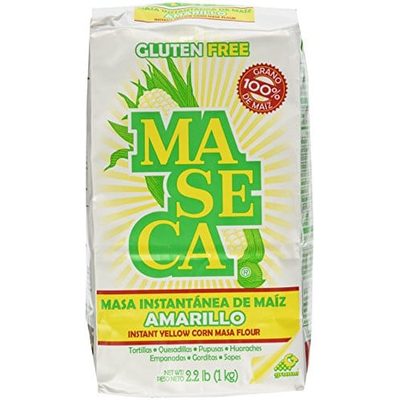
Maseca brand yellow corn masa harina, pre-ground and treated for immediate use in dough for tortillas, tamales, and other corn dough applications.
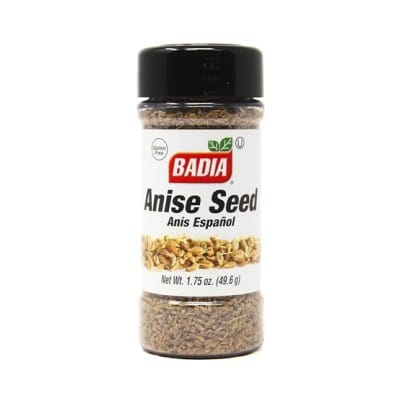
Champurradas carry a faint licorice warmth from whole anise seeds toasted into the dough, the flavor that says Guatemalan bakery. A small jar stays fresh between baking sessions.
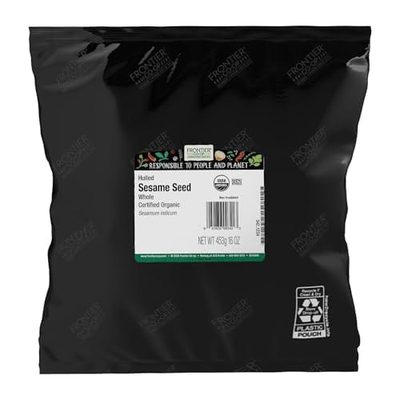
Wangla, Belize's sesame seed candy, needs raw sesame toasted fresh and bound with cane sugar. Whole hulled seed toasts evenly without the burnt edges of pre-toasted product.