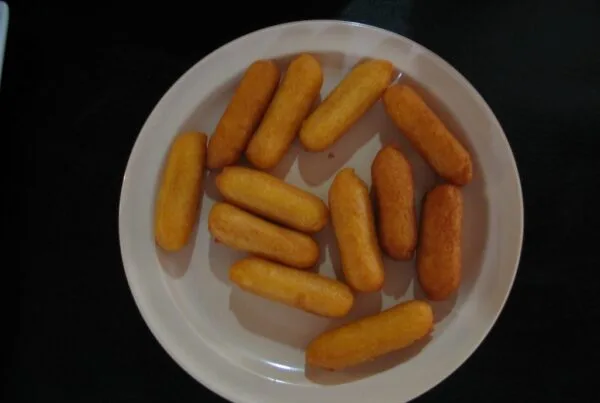
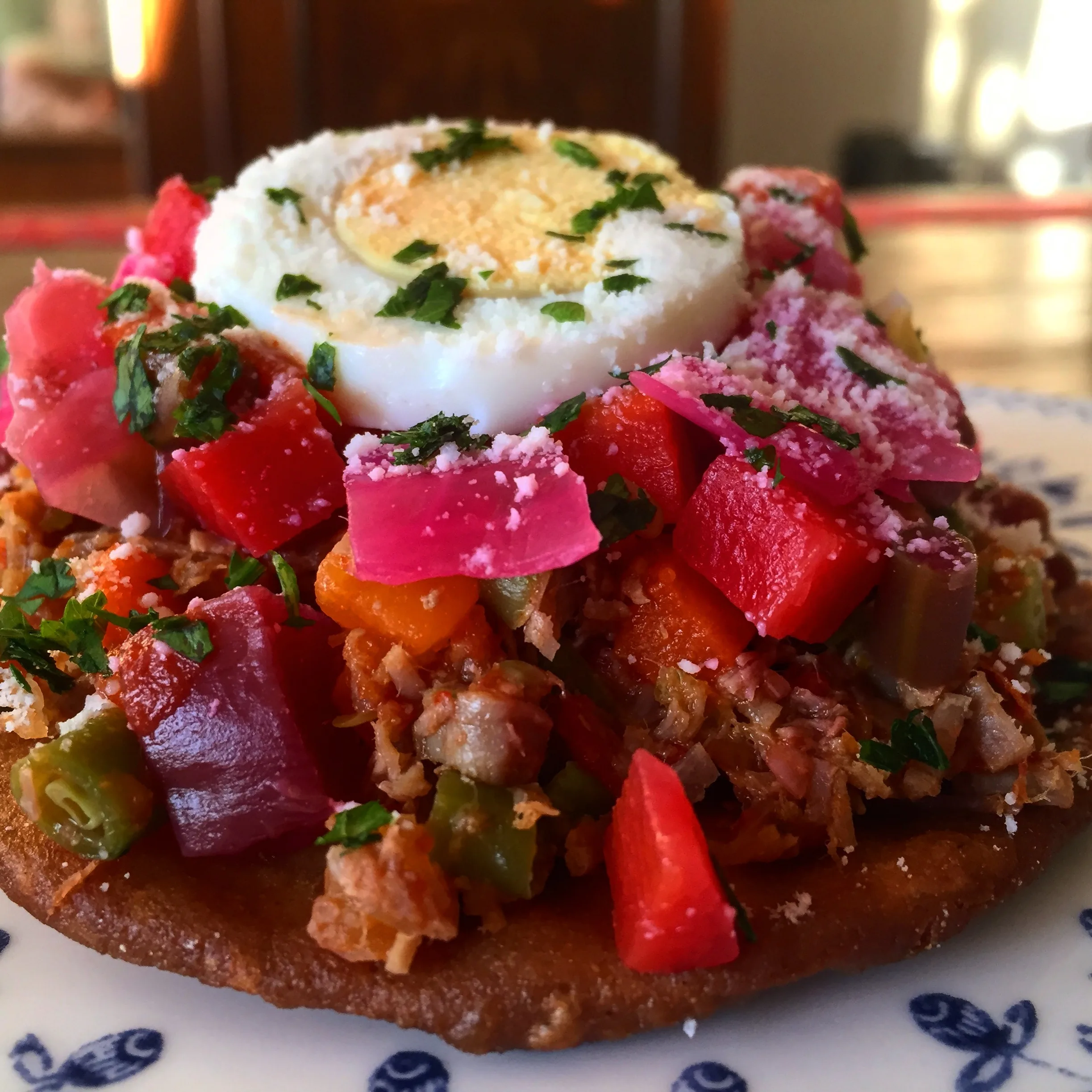
Enchiladas guatemaltecas are open-faced tostadas, not the rolled enchiladas of Mexico. A Guatemalan cook builds each one by layering escabeche — long-pickled beets, carrots, green beans, chayote, and cauliflower in a vinegar brine — alongside seasoned ground beef, a spoon of tomato sauce, a slice of hard-boiled egg, dry crumbled queso seco, parsley, and raw onion on a crisp fried tortilla. The beet-purple color and the egg slice are the unmistakable marks.
The first time someone hands you an enchilada in Guatemala City, you wait for the fold. It never comes. What arrives is flat and stacked and bright purple at the edges, a whole little architecture balanced on one crisp tortilla, and you eat it with both hands over a plate because the moment you lift it, everything wants to slide. I have made these for people who grew up on Mexican enchiladas, and the first bite always lands the same way: a pause, then a recalculation. Same name. Different dish entirely.
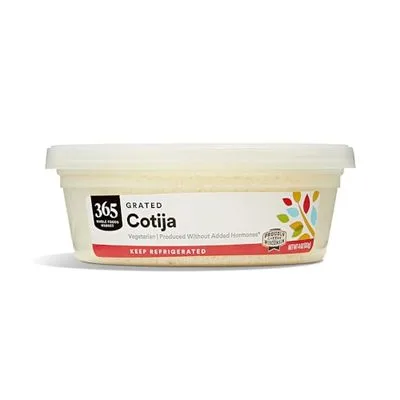
365 by Whole Foods Market Cotija Cheese, 4 OZ
The dry, salty crumbling cheese these dishes finish with, standing in for Central American queso duro.
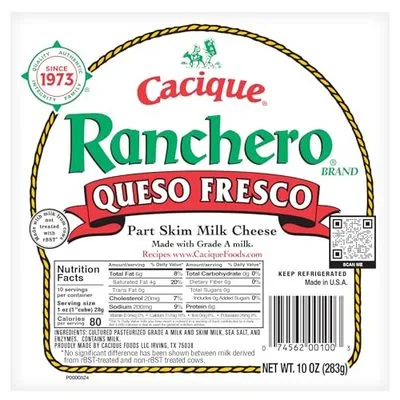
Cacique Queso Fresco Ranchero, 10 oz
A fresh crumbling queso fresco in 10 oz size, ready to sprinkle on cooked dishes or incorporate into recipes without shredding.
Same name. Different dish entirely.
What makes a Guatemalan enchilada different from a Mexican one?
A Guatemalan enchilada is a tostada, not a rolled tortilla. That is the whole difference, and it changes everything. A Mexican enchilada is a soft tortilla rolled around a filling and bathed in chile sauce until it goes tender. A Guatemalan one stays crisp and open, and you build up rather than wrap around. If you want to see how far the same word travels across one region, compare it to the Belizean enchilada, which is its own thing again.
The signature is the escabeche: beets, carrots, green beans, chayote, and cauliflower cooked and then pickled in a seasoned vinegar brine for at least 24 hours. The beets bleed color through everything, turning the whole mix a deep purple-red. That color is not accidental. It is the visual fingerprint of the dish. On top of the escabeche goes a slice of hard-boiled egg, then dry grated cheese, parsley, and raw onion. Guatemalans sometimes call these jardineras, garden planters, for the load of vegetables they carry. The dish is colonial mestizo in origin, built on a Maya corn-tortilla base with beef and European-style pickled vegetables that arrived after the conquest. It is not a spicy dish. The heat, if you want it, comes from a chile sauce added at the table.
The beets bleed color through the whole escabeche, turning it a deep purple-red. That color is the fingerprint of the dish.
This is where Guatemala’s tostada family separates cleanly into three. A garnacha is small and thick-shelled, topped with a quick-pickled cabbage curtido and ground beef. A tostada guatemalteca is full-size but each one gets only a single topping: guacamole, or refried black beans, or salsa, presented as a set. The enchilada guatemalteca is the elaborated one: full-size, the long-pickled escabeche going in as a proper layer, the egg slice on top as the final garnish. If you see a beet-purple vegetable layer and a hard-boiled egg slice, you are looking at an enchilada. Not a garnacha, not a tostada.
Our guide to Guatemalan fried-tortilla snacks walks through all three so you can tell them apart on sight.
The escabeche also marks where Guatemala parts ways with its neighbors. The Salvadoran curtido is a quick-pickled raw cabbage relish, sharp and pale, served alongside dishes as a condiment. The Guatemalan escabeche is cooked, beet-led, and deeper in flavor from the longer pickling time. It is spooned on as a structured topping, not a side.
Ingredients
This makes about 12 enchiladas. Build them to order. The components keep well separately, but assembled they go soft fast.
For the escabeche (the pickled vegetable layer)
- 2 medium beets (remolacha), peeled and diced small
- 2 medium carrots (zanahoria), peeled and diced small
- 1 cup green beans (ejotes), trimmed and cut into small pieces
- 1 small chayote (güisquil), peeled, seeded, and diced small
- 1 cup cauliflower, cut into very small florets
- 1/2 small white onion, finely sliced
- 1/3 cup white vinegar
- 1 teaspoon dried oregano
- 1 teaspoon salt, plus more to taste
For the picadillo (seasoned ground beef)
- 1 pound ground beef
- 1 tablespoon oil
- 1 small white onion, finely chopped
- 3 garlic cloves, minced
- 1 small tomato, chopped
- 1 teaspoon salt
- 1/2 teaspoon black pepper
- 1/2 teaspoon dried thyme
- 1/2 teaspoon dried oregano
For the recado de tomate (tomato sauce)
- 4 ripe Roma tomatoes
- 1/4 small white onion
- 1 garlic clove
- 1/2 teaspoon salt
- 1 tablespoon oil, for frying the blended sauce
To assemble
- 12 corn tostadas (crisp fried or oven-toasted corn tortillas)
- shredded lettuce
- 3 hard-boiled eggs, sliced
- 1/2 cup crumbled queso seco (dry aged cheese; Cotija is the closest substitute outside Central America)
- 1/2 small white onion, thinly sliced into rings
- 1/4 cup chopped fresh parsley
Instructions
- Make the escabeche first — it needs time. Boil the diced beets, carrots, green beans, chayote, and cauliflower in salted water until just tender, about 20 minutes. Drain. While still warm, toss with the sliced onion, vinegar, oregano, and salt. Let the escabeche cool, then cover and refrigerate for at least 24 hours. The beets will bleed purple through everything. That color is correct, not a mistake.
- Cook the picadillo. Heat the oil in a skillet over medium heat. Soften the onion and garlic, then add the ground beef and break it up as it browns. Season with salt, pepper, thyme, and oregano. Stir in the chopped tomato and cook until the meat is browned and the mixture is dry, about 12 to 15 minutes.
- Make the recado de tomate. Blend the tomatoes, onion, garlic, and salt until smooth. Fry the blend in a tablespoon of oil over medium heat for 5 to 7 minutes, until it darkens and thickens slightly. Set aside.
- Prepare the tostadas. If starting from soft tortillas, fry them in shallow oil or bake at 400 degrees Fahrenheit until rigid and fully crisp. They must hold the weight of the toppings without flexing.
- Boil and slice the eggs. Three eggs, each sliced into four rounds.
- Build each enchilada in this order: tostada, a small amount of shredded lettuce, a heaping spoon of escabeche (2 to 3 tablespoons), a spoon of picadillo (about 2 tablespoons), a spoon of tomato sauce, one slice of hard-boiled egg, crumbled queso seco, parsley, and a few rings of raw onion.
- Serve right away, while the tostada is still crisp. Enchiladas guatemaltecas are eaten the moment they are built. The tostada softens quickly once the toppings go on.
Tips for getting the escabeche and tostada right
- Start the escabeche the day before. The 24-hour pickle is not optional — it is what separates the escabeche on a proper enchilada guatemalteca from a quick-pickled curtido. The vegetables need time for the vinegar to work through and for the beet color to bleed evenly. Same-day escabeche is noticeably flatter.
- Keep the tostada dry until the last second. Assemble to order. A tostada that sits under wet escabeche and sauce goes soft, and then the whole stack collapses when you pick it up.
- On the cheese: real queso seco is hard to find north of Central America. Cotija gives you the right dry, salty crumble. Avoid queso fresco. It is too soft and wet and it disappears into the toppings.
- Chicken works in place of beef for a lighter version. Shred it and season it the same way you would the picadillo.
Frequently Asked Questions
What is a Guatemalan enchilada?
A Guatemalan enchilada is an open-faced tostada, not a rolled tortilla. You start with a crisp fried corn tortilla and build upward: a lettuce leaf, then escabeche (long-pickled beets, carrots, green beans, chayote, and cauliflower in a vinegar brine), then seasoned ground beef, a spoon of tomato sauce, a slice of hard-boiled egg, crumbled queso seco, parsley, and raw onion. It is sometimes called a jardinera for the load of vegetables it carries. Particularly associated with Guatemala City and Antigua.
How are enchiladas guatemaltecas different from Mexican enchiladas?
They share a name and almost nothing else. A Mexican enchilada is a soft tortilla rolled around a filling and covered in chile sauce. A Guatemalan enchilada is flat and open, a crisp tostada you stack toppings onto. The beet escabeche and the hard-boiled egg slice are the Guatemalan markers. The tortilla stays crisp rather than going tender under sauce.
What is the escabeche on a Guatemalan enchilada made of?
The escabeche is a cooked-and-pickled vegetable mix of beets, carrots, green beans, chayote, and cauliflower, dressed with vinegar, onion, and oregano and left to pickle for at least 24 hours. The beets turn the whole mix a deep purple-red, which is the color you see on every proper Guatemalan enchilada. It is spooned on as a structured layer, not served on the side. Do not confuse it with Salvadoran curtido — that is a raw quick-pickled cabbage relish, a completely different preparation.
How is an enchilada guatemalteca different from a garnacha?
The garnacha is small and thick, with a quick-pickled cabbage-and-carrot curtido as its main vegetable component. The enchilada guatemalteca is full-size, with a long-marinated beet escabeche as the base layer and a hard-boiled egg slice on top. Different size, different vegetable preparation, different assembly. The beet escabeche and the egg are the enchilada’s signatures.
Are Guatemalan enchiladas spicy?
Not on their own. The dish is savory with a slight sweetness from the beets, not hot. Heat comes from a chile sauce added at the table, so each person sets their own level. If you are serving these to a mixed crowd, keep the chile sauce separate.
What cheese is used on enchiladas guatemaltecas?
Traditionally queso seco, a dry aged cheese crumbled over the top. Outside Central America, Cotija is the closest substitute. You want a dry, salty crumble that holds its shape. Avoid queso fresco — it is too soft and wet for this.
Can I make the escabeche ahead of time?
Yes, and you should. The escabeche needs at least 24 hours in the fridge for the vinegar to work through the vegetables and for the beet color to bleed evenly. Make it the day before. Keep the assembled components separate and build each enchilada to order at serving time, since the tostada softens quickly once the toppings go on.